Post by : Mariam
Al-Faris
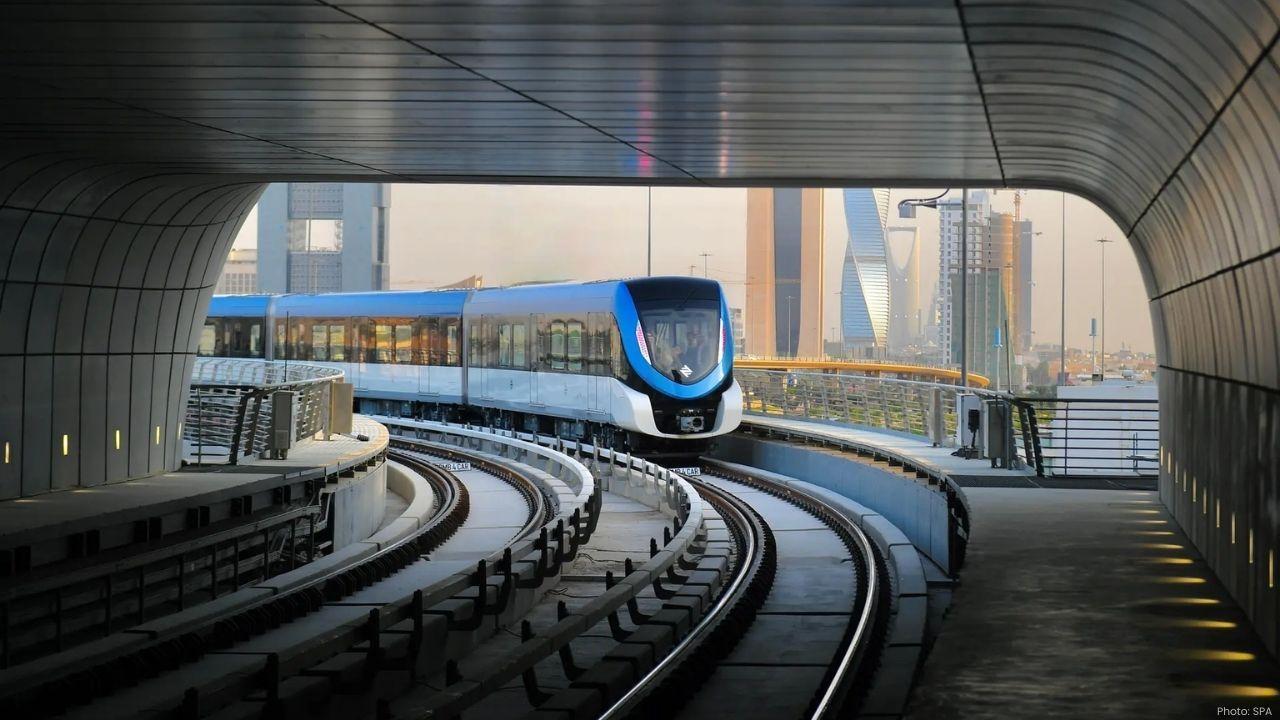
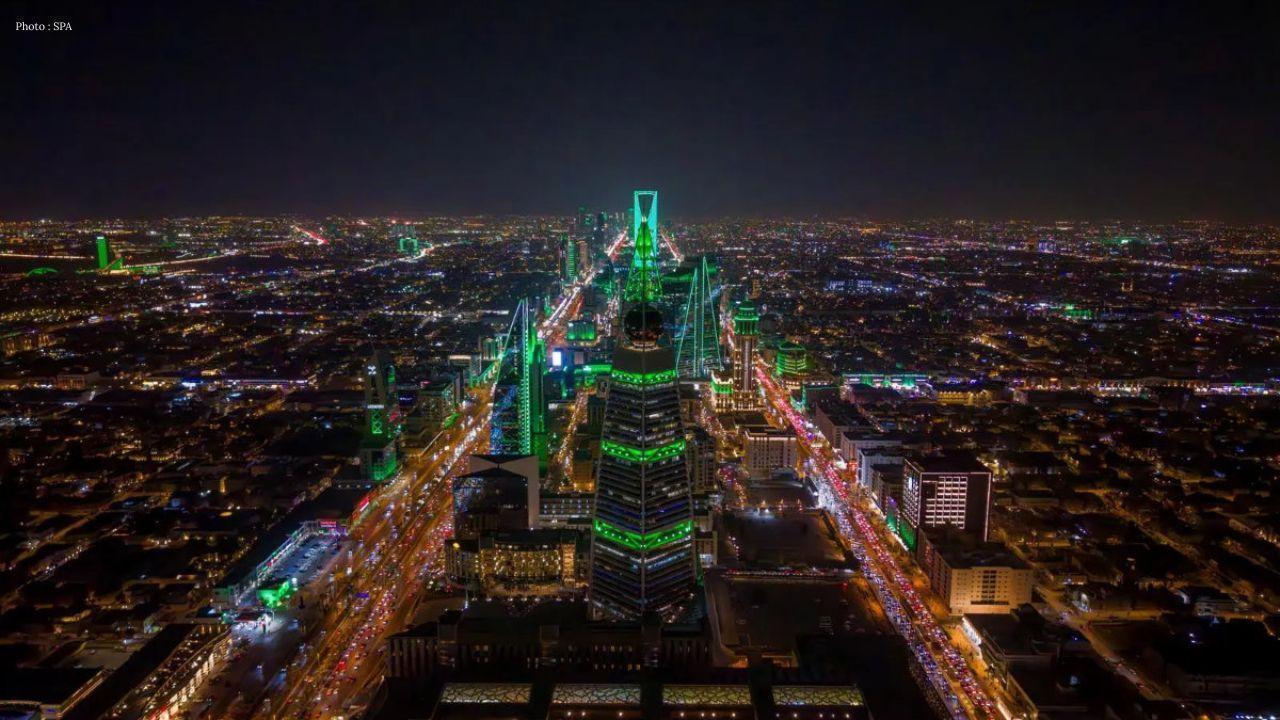
The Riyadh Metro has quickly become one of the most important projects in Saudi Arabia’s capital city. Managed by the Royal Commission for Riyadh City (RCRC), the metro system celebrated a huge achievement when it welcomed its 100 millionth passenger in less than nine months after opening. The network started operations in December 2024, and its rapid growth shows the importance of modern public transport in a busy and expanding city like Riyadh.
A Milestone Achievement
Reaching 100 million passengers in under a year is a record that highlights the success of the metro project. Few public transport systems in the world achieve such a high number in such a short time. This milestone proves that the people of Riyadh, as well as visitors, trust and rely on the metro system as their preferred way of moving around the city.
Performance Of Different Metro Lines
The Riyadh Metro is made up of six lines, each serving different parts of the city. Among them, the Blue Line has been the busiest, carrying around 46.5 million passengers. This line runs along the Olaya-Batha axis, which is a central and highly populated route. The Red Line, which covers King Abdullah Road, has served about 17 million passengers, while the Orange Line along Al Madinah Al Munawwarah Road carried around 12 million. The other three lines together transported about 24.5 million passengers. These numbers clearly show that the metro system is being used widely across the city.
High On-Time Performance
One of the most impressive aspects of the Riyadh Metro is its punctuality. Since it started operating, the system has maintained a 99.78% on-time performance rate. This means that almost every train arrives and departs exactly as scheduled. For commuters, reliability is one of the most important factors in choosing public transport, and this high performance shows how well the metro is being managed.
The Busiest Metro Stations
Several metro stations stand out as the busiest in the network. Stations such as Qasr Al Hokm, King Abdullah Financial District (KAFD), stc station, and the National Museum interchange account for nearly 29% of the total ridership. These stations are not just busy because of their locations, but also because they connect different metro lines and provide easy access to important areas of the city, including government buildings, cultural centers, and business hubs.
Integration With Bus Networks
The success of the Riyadh Metro is not only because of the trains themselves but also because it is part of a larger transport system. The metro is fully connected with an extensive bus network across Riyadh. This includes regular buses, on-demand bus services, and parking areas for commuters. This integration makes it easy for people to leave their homes, reach a bus or parking lot, and then smoothly transfer to the metro for the rest of their journey.
Easy Travel For Everyone
The integrated system ensures that residents and visitors alike have many transport options. For daily commuters, the metro reduces the stress of traffic and long travel times. For visitors to Riyadh, the metro provides a simple way to move around and explore the city. With stations near major cultural landmarks, offices, and shopping areas, the system makes travel more convenient for everyone.
Encouraging Public Transport Use
One of the main goals of building the Riyadh Metro was to encourage people to use public transport instead of relying only on private cars. Saudi Arabia, like many countries in the region, has a history of heavy dependence on cars. The metro is helping change this habit by offering a fast, clean, and reliable alternative. As more people use the metro, traffic congestion in Riyadh can decrease, and the overall quality of urban life can improve.
A Sustainable Urban Choice
Public transport systems like the Riyadh Metro also play an important role in sustainability. By reducing the number of private cars on the road, the metro helps lower pollution and energy use. This fits with Saudi Arabia’s wider goals to build greener cities and promote environmental protection as part of Vision 2030. The metro is not just a convenient option but also an eco-friendly solution for the city’s growing population.
Impact On Daily Life
For many families and workers, the metro has already become a part of daily life. Students use it to reach schools and universities, professionals take it to their offices, and families use it for leisure trips around the city. The affordability and efficiency of the service make it a practical choice for people from different backgrounds.
Boost To Riyadh’s Economy
The Riyadh Metro also brings economic benefits. Easy and reliable transport helps businesses by making it simpler for employees and customers to travel. Areas near busy metro stations often see growth in shops, cafes, and services, as more people pass through these places every day. In this way, the metro supports both the economy and the cultural life of Riyadh.
Part Of Saudi Vision 2030
The Riyadh Metro is closely linked to Saudi Arabia’s Vision 2030 plan. This vision focuses on diversifying the economy, improving quality of life, and building modern infrastructure. By providing a world-class public transport system, the metro directly contributes to these goals. It shows the Kingdom’s commitment to building smart, modern, and livable cities for its citizens.
Comfort And Modern Features
The metro system is built with modern features to make travel comfortable. Stations are clean and well-designed, trains are air-conditioned, and services are easy to use. Signage and instructions are provided in both Arabic and English, making the system friendly for both locals and international visitors. Accessibility features ensure that people with disabilities can also travel smoothly.
Looking Toward The Future
As the metro continues to grow in popularity, it will likely play an even bigger role in Riyadh’s development. More people are expected to switch from cars to the metro as they see the benefits of faster, cheaper, and more reliable travel. In the future, the network may also expand further or add new services to meet the city’s growing needs.
A Modern Transport Success
The Riyadh Metro is a great success story for Saudi Arabia. Reaching 100 million passengers in just nine months proves how important the system has become for residents and visitors. With its punctual performance, integrated bus services, modern design, and sustainability benefits, the metro is much more than just a transport project. It is a key part of Riyadh’s transformation into a modern, connected, and environmentally friendly city. The Riyadh Metro stands as a shining example of how public transport can improve everyday life and support the country’s future vision.


 English