Post by : Shakul
Amidst the ongoing turmoil, thousands of Palestinian families are enduring dire circumstances in Gaza's tent camps due to a severe deficiency of sanitation facilities. The continued degradation of the area’s infrastructure has forced families to improvise solutions, leading to significant health concerns.
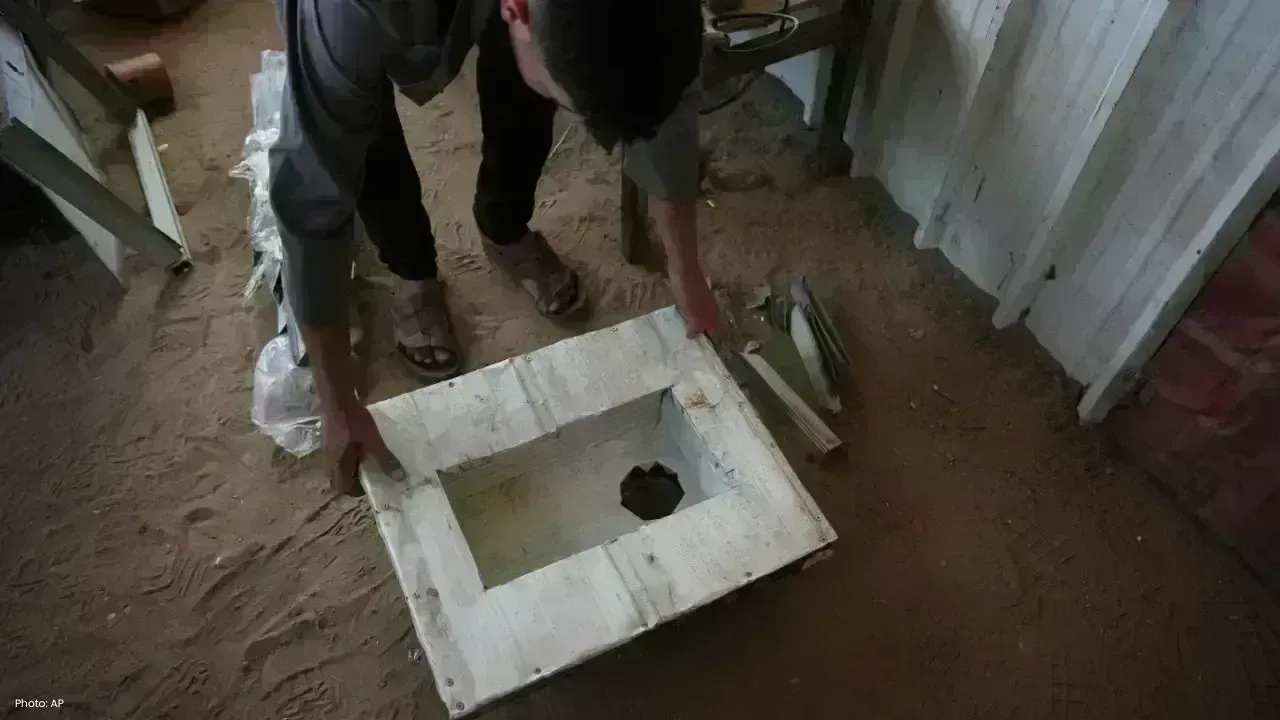
In places like Khan Younis, residents are compelled to dig shallow pits, fashioning makeshift toilets from buckets and scrap materials. These rudimentary facilities are alarmingly close to living and cooking spaces, subjecting families to unpleasant odors and a host of health risks.
Many camp residents express a preference for creating private makeshift toilets despite the hurdles they face, as communal restrooms frequently lack privacy and are often overcrowded. The situation is particularly troubling for women and children at night, when accessing shared toilets becomes precarious. Long waiting times and poor hygiene have become part of daily life for those in the camps.
The sanitation crisis has been exacerbated by extensive damage to Gaza's sewage systems. Numerous sewage pumping stations and wastewater facilities are reported as either destroyed or in critical disrepair, resulting in the buildup of untreated sewage in residential areas. Contaminated water has become a common sight, endangering the health of the camp residents.
While humanitarian agencies strive to ameliorate the sanitation crisis by offering limited assistance for household latrines and hygiene facilities, resource limitations and reconstruction restrictions hamper these efforts. Consequently, many families are left to rely on their rudimentary sanitation solutions, which are woefully inadequate.
The financial pressure of constructing even a basic toilet is considerable for families already grappling with economic challenges. Essential materials such as pipes and cement are often prohibitively expensive and scarce. Thus, many residents resort to unsafe alternatives that expose them to health hazards.
Aid workers have raised alarms about the critical public health risks associated with the sanitation crisis, particularly affecting vulnerable populations like children, expectant mothers, and the elderly. With rising summer temperatures and cramped living conditions, calls for heightened support to enhance water, sanitation, and hygiene services in Gaza's displacement camps are becoming increasingly urgent.


 English