Post by : Mariam
Al-Faris
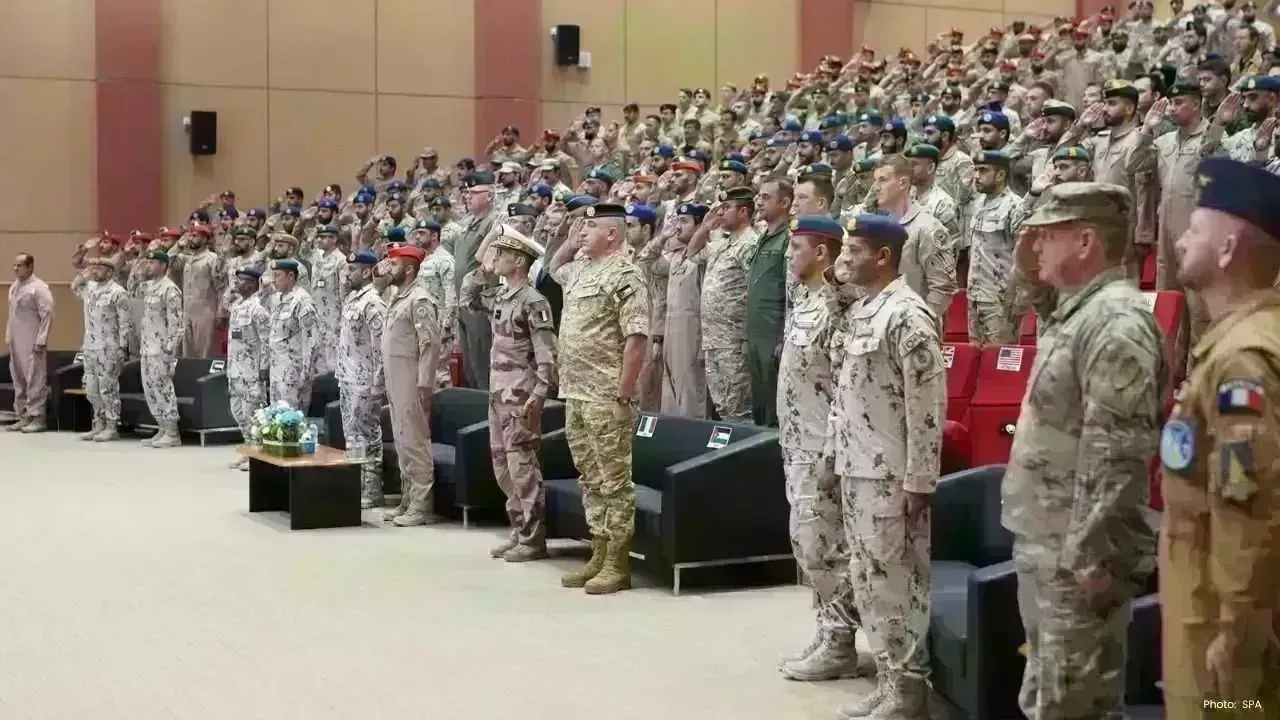
The “ATLC-35 Air and Missile Warfare Center Exercise” has concluded successfully in the United Arab Emirates, uniting the Royal Saudi Air Force (RSAF) and several allied nations. This significant military exercise aimed to reinforce collaboration, share strategic knowledge, and boost combat preparedness among the participating forces.
RSAF showcased its Tornado aircraft, engaging in a variety of training maneuvers, which encompassed defensive and offensive air operations, close air support, combat search-and-rescue, night flying, tactical airdrops, and air-to-air refueling. These activities were designed to enhance pilots' and aircrew's skills and confidence while addressing diverse and challenging scenarios. Realistic training environments equipped them for proficient responses in authentic combat situations.
Lt. Col. Pilot Hamad bin Hashim Al-Harbi, leading the Saudi contingent, affirmed that all objectives were achieved during the exercise. He emphasized the benefits of exchanging essential military expertise among the allied forces while noting that the event significantly bolstered readiness and performance in near-realistic combat scenarios. Such exercises are crucial for fostering military collaboration and ensuring preparedness for future challenges.
Additionally, he pointed out that the initiative improved the proficiency of pilots and ground crews through meticulously planned training sessions aimed at enhancing accuracy, rapid response, and teamwork. Lt. Col. Al-Harbi remarked that the exercise's success reflects the Royal Saudi Air Force's high standards and the solid standing of Saudi armed forces regionally and globally.
Joint activities during the training required various air forces to strategize and execute operations collaboratively. This showcased the impressive level of synergy amongst the nations, demonstrating clear communication, mutual understanding of strategies, and seamless operation as an integrated unit. Such cooperation is critical in modern combat, where joint air operations are vital to mission success.
The “ATLC-35 Air and Missile Warfare Center Exercise” is a component of a long-term series of joint military drills designed to share expertise and develop comprehensive aerial strategies. These exercises ensure that nations are aligned with the latest tactical advancements and technological evolutions, while also fortifying military alliances vital for maintaining regional stability and security.
The nations participating in these drills strive to enhance operational synchronization and readiness, enabling better emergency responses, seamless execution of joint commands, and shared interests protection. Moreover, the exercise supports ongoing efforts to elevate military collaboration, refine aerial tactics, and uphold peace through robust defense capabilities.
Wrapping up the ATLC-35 exercise signifies a positive milestone in fostering international air force cooperation. It reflects the dedication of all involved countries to collaboratively enhance their aerial capabilities while paving the way for a safer tomorrow through advanced training and strategic partnerships.


 English