Post by : Mariam
Al-Faris
On Sunday, August 10, a strong earthquake measuring 6.2 on the Richter scale struck western Turkey. The German Research Centre for Geosciences (GFZ) reported the quake, while Reuters confirmed that it caused one death and left 29 people injured. At least 16 buildings suffered damage due to the tremor. The earthquake caused fear and panic among residents, especially because Turkey is known for its history of devastating quakes.
Location and Timing of the Earthquake
The Turkish disaster management agency, AFAD, said the quake struck at around 7:53 pm local time in Balikesir province. This area is not far from Istanbul, the country’s largest city. AFAD measured the depth of the tremor at 11 kilometres (6.8 miles). The GFZ recorded a similar magnitude of 6.19 and a depth of 10 kilometres. The location and depth of the quake meant that it was strong enough to be felt in several surrounding provinces.
Immediate Aftershock Recorded
A few minutes after the main quake, AFAD reported an aftershock with a magnitude of 4.6. While it was smaller than the first tremor, it added to the fear of residents and posed a risk to already weakened structures. People in the affected regions were worried about further aftershocks, which are common after major earthquakes.
Emergency Teams Sent to Affected Areas
Interior Minister Ali Yerlikaya posted on X (formerly Twitter) that emergency teams from AFAD had been deployed to Istanbul and neighbouring provinces to inspect damage. These teams began checking buildings for structural safety and helping injured people. At first, AFAD said there were no negative reports about casualties or damage, but later updates confirmed the loss of life, injuries, and damage to property.
Damage in Balikesir Province
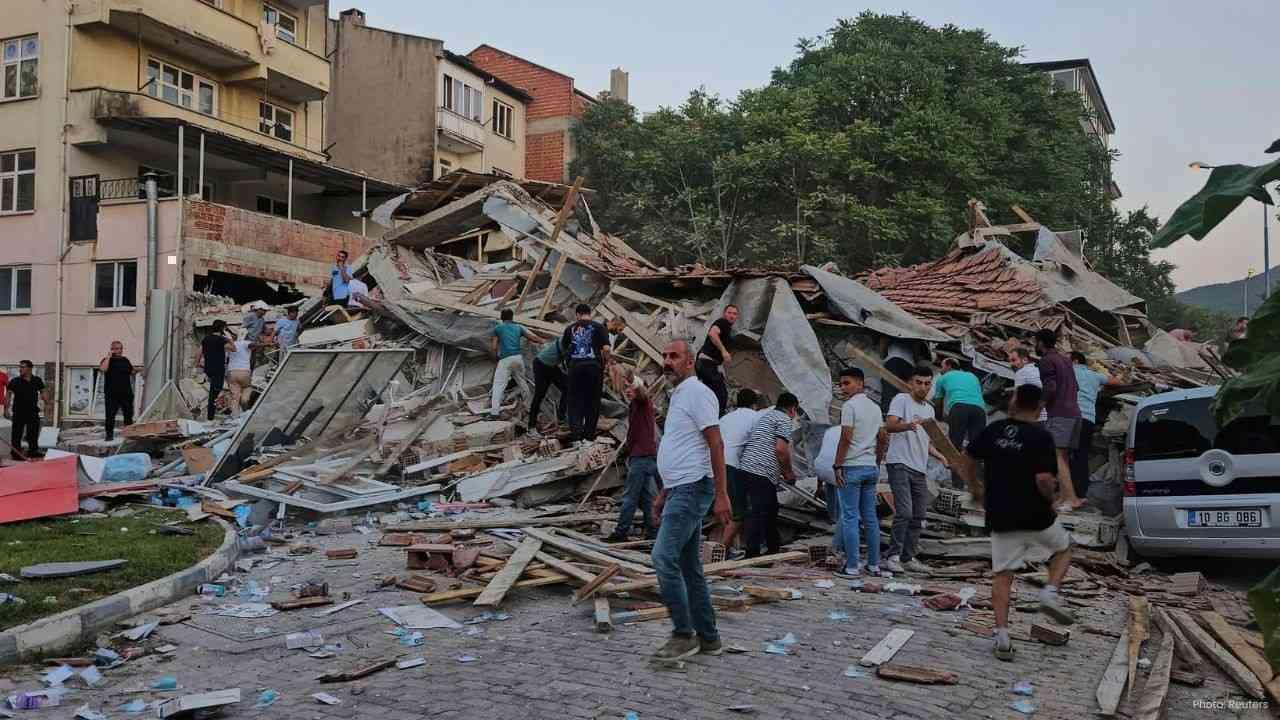
Several buildings in Balikesir province collapsed due to the force of the quake. Turkish media broadcast images showing debris on the streets and emergency workers assisting residents. The damage varied from cracked walls to complete building collapses, and rescue teams worked to ensure that no one was trapped inside the rubble. Many residents spent the night outside in fear of more tremors.
Areas That Felt the Quake
The earthquake was felt across many cities in western Turkey. Residents in Istanbul reported feeling their homes shake, while people in Izmir, a popular tourist city, also experienced the tremor. Reports indicate that the quake’s vibrations reached other provinces as well, making it a widely felt event.
Past Earthquake Disasters in Turkey
The recent quake brought back painful memories of the deadly earthquake that hit Turkey in February 2023. That disaster measured 7.8 in magnitude and struck the southeastern part of the country. It claimed tens of thousands of lives, injured many more, and caused massive destruction across multiple provinces. Aftershocks following the 2023 quake worsened the damage and made rescue operations even harder. It was one of the deadliest natural disasters in modern Turkish history and required large-scale emergency responses and international aid.
Turkey’s Risk of Earthquakes
Turkey lies on several active fault lines, making it one of the world’s most earthquake-prone countries. Because of this, experts often warn residents to be prepared for sudden seismic activity. The government and agencies like AFAD have systems in place to respond quickly to such disasters, but the risk remains high due to the country’s geography.
Importance of Preparedness
The quake in Balikesir highlights the importance of earthquake preparedness for both individuals and authorities. Residents are encouraged to know safe spots in their homes, prepare emergency kits, and follow safety advice during tremors. The government continues to strengthen building regulations to ensure that structures can withstand strong quakes. However, older buildings remain vulnerable, as shown by the damage caused in this latest incident.
International Concern and Solidarity
While the August 10 quake was not as deadly as the 2023 disaster, it still drew attention from the global community. Natural disasters in Turkey often prompt offers of help from other nations. The quick sharing of information by AFAD and GFZ allows both local and international aid groups to respond if needed.
AFAD’s Role in Disaster Management
AFAD plays a central role in disaster preparedness and response in Turkey. In events like this, they quickly assess damage, send emergency teams, coordinate medical assistance, and provide temporary shelter for those displaced. They also monitor aftershocks and share safety advice with the public. Their swift action in Balikesir and nearby provinces helped reduce the risk of further casualties.
Lessons from the Balikesir Quake
This latest earthquake serves as another reminder that seismic events can strike without warning. While Turkey has improved its emergency response systems over the years, building safety and public awareness remain critical. The combination of past experiences, such as the 2023 quake, and ongoing seismic activity shows that constant vigilance is necessary to protect lives and property.
Staying Alert in a Seismic Zone
The 6.2-magnitude earthquake in western Turkey on August 10 caused one death, injured 29 people, and damaged multiple buildings. It was felt in Istanbul, Izmir, and other cities, shaking communities and reviving memories of past disasters. With the country’s position on active fault lines, the need for preparedness and strong infrastructure is more important than ever. While the response by AFAD and emergency teams was swift, the event is a sobering reminder that nature’s power can change lives in seconds.


 English