Post by : Saif
Al-Najjar
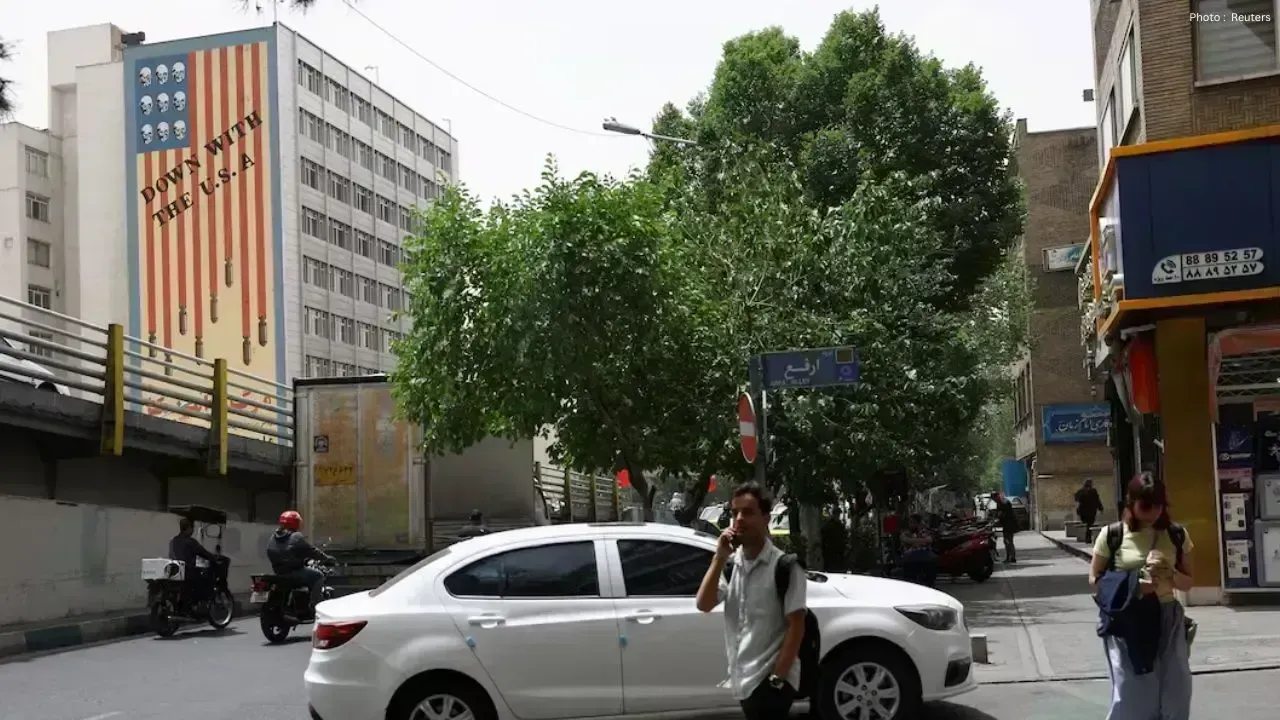
Tehran is currently evaluating the latest response from the United States amid ongoing diplomatic interactions. Recent remarks from former US President Donald Trump suggested that he is prepared to wait regarding negotiations with Iran.
This development indicates that communication lines between Tehran and Washington are still open, even in the face of continued tensions surrounding critical political and security matters. Iranian officials confirmed that they are thoroughly reviewing the latest communication from the US before formulating any formal conclusions or public statements.
The Iranian government’s cautious approach during these sensitive discussions is noteworthy. Officials have stated that their process of reviewing the US message is still underway, ensuring a meticulous examination of all elements involved.
The relationship between Iran and the United States has historically been fraught with challenges, characterized by disagreements over nuclear initiatives, economic sanctions, and military engagements throughout the Middle East. Thus, even minor diplomatic exchanges attract significant global interest.
The phrase “Tehran considers US response” has emerged as a significant focal point in international political discourse. Experts speculate that these exchanges may directly relate to broader discussions regarding sanctions, regional security, or nuclear negotiations.
Moreover, Trump’s assertion that he “can wait” introduces another layer to the situation, implying that the United States is not in haste to reach immediate agreements, but rather, is willing to adopt a patient stance as it awaits Tehran's forthcoming reaction.
This perspective underscores Iran’s continued relevance in U.S. foreign policy. The longstanding relationship between the two nations has crucial implications for global political dynamics, security, and energy markets.
While Iranian officials have kept the specific details of the recent US communication confidential, they have emphasized the need for a thorough examination of its content. Tehran has consistently favored a methodical approach in diplomatic engagements, especially with major global powers.
Experts suggest that this deliberate review process serves to mitigate potential misunderstandings and safeguard national interests. In the realm of international diplomacy, precision in language is vital, leading entities to take their time before issuing official responses.
As interactions between Tehran and Washington continue, they unfold against a backdrop of uncertainty in the Middle East, where regional conflicts, economic challenges, and security issues profoundly impact international relations.
For many analysts, the ongoing dialogue between Iran and the United States holds intrinsic significance. Even amidst high tensions, diplomatic conversations play a crucial role in risk reduction and preventing further escalation.
The phrase “Iran US response” is becoming increasingly relevant, reflecting the current level of diplomatic engagement between both nations. While no agreement appears imminent, the review process indicates that discussions are actively ongoing.
This situation also has implications for global markets and international security frameworks. Any significant developments in Iran-US relations could impact oil prices, trade dynamics, regional stability, and global diplomatic initiatives.
In Tehran, officials are being measured in their public discourse, refraining from making bold pronouncements until their review of the latest US response is complete. This judicious approach signifies the weight of the discussions at hand.
Meanwhile, Washington is likely closely monitoring Tehran’s reactions, which may inform its subsequent diplomatic actions in the coming days or weeks.
The Iran-U.S. relationship remains one of the most scrutinized diplomatic issues in global affairs. Each new exchange, statement, or reaction holds the potential to sway the course of upcoming negotiations.
In conclusion, the latest updates illustrate that while tensions persist, diplomatic efforts between Tehran and Washington are evolving slowly, with future developments hinting at either a pathway toward further discussions or a continuation of current tensions.


 English