Post by : Shakul
In a groundbreaking development for disaster response, Thailand's government has effectively utilized cutting-edge satellite technology to monitor and extinguish a wildfire in a secluded region of Chiang Mai. This initiative underscores the role of real-time surveillance in transforming emergency response, especially in hard-to-reach locations.
Under the leadership of Prime Minister Anutin Charnvirakul, the government has reinforced its wildfire response capabilities by integrating innovative tools such as satellite-based hotspot detection. This enables authorities to catch fire incidents early and orchestrate swift interventions on-site, thereby significantly diminuting the risk of widespread damage.
The incident took place in Sri Lanna National Park, situated in the Mae Taeng district, where fire hotspots were identified using the VIIRS system aboard the Suomi NPP satellite. An alert was issued in the early morning, prompting an immediate response from the Department of National Parks, Wildlife and Plant Conservation.
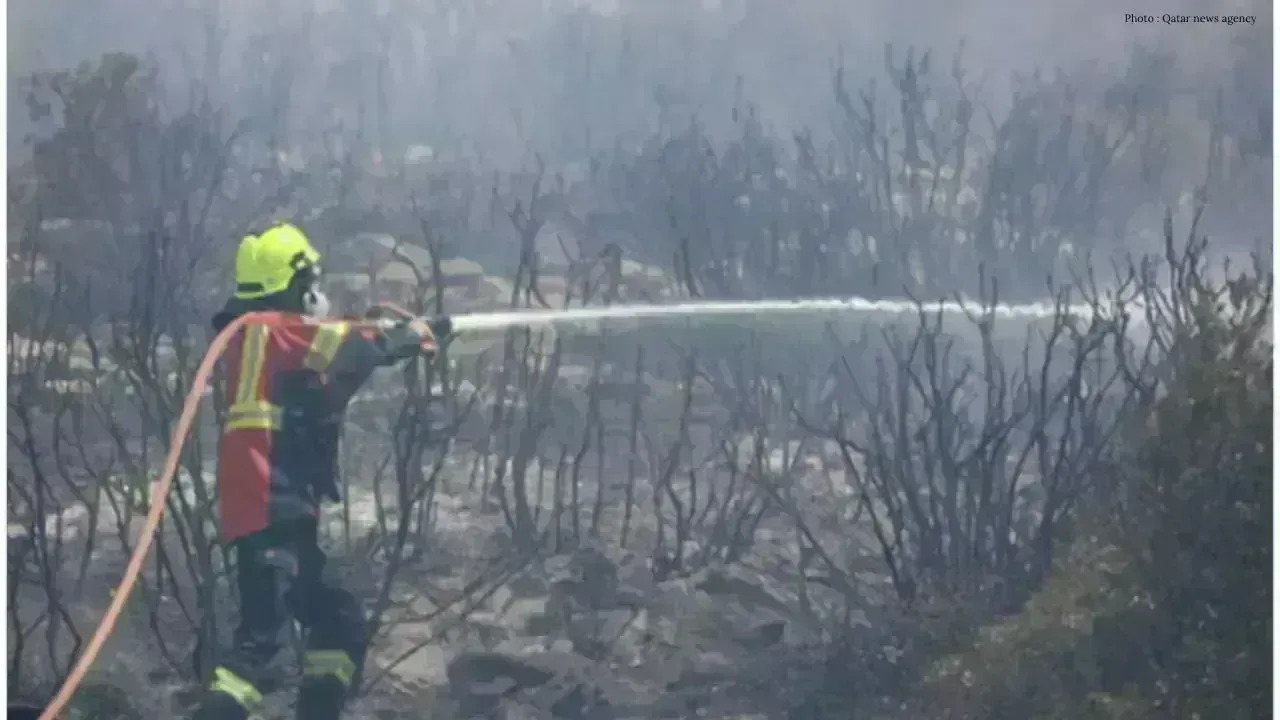
Although detection was prompt, challenges arose due to the fire's placement deep within a thick forest area. Officials had to meticulously devise their approach and navigate through rugged terrain for several hours before they could reach the impacted zone. Firefighting efforts commenced in the afternoon and were concluded successfully within a few hours, averting further spread into adjacent forest areas.
Authorities noted that around 70 rai of greenery, primarily dry dipterocarp and mixed deciduous forest, experienced damage from the blaze. A concerted endeavor involving 24 personnel from various divisions, including park rangers and surveillance teams, was pivotal in regaining control during the arduous circumstances.
According to government spokesperson Ms. Lalida, the application of satellite technology allows officials to "detect early, respond swiftly, and manage effectively," which is particularly vital for remote regions where conventional monitoring techniques may not suffice. This technological edge not only quickens response times but also reduces ecological harm and maximizes the effectiveness of firefighting operations.
Initial assessments indicate that human activity likely sparked the wildfire, with individuals entering the forest to gather resources. In light of this, the government has instructed all relevant agencies to bolster monitoring, rigorously enforce regulations, and educate local communities about the hazards associated with such activities.
The implementation of advanced detection systems is also part of a wider strategy to mitigate air pollution, particularly concerning the ongoing PM2.5 crisis impacting public health in the region. By curbing major wildfires, authorities aim to lessen harmful emissions and safeguard both the environment and community health.
Officials have urged the public to refrain from any open burning and to engage in efforts to identify and report potential fire hazards. The belief is that merging modern technology with community awareness and stringent enforcement will be vital in formulating long-term strategies for wildfire prevention and environmental safeguarding.


 English