Post by : Sami
Al-Rahmani
The Transformation of Modern Filmmaking Through Real-Time CGI
Real-time CGI represents a significant leap in filmmaking technology, allowing for the rapid generation of complex digital elements. Filmmakers can now create and visualize intricate environments, characters, and effects without the lengthy waits associated with traditional rendering techniques. This advancement is reinventing processes ranging from pre-production to final edits. By adopting widely-used engines such as Unreal Engine and Unity, directors enjoy enhanced creative liberties, production costs are slashed, and studios produce visually impressive outcomes in significantly less time. This article delves into the impact of real-time CGI on the current filmmaking landscape, the remaining challenges, and its potential to dictate cinema's future over the next decade.
Real-Time Rendering: A Game Changer
Historically, CGI demanded prolonged rendering intervals. Creators typically crafted scenes and endured long waits for completion. The advent of real-time technology eliminates these delays, enabling instant visual feedback and on-the-fly adjustments.
Importance for Filmmakers
This transformation accelerates decision-making processes, minimizes uncertainty, and facilitates instant corrections.
Directors can visualize the final look of a scene as they film, removing the guesswork of post-production.
Virtual Production: A Revolutionary Approach
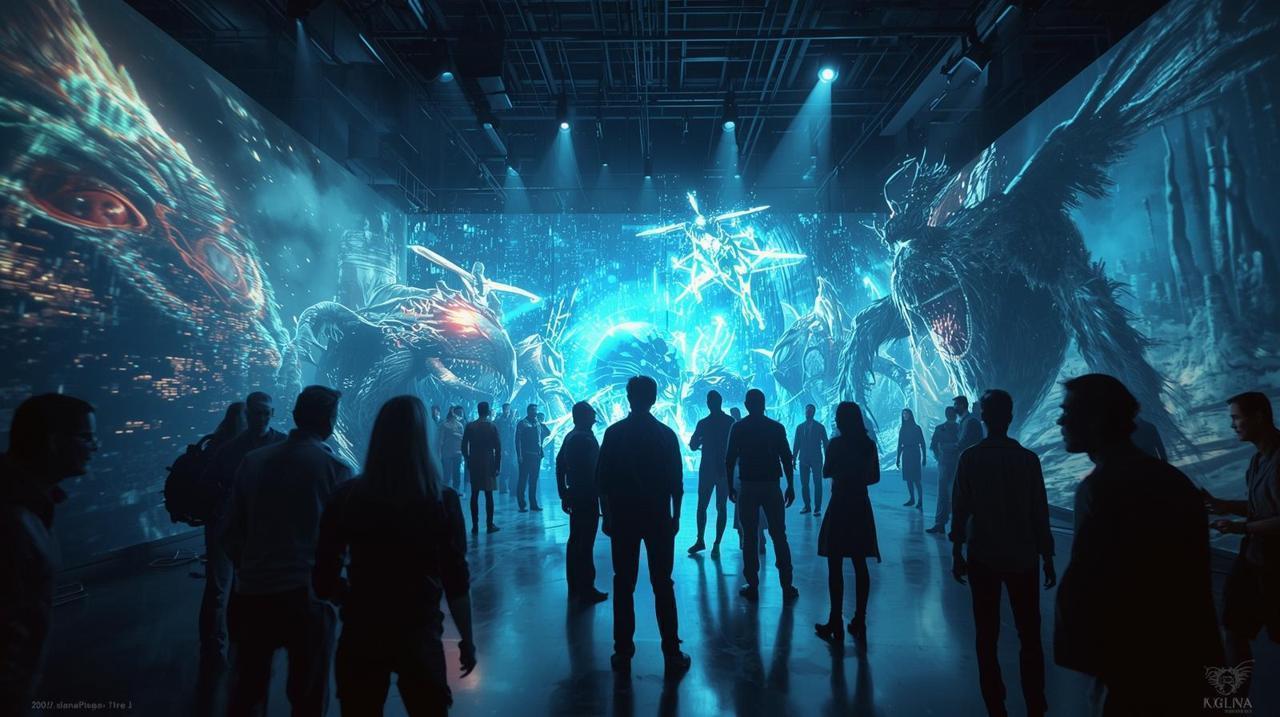
Virtual production combines real-time CGI with live-action filming. Photorealistic LED walls present dynamic environments, adapting to camera movements and allowing actors to immerse themselves in digital realms.
Enhancements in Filmmaking
Background lighting integrates seamlessly with actors, elevating realism beyond traditional green screens. Reshoots become more economical since setups are preserved digitally. Weather, time, and locations can be altered in an instant.
Productions like The Mandalorian demonstrate the effectiveness of this method, prompting major studios to adopt virtual sets for enhanced flexibility and reduced risks of location shooting.
Efficiency and Speed
Traditional CGI demands extensive hardware, manpower, and elongated timelines. Real-time CGI surmounts many of these hurdles.
Cost Savings
Reduced reliance on physical locations. Diminished set construction expenses. Fewer revisions in visual effects due to immediate scene evaluations.
Production timelines shorten dramatically with real-time approvals for scenes that once required days of rendering.
Empowering Directors and Cinematographers
This innovative CGI approach offers artists greater control over lighting, camera dynamics, and movement.
Fostering Creativity
Filmmakers can quickly assess various lighting setups, and cinematographers can preview color and motion in real time. Action sequences can be interactively visualized.
This technology blurs the distinction between animation and live-action, enabling creators to explore new ideas without budgetary constraints.
Advanced Pre-Visualization Techniques
Previs typically aids in scene planning before shooting commences. Real-time CGI transforms previs into an accurate and interactive process.
Significant Enhancements
Scenes can be constructed and modified instantaneously. Camera trajectories can be examined live, and stunt performances can be visualized with realistic physics.
Rather than relying on rudimentary visuals, teams create with near-final quality images for scene planning.
More Realistic Character Motion
Real-time CGI integrates with motion capture technologies to provide rapid feedback on character movements and expressions.
Significance of Real-Time Feedback
Animators are free from waiting for data processing. Actors can observe their digital counterparts react live. Directors can assess performances immediately, enhancing the quality of animated and hybrid productions alike.
This leads to superior outcomes for animated films and adaptations of video games.
Collaborative On-Set Environment
Real-time CGI encourages collaboration across departments—lighting, VFX, design, and directing—all operating within the same digital framework.
Benefits of Team Synergy
With a shared visual reference, miscommunication is drastically reduced. Technical teams can swiftly address challenges without awaiting rendered previews.
This alignment fosters a smoother, faster, and more precise production process.
Minimizing Green Screen Dependency
Green screens have been a long-standing tool in filmmaking but often introduce lighting discrepancies and extensive post-production labor.
Advantages of Real-Time LED Walls
These walls display final settings during filming, producing natural reflections on actors and significantly cutting down on post-production work.
This enhancement elevates realism while lessening the need for complex compositing tasks.
Remaining Challenges for Real-Time CGI
Despite its transformative potential, real-time CGI is not free from hurdles.
Identified Challenges
High expenditures for establishing LED stages. The necessity for proficient technical personnel. Hardware limitations for intricate scenes. Not all directors possess familiarity with real-time methods.
As technology progresses, these obstacles are expected to diminish.
Future Potential of Real-Time CGI in Filmmaking
In the forthcoming years, a majority of high-budget films and numerous mid-range projects will likely integrate real-time methodologies.
Anticipated Innovations
More economical virtual setup options. AI-supported real-time rendering solutions. Enhanced digital human representations. Live-rendered complete film productions.
This evolution is projected to synergize gaming and filmmaking technologies, ushering in a new age of engaging storytelling.
Final Insights
Real-time CGI stands out as one of cinema’s most significant innovations, offering cost efficiency, enhanced creativity, and accelerated production. Filmmakers can visualize scenes thoroughly before filming, actors engage in immersive environments, and studios achieve dazzling results within compressed timescales. As tools advance, real-time CGI will undeniably continue to redefine filmmaking, making high-caliber visuals attainable for a diverse range of productions.
Disclaimer
This article serves solely as informative content regarding filmmaking technology and should not be interpreted as professional technical, financial, or production guidance. The application and integration of real-time CGI may vary based on specific project requirements, equipment utilized, and technical know-how. Readers are advised to consult qualified industry experts before making production-related decisions.


 English