Post by : Anis
Al-Rashid
Education Is Undergoing a Major Transformation
Globally, education is experiencing unprecedented changes that have not been seen for over a century. Factors such as technology, globalization, evolving work requirements, and shifting social expectations are redefining how education is delivered, its structure, and its purpose. Learning is transitioning from traditional textbooks and lectures to a dynamic, personalized approach that caters to individual student needs.
The future of education will not replace teachers or classrooms. Rather, it will broaden access, enhance relevance, and integrate practical applications, ensuring students are equipped for an unpredictable future.
The Limitations of Traditional Educational Approaches
The New Skills Required by Today’s Economy
Education systems have historically focused on rote memorization, rigid curriculums, and standardized assessments. However, the modern workplace requires skills such as:
creativity
problem-solving
digital literacy
emotional intelligence
communication
adaptability
Traditional teaching methods often fail to adequately nurture these essential skills.
Understanding Modern Learners in the Digital Age
Today's students have grown up with technology—smartphones, interactive applications, and instant internet access shape how they learn and engage. Their learning preferences and attention spans differ significantly from previous generations. They now seek interactive and immediate feedback, which is often lacking in traditional learning environments.
Adapting to Uncertainty in a Globalized World
The rapid evolution of job industries, technological advancements, and global issues demand that students cultivate skills in resilience and lifelong learning. Education must prepare individuals to face an unpredictable future.
The Role of Technology in Future Learning
AI's Impact on Personalized Education
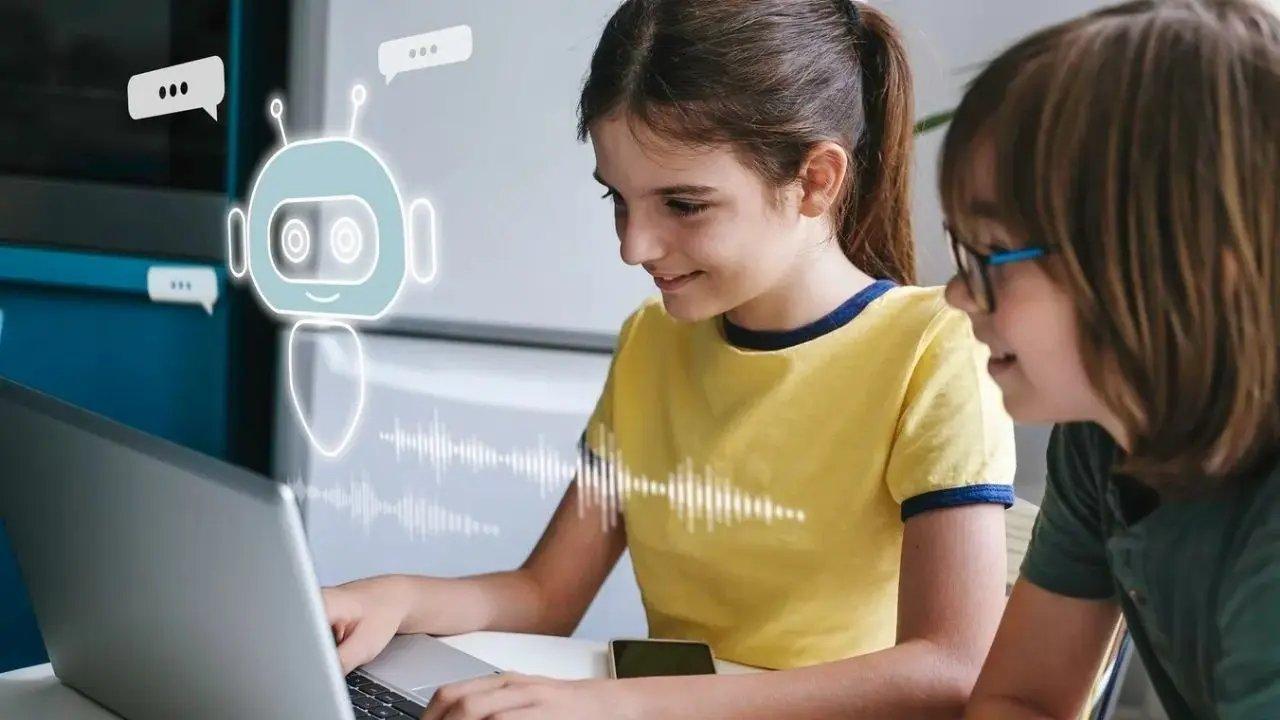
Artificial intelligence is reshaping educational methodologies, enabling tailored learning experiences. AI tools can monitor each student’s personal educational journey, adapting lessons to individual needs, capabilities, and interests.
Teachers as Guides, Not Replacements
In the future, educators will spend less time on administrative tasks as AI handles grading and assessment. This shift allows teachers to concentrate on:
Human interactions will remain vital in education.
The Shift Towards Virtual Learning Environments
Online platforms and collaborative tools will become integral in education, allowing students worldwide to attend classes together, work collaboratively, and learn from diverse educators. This enhances accessibility and democratizes education.
Changing Learning Structures and Access
Remote and Blended Learning Models Are Here to Stay
The recent global shift to online learning necessitated by crises has paved the way for enduring hybrid education models. Students will have flexible options to learn both online and in physical settings.
The Role of Smart Devices in Education
Students will rely on tablets and smart technology as core learning tools, utilizing interactive software, simulations, and evolving learning environments that foster deeper understanding.
Learning Beyond Classroom Boundaries
Education will extend far beyond traditional settings, incorporating real-life experiences in various environments—homes, labs, and workplaces—as experiential learning becomes paramount.
Curriculum Evolution to Meet Future Demands
New Subjects for an Evolving World
The educational landscape will adapt by integrating important subjects such as:
robotics
climate science
mental health education
digital citizenship
entrepreneurship
These reflect real-world needs rather than antiquated academic doctrines.
A Shift to Interdisciplinary Learning
Education will increasingly support interdisciplinary learning, merging fields such as psychology with business or environmental studies with science, aligning more closely with real-world applications.
A New Focus on Critical Thinking Over Memorization
Schools will emphasize skills such as:
analytical thinking
evaluation
creativity
This shift recognizes that mastery involves understanding and applying information as opposed to rote memorization.
Rethinking Assessment Models
From Traditional Testing to Skill Demonstration
Standardized tests will give way to:
These new methods will promote deeper comprehension rather than simple rote learning.
Continuous Learning Assessments
Students will be evaluated throughout their educational journey, fostering a more comprehensive picture of their capabilities and reducing stress related to high-stakes testing.
AI’s Role in Early Talent Detection
AI can pinpoint individual strengths across diverse domains early in a child's education, enabling tailored guidance toward suitable career pathways.
Teachers as Vital Support Figures
Shifting Teacher Roles to Mentorship
With AI managing data and logistical tasks, educators will be pivotal in:
mentoring
boosting confidence
cultivating curiosity
Human interaction will be essential in nurturing students' emotional and social skills.
Training Educators for Future Challenges
Educators will need training in a spectrum of topics including:
digital tools
inclusive practices
The future teacher will assume multifaceted roles as instructor, counselor, and innovative guide.
Empowering Students to Take Charge of Their Learning
Flexible and Choice-Based Educational Models
Next-generation education will allow students to steer their learning journey, emphasizing interest-driven curricula and personalized paths.
Emphasizing Hands-On Learning Experiences
Programs such as internships, workshops, and maker labs will complement established curricula, underlining the importance of practical experience.
Fostering Collaborative Learning Environments
Students will increasingly engage with peers, enhancing communication skills and collaboration which are vital in modern workplaces.
Global Perspective in Education
Preparing Students for a Global Workforce
Educational focus will shift towards global awareness and cross-cultural communication, ensuring that students learn to navigate an interconnected world.
Cross-Cultural Learning Opportunities
Virtual exchange programs and international mentorship experiences will become commonplace, enriching educational experiences.
The Value of Multilingualism
Diverse language skills will become vital assets in global industries, enhancing employability in an interconnected job market.
Focused Mental Health and Well-Being Education
Integrating Emotional Intelligence into Curricula
Future education will prioritize teaching students essential life skills such as:
Integrating mental health education will foster a holistic approach to student well-being.
Enhanced Counseling Support in Schools
Schools will offer more accessible mental health services and wellness programs to support positive learning environments.
Lifelong Learning as an Educational Foundation
Education Continues Well Beyond School
In a dynamic world, ongoing education will be supported through:
This framework will assist individuals in continually updating their skills to remain relevant in changing environments.
Adapting to Frequent Career Changes
As career shifts become commonplace, educational pathways will offer flexible learning options for continual professional development.
Confronting Future Educational Challenges
Bridging the Digital Divide
Access to technology remains uneven; significant investment is crucial to ensure all students can participate fully in modern education.
Balancing Technology with Human Touch
While AI offers powerful tools, the importance of empathy and ethical values in education cannot be overlooked.
Ensuring Quality in Online Learning
As digital learning expands, maintaining high educational standards is crucial to prevent misinformation.
Final Thoughts on the Learning Revolution Ahead
The forthcoming era of education is not solely digital; it is characterized by human connection, flexibility, and global inclusiveness. The next decade promises to redefine educational experiences, empowering students and equipping them for a continuously evolving world.
Education will focus on preparing individuals not just for careers, but for life in an unpredictable and interconnected landscape.
Disclaimer:
This article is intended for informational purposes and reflects current trends and observations in the global education landscape.


 English