Post by : Mariam
Al-Faris
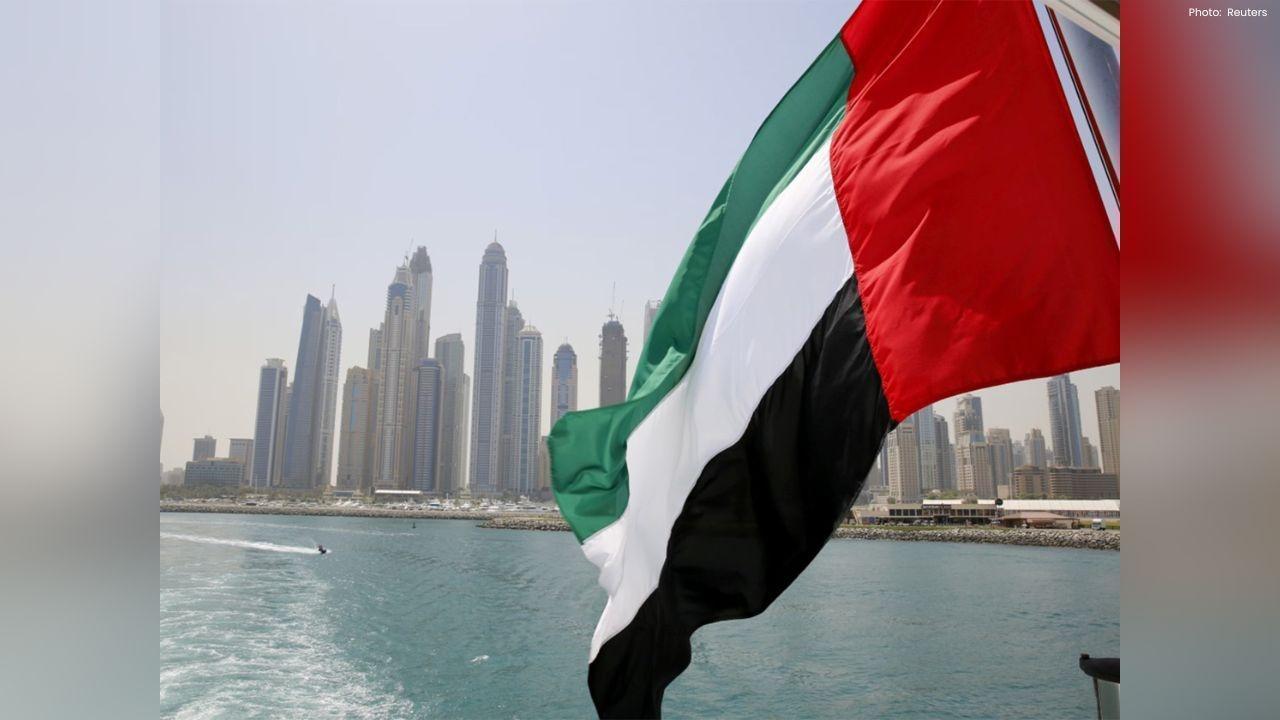
On November 20th, the United Arab Emirates (UAE) joined the Sultanate of Oman in commemorating Oman’s 55th National Day. This celebration emphasizes the longstanding historical connections and strategic alliances between both nations. The involvement of the UAE showcases the strong ties, fortified through diplomatic engagements and persistent dialogues.
The relations between the two nations span various spheres including political, economic, social, and cultural dimensions. Since the inception of the Joint Higher Committee in 1991, there have been concerted efforts to bolster cooperation across a wide array of sectors. This partnership not only nurtures Gulf and Arab unity but also enhances the connectivity of the Gulf Cooperation Council (GCC).
The economic ties are robust and evolving, with non-oil trade hitting AED54.3 billion in 2024, reflecting a 7% increase from the previous year and a 12% rise compared to 2022. In the first half of 2025 alone, non-oil trade accounted for AED30 billion, illustrating a year-on-year growth of 14.5%.
Oman stands as the UAE's second largest trading partner among GCC states, making up 16.3% of non-oil trade within the region. It ranks third among GCC markets for UAE exports and fourth in the Arab landscape, receiving 17% of UAE imports from GCC nations.
For Omani investors, the UAE is a primary destination, attracting 42% of Oman’s foreign investments, valued at OMR945.4 million (US$2.45 billion) by the close of 2024. Furthermore, the UAE is also the third-largest investor in Oman with total investments reaching OMR638.4 million (US$1.66 billion).
In May 2025, the two countries formalized a pact to establish the Al Rawdah Special Economic Zone in Al Buraimi, Oman. Prior to this, in April 2024, they entered into investment agreements worth AED129 billion, concentrating on sectors such as renewable energy, green metals, rail connectivity, and digital infrastructure.
Culturally, the UAE and Oman cherish a rich heritage encompassing arts, literature, and traditions. During Oman’s National Day celebrations, iconic structures in the UAE are lit up with Omani flags, and visitors from Oman are greeted with roses at border points, enhancing the cultural exchange between the people of both nations.
This year’s National Day celebration highlights Oman’s progress under the leadership of Sultan Haitham bin Tariq Al Said. Both nations are flourishing under the guidance of President His Highness Sheikh Mohamed bin Zayed Al Nahyan and Sultan Haitham bin Tariq Al Said.
Looking ahead, the collaboration between the UAE and Oman is anticipated to expand, covering areas such as economic ventures, cultural interactions, and regional cooperation. Both countries are devoted to fostering mutual growth and advancing shared objectives within the Gulf area and beyond.
The celebration of Oman’s 55th National Day symbolizes the enduring partnership between the UAE and Oman. Political collaboration, economic expansion, and cultural links consistently fortify the relationship between these two amicable nations, paving the way for future cooperation and shared prosperity.


 English