Post by : Saif
Al-Najjar
The exit of the United Arab Emirates from the Organization of the Petroleum Exporting Countries (OPEC) marks a pivotal change in global energy dynamics. This decision has garnered significant attention globally as OPEC has historically wielded considerable power in regulating oil supply and shaping prices worldwide.
As one of the top oil producers, the UAE has been a cornerstone of OPEC for numerous years. Its choice to depart from the organization is poised to influence its future operations. OPEC thrives when its members collaborate to manage production levels, aiming for equilibrium between supply and demand. A major member's exit can diminish the organization’s influence.
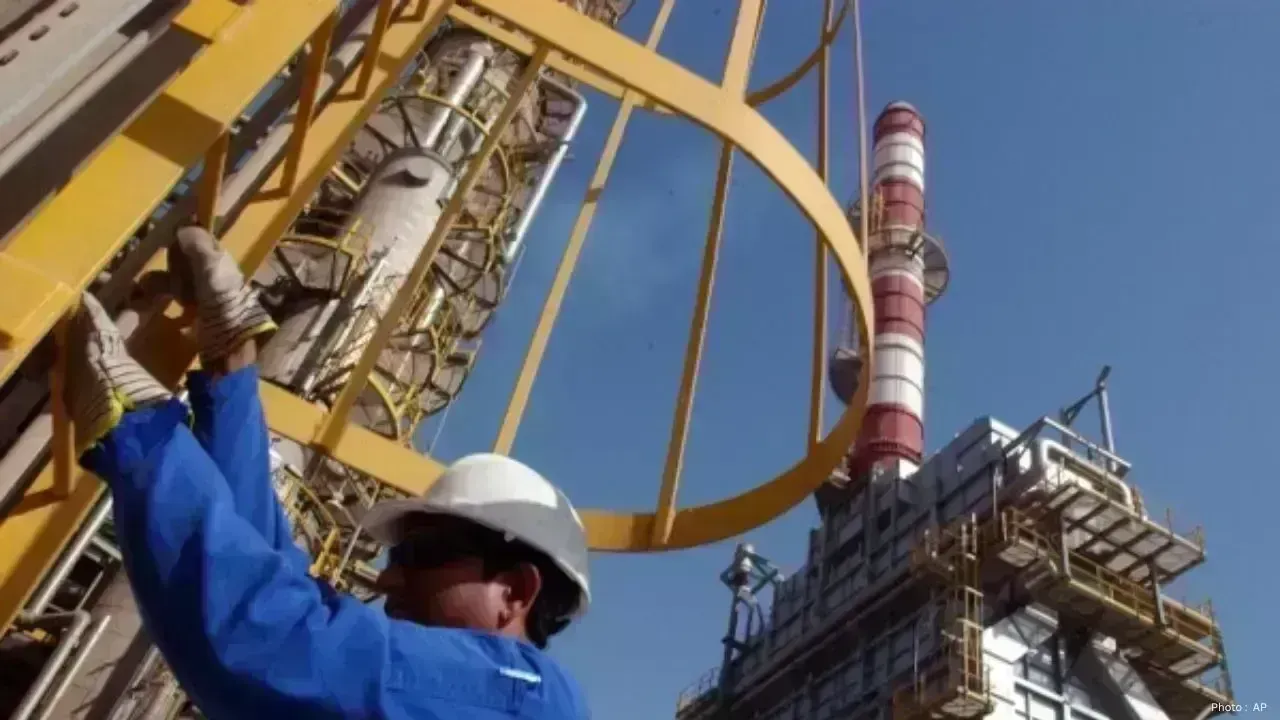
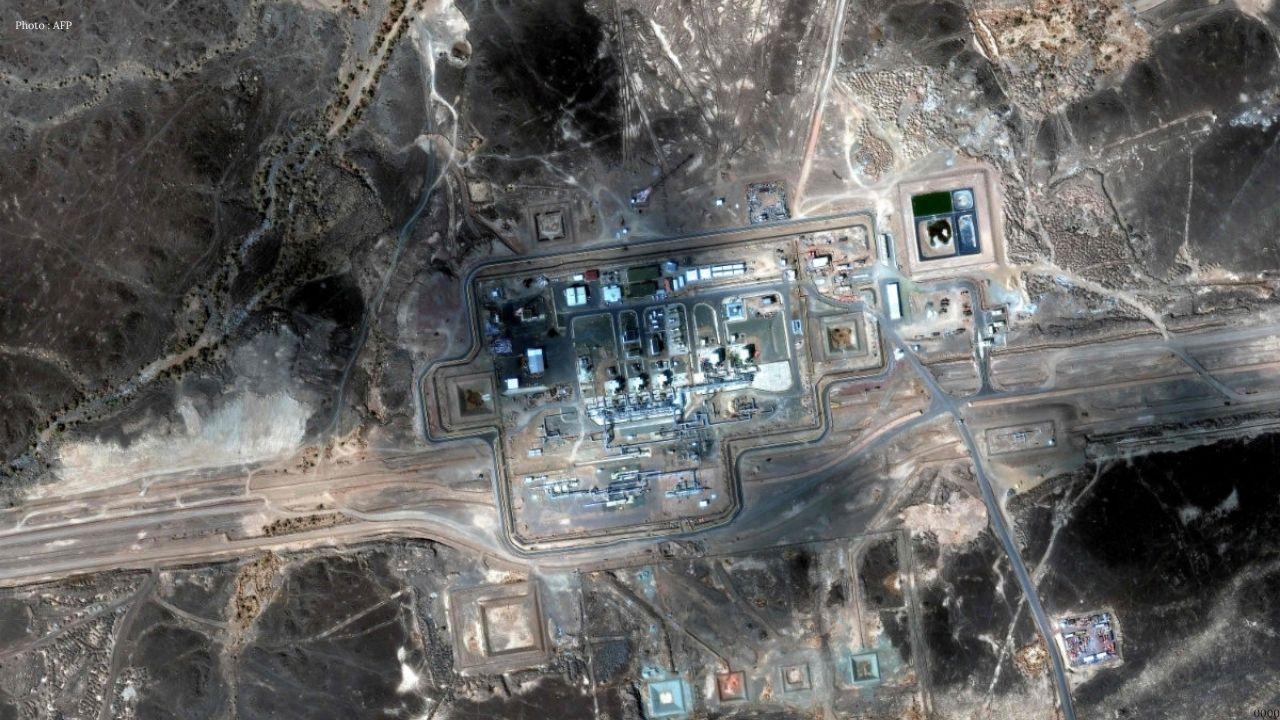
Underlying this departure appears to be the UAE's ambition for greater autonomy in its oil production strategies. OPEC's imposed production quotas, designed to maintain price stability, can hinder nations seeking to boost output. The UAE has heavily invested in enhancing its production capabilities and may now aim to leverage these enhancements more liberally.
This decision also illustrates a larger trend of countries reevaluating their global partnerships. Rather than strictly adhering to collective decisions, nations are prioritizing their economic goals and long-term visions. The UAE's action marks a movement towards a more independent energy policy.
While the immediate effects may take time to manifest, this decision has the potential to redefine the future landscape of the oil market. The absence of stringent coordination among key producers could lead to increased market volatility, with oil prices fluctuating based on individual production and export choices.
Moreover, there are anxieties regarding the future of OPEC itself. If additional countries choose a similar path, the organization may struggle to maintain its influence over global oil markets. Historically, OPEC has been vital in stabilizing prices during turbulent times, and a diminished OPEC could alter the structure of the global energy ecosystem.
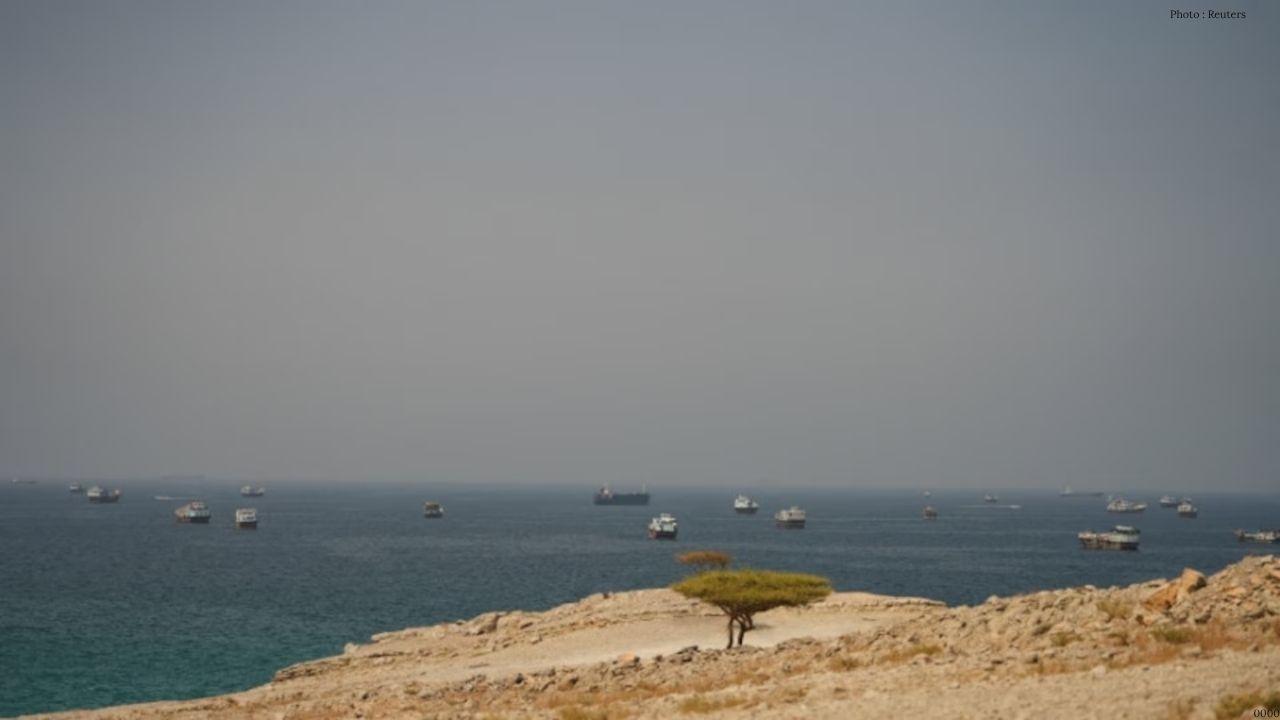
This development holds considerable implications for oil-importing nations. Fluctuations in oil supply and pricing can significantly impact fuel expenses, transportation, and economic stability as a whole. An increasingly liberalized market could lead to lower prices at certain times but may also trigger unexpected surges.
Furthermore, this development coincides with the gradual global shift towards alternative energy sources. Although oil remains integral to the economy, nations are making strides in renewable energy and envisioning a future with reduced fossil fuel dependency. This transition adds complexity to the situation.
The UAE's decision underscores the evolving landscape of global energy politics. It reveals that traditional partnerships are under scrutiny and that countries are seeking increased authority over their resources. The implications of this choice on the global oil market will likely become clearer as other producers modify their approaches in the coming years.


 English