Post by : Saif
Al-Najjar
The United Nations (UN) is preparing to bring back sanctions on Iran after a key vote at the Security Council. On Friday, Russia and China tried to pass a resolution that would have delayed the return of sanctions for six months. But their proposal failed, as most members voted against it. This means that from Saturday night, all UN sanctions on Iran will come back into force.
The move marks a serious moment in global politics and has increased tensions between Iran and Western countries. Tehran has warned that the decision will not go unanswered and could lead to more problems in the region.
What the Sanctions Mean
Sanctions are restrictions that the UN or countries place on another nation. They are used as a tool to pressure governments into following international rules. In Iran’s case, the sanctions will:
Ban Iran from enriching uranium beyond certain levels.
Reimpose an arms embargo, stopping Iran from buying or selling weapons.
Block financial and trade activities linked to its nuclear program.
The aim is to stop Iran from developing nuclear weapons. Iran has always denied that it is trying to build such weapons, saying its nuclear program is only for peaceful energy use.
Why Sanctions Are Coming Back
The issue goes back to the 2015 nuclear deal between Iran and major world powers, including the U.S., U.K., France, Germany, Russia, and China. The deal, known as the Joint Comprehensive Plan of Action (JCPOA), limited Iran’s nuclear activities in exchange for lifting sanctions.
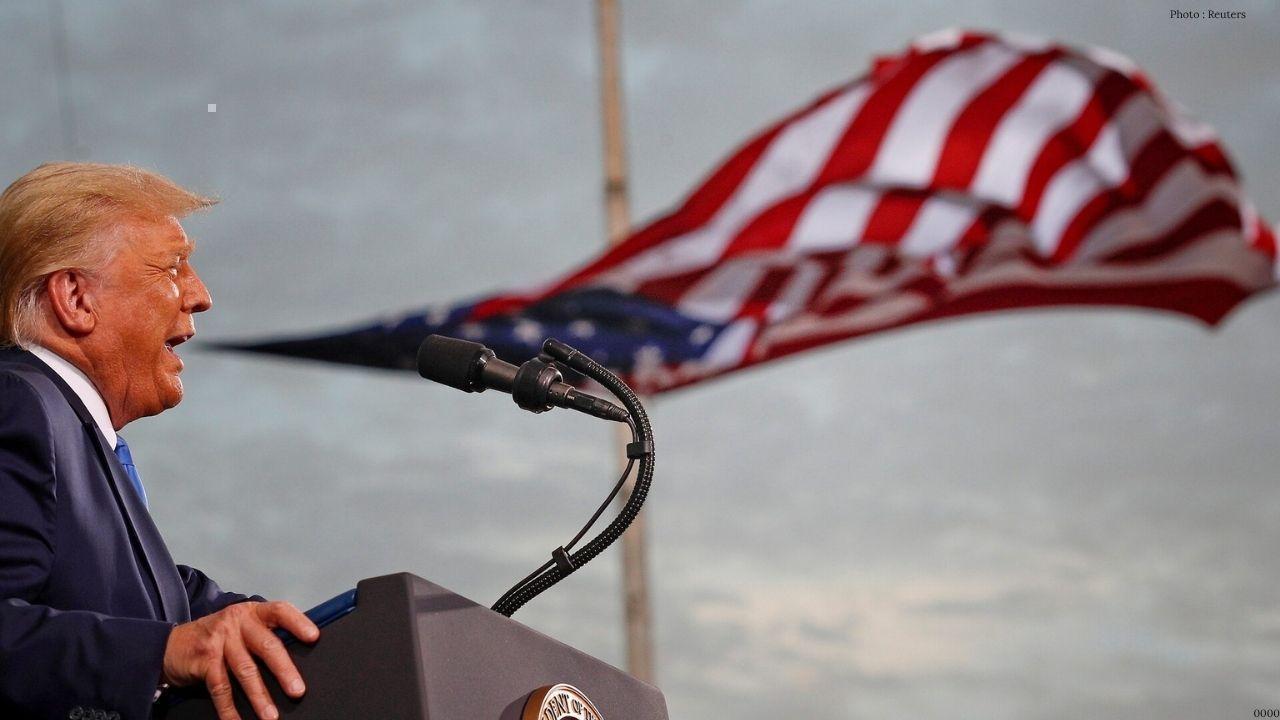
But in 2018, U.S. President Donald Trump pulled the U.S. out of the deal and reimposed American sanctions. Since then, Iran has reduced its cooperation with the agreement and expanded its uranium enrichment program.
European countries (France, Britain, and Germany, also called the E3) recently triggered a 30-day process at the UN, accusing Iran of violating the deal. This process automatically leads to the return of UN sanctions unless the Security Council agrees otherwise. The Russian-Chinese resolution was the last chance to delay this, but it failed.
The Security Council Vote
The 15-member Security Council voted on Friday. Only four countries supported the Russian-Chinese resolution. Nine countries voted against it, and two abstained.
Britain’s ambassador to the UN, Barbara Wood, explained the Western position. She said:
“This council fulfilled the necessary steps of the snapback process set out in resolution 2231, therefore UN sanctions targeting Iranian proliferation will be reimposed this weekend.”
This “snapback” process means that sanctions return automatically once certain conditions are met.
How Iran Reacted
Iran strongly criticized the move. Its Deputy Foreign Minister, Abbas Araghchi, said the decision was unfair and dangerous. He argued:
“The U.S. has betrayed diplomacy, but it is the E3 which have buried it.”
Iran’s President Masoud Pezeshkian also spoke to journalists. He insisted that Iran is not seeking nuclear weapons and will stay in the Non-Proliferation Treaty (NPT), an international agreement to stop the spread of nuclear arms.
“Iran will never seek nuclear weapons. We are fully prepared to be transparent about our highly enriched uranium,” he said.
Still, Tehran warned that the West will be responsible for any negative consequences.
Western Powers Leave Door Open for Talks
Although the sanctions are returning, Western leaders say diplomacy is not finished. France’s envoy stated that this is not the end of discussions. The U.S. representative also said Iran can still come back to the table if it agrees to stricter inspections and reduces its uranium stockpiles.
The E3 had offered Iran a delay in sanctions if it allowed more access for UN nuclear inspectors and restarted serious talks. But no agreement was reached before the deadline.
Economic Impact on Iran
Iran’s economy is already under great pressure from U.S. sanctions reimposed since 2018. These measures have limited its oil sales, reduced foreign investments, and weakened its currency. The new UN sanctions, along with European Union sanctions expected next week, will add more difficulties.
This could increase public frustration inside Iran, where many people already face rising prices and unemployment. At the same time, the government may use the sanctions to rally nationalist support and blame the West for economic hardship.
What Happens Next
UN sanctions officially return on Saturday night at 8 p.m. EDT (0000 GMT).
The European Union (EU) will also bring back its own sanctions next week.
Iran says it will continue talks but warns it will respond strongly to what it sees as Western hostility.
Russia and China remain supportive of Iran and have accused the West of closing the diplomatic path.
The situation will likely lead to more tension in the Middle East, a region already marked by conflict and mistrust.
Disclaimer
This editorial is based on reports from the United Nations and statements by officials from different countries. The purpose is to provide readers with a clear and simple understanding of the issue. The article does not support or oppose any side in this conflict. All details are for information only.


 English