Post by : Sami
Al-Rahmani
Understanding the Long-Term Effects of Poor Posture on Body Pain
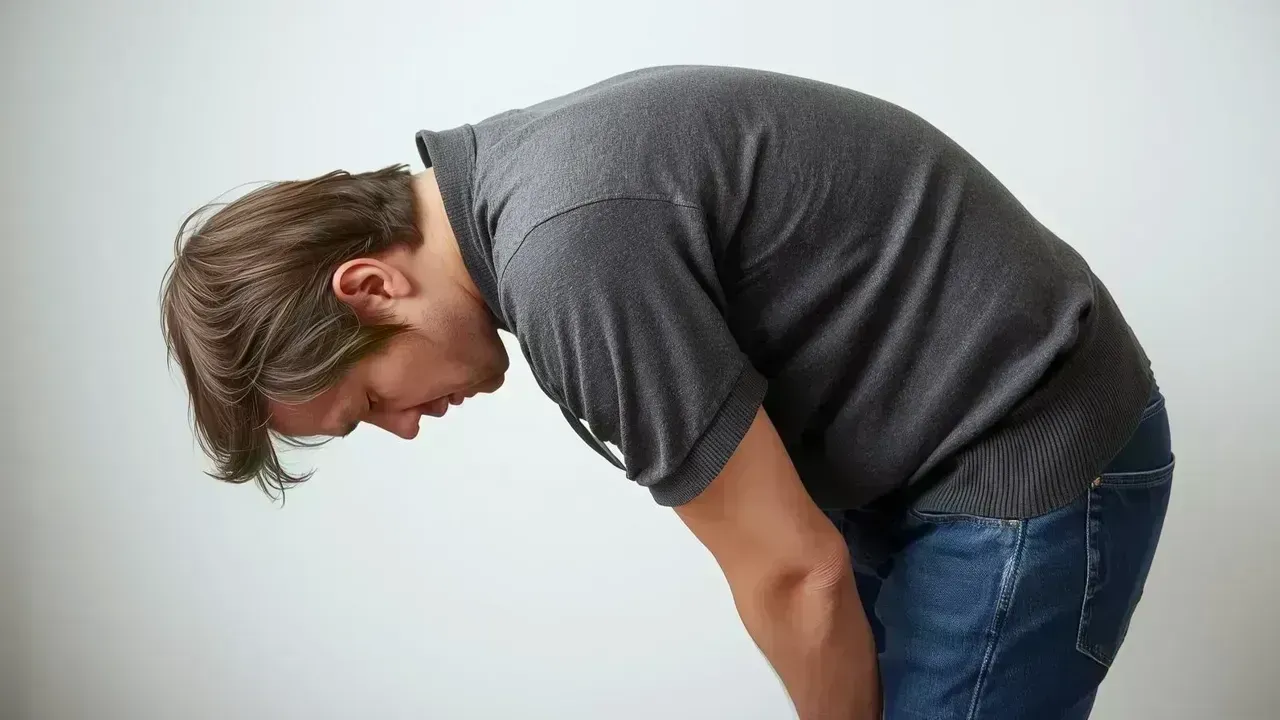
Poor posture is a significant yet often overlooked factor contributing to chronic body pain in today’s society. It develops gradually, frequently without any initial signs of discomfort, but eventually exerts abnormal stress on muscles, joints, nerves, and even organs. With increasing screen time, sedentary work, and reliance on mobile devices, the repercussions of poor posture are not confined to older adults; they impact teenagers, working adults, and children alike.
This article examines how inadequate posture leads to long-term physical discomfort, the most affected areas, how the damage worsens over time, and the internal changes that occur when posture is neglected.
Defining Poor Posture and Its Development
Posture refers to the alignment of your body while sitting, standing, walking, or lying down. Maintaining good posture ensures the spine is neutral, balancing body weight and enabling effective muscle function. Poor posture results from prolonged disruption of this alignment.
Common Causes of Poor Posture
-
Sitting for long periods without back support
-
Forward head positioning while using devices
-
Slouching during laptop use
-
Weak core and back muscles
-
Sedentary lifestyle
-
Poor sleeping positions
-
Lack of awareness about posture
Poor posture isn't merely a single habit; it’s a pattern enacted daily that evolves into the body's default posture over time.
The Spine's Natural Design for Body Support
The spine isn't straight; it features natural curves that serve to absorb shock and maintain balance.
Natural Curves of the Spine
-
Cervical curve (neck)
-
Thoracic curve (upper back)
-
Lumbar curve (lower back)
These curves function collectively to evenly distribute stress. Poor posture can alter these curves, which leads to uneven pressure and mechanical stress.
The Chain Reaction: Pain Generated by Poor Posture
Poor posture impacts the entire body, creating a chain reaction of discomfort.
Muscle Imbalance
Some muscles may become overstretched and weak, while others tighten and overwork. This imbalance forces muscles to exert more effort than intended.
Joint Compression
Misalignment heightens pressure on joints, resulting in early deterioration.
Reduced Blood Flow
Compressed muscles and joints limit circulation, hampering the delivery of oxygen and nutrients.
Nerve Irritation
Misalignment can pinch nerves, causing pain, tingling, or numbness.
Over time, the body adjusts to these dysfunctions, leading to chronic pain.
Neck Pain Linked to Forward Head Posture
One prevalent postural issue is forward head posture.
Consequences of Forward Head Movements
The human head typically weighs between 4-6 kg. For every inch the head moves forward, the load on the neck increases significantly, placing excessive strain on the cervical spine.
Long-Term Consequences
-
Chronic stiffness in the neck
-
Reduced mobility in the neck
-
Cervical disc compression
-
Frequent headaches and migraines
-
Tension in the shoulders
This posture can also disrupt breathing, contributing to fatigue.
Impact of Slouching on Upper Back and Shoulders
Slouching causes a rounding of the shoulders and a collapse of the chest.
Why This Causes Pain
-
Upper back muscles may be overstretched
-
Chest muscles become tight
-
Shoulder joints lose stability
-
Scapular muscles weaken
This muscle imbalance can lead to discomfort and burning sensations between the shoulder blades.
Long-Term Effects
-
Decreased shoulder strength
-
Higher risk of rotator cuff injuries
-
Persistent stiffness in the upper back
-
Poor overall breathing efficiency
Posture's Role in Lower Back Pain
Lower back pain is often linked with poor posture.
Effects of Sitting on Lower Back Health
Long durations of sitting can tilt the pelvis backward, flattening the lumbar curve. This places enhanced pressure on discs and strains surrounding ligaments.
Long-Term Risks
-
Degeneration of lumbar discs
-
Chronic pain in the lower back
-
Compression of the sciatic nerve
-
Decreased spinal flexibility
Over time, even simple standing can become painful due to muscle fatigue.
Impact on Hips and Knees Due to Postural Compensation
Inadequate posture alters weight distribution across the body.
Implications for Hips
Changes in pelvic tilt influence hip joint mechanics, leading to:
Knee Effects
Misaligned hips interfere with knee tracking, which heightens stress on knee joints and cartilage.
Long-Term Risks
Foot Pain and Stress from Poor Posture
Inadequate posture impacts the entire kinetic chain.
Why Feet Are Affected
Misalignment results in uneven weight distribution across the feet, increasing pressure in selected areas.
Potential Outcomes
Breathing and Energy Levels Affected by Posture
Slumped posture compresses the diaphragm and chest.
Consequences for Breathing
Posture’s Connection to Stress and the Nervous System
There’s a close link between posture and stress.
Posture's Effect on Stress Response
Compressed posture sends stress signals to the brain, activating the sympathetic nervous system and keeping the body in a heightened alert state.
Resulting Issues
The Progressive Nature of Posture-Related Pain
The onset of pain from poor posture is not typically sudden.
Cumulative Damage
-
Muscles adjust to abnormal positions
-
Joints face cumulative stress
-
Connective tissues become stiff
-
Pain thresholds lower
Ignoring posture can lead small issues to escalate into chronic structural problems.
Why Painkillers Fail to Solve Postural Pain
Medications address symptoms, not root causes.
Limitations of Pain Relief Methods
-
Short-lived relief
-
Failure to correct alignment
-
Masking important warning signals
-
Risk of dependency
Without addressing posture, pain is bound to return.
Impact of Technology on Postural Health
Modern habits amplify postural strain.
Key Factors at Play
-
Neck positioning while using smartphones
-
Laptop usage without ergonomic considerations
-
Excessive video watching
-
Decreased physical activity
Technology has accelerated posture degradation faster than bodies can adapt.
Recognizing Posture-Related Pain Symptoms
The Insufficiency of Exercise Alone
While exercise is beneficial, it doesn’t fully address posture issues.
What’s Required
-
Awareness of optimal posture
-
Daily habits for alignment
-
Ergonomic adjustments
-
Commitment to consistency
Posture is a 24-hour commitment, rather than a one-off exercise solution.
Consequences of Long-Lasting Pain on Daily Life
Chronic pain impacts more than just the physical being.
Daily Implications
Significance of Early Intervention in Posture Correction
Addressing poor posture early can help prevent:
-
Chronic pain conditions
-
Spinal disc disorders
-
Nerve compression problems
-
Degenerative joint conditions
-
A reliance on medication
Small lifestyle adjustments can afford long-lasting relief.
A Long-Term Vision Toward Posture and Pain Management
Posture isn’t just about standing tall for brief intervals; it’s about how your body functions day-to-day. Every moment in poor alignment adds strain—correcting posture can alleviate pain for the future.
Concluding Thoughts on Posture’s Role in Body Pain
Poor posture ranks among the most preventable causes of sustained body pain. The discomfort you experience today is often rooted in habits formed years ago. Continuous awareness, consistent effort, and minor adjustments can safeguard your spine, joints, and muscles over a lifetime.
Your posture encompasses more than your stance; it shapes how your body learns to move.
Disclaimer
This article serves informational purposes only and does not substitute for professional medical advice. Variations in posture-related pain exist among individuals and may accompany underlying health conditions. Always seek guidance from a qualified healthcare professional or physiotherapist for accurate diagnosis and tailored treatment options.


 English