Post by : Saif
Al-Najjar
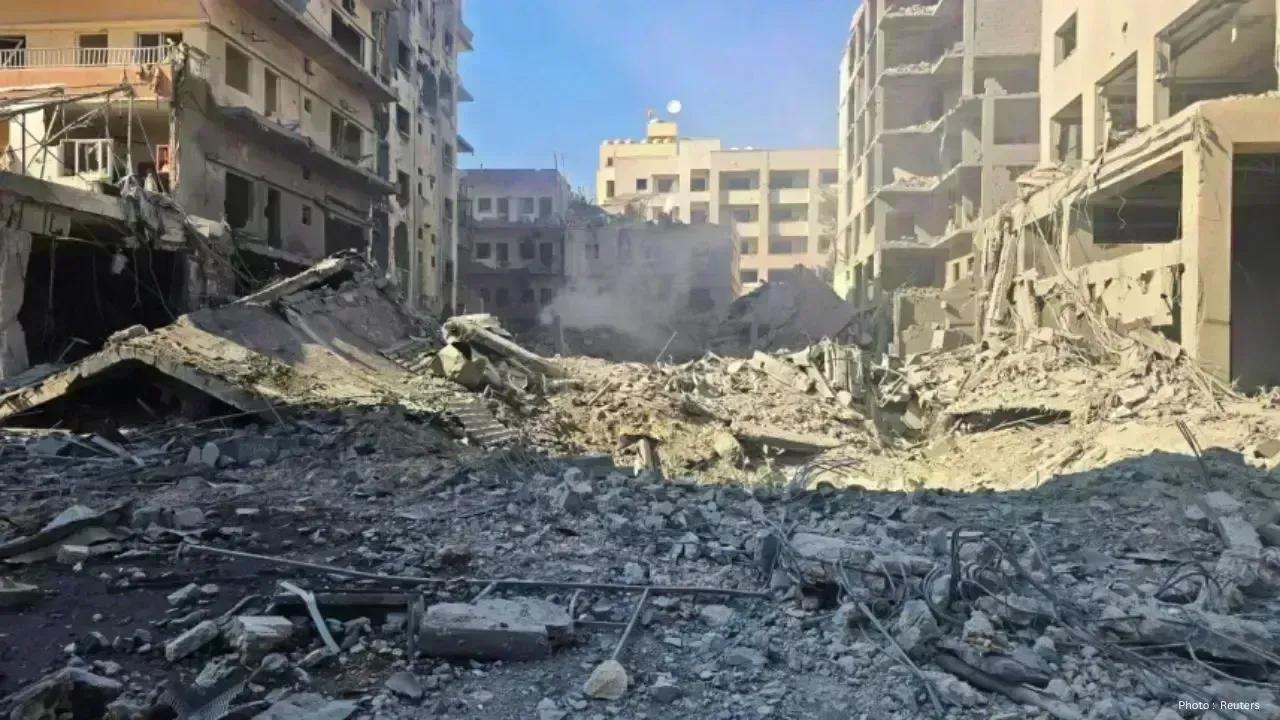
The relationship between the United States and Iran has edged closer to direct confrontation following the U.S. military strikes on Iranian military-related sites. In retaliation, Tehran launched an attack on a U.S.-linked air base, escalating concerns throughout the Middle East and drawing attention from international governments worried about broader conflict.
This military action marks a significant evolution in tensions between the nations in recent months. Washington justified the strikes as necessary for safeguarding its personnel and strategic interests, alleging that Iranian activities posed a direct threat to regional security. Officials referred to the operation as a defensive measure.
Iran's attack on the military air base was framed by its authorities as a necessary response to U.S. aggression on their territory. This cycle of military action underscores the severe friction that continues to permeate U.S.-Iran relations.
The long-standing disagreements—over security, influence, and military operations—have consistently fueled tensions. Although occasional diplomatic efforts have brought temporary relief, many critical issues remain unaddressed. The latest confrontation illustrates how swiftly situations can escalate in response to military engagements and retaliatory strikes.
The repercussions of these developments are not confined to the U.S. and Iran. Neighboring nations in the Middle East are vigilantly observing the situation, as escalating hostilities could have widespread implications for regional stability. Security concerns are amplified whenever major powers in the region clash.
Moreover, global energy markets are closely monitoring developments. The region is a pivotal center for oil production and shipping. Conflicts that threaten vital shipping routes or energy infrastructures could disrupt fuel pricing and instigate global market uncertainties.
Financial markets remain on edge as investors assess the potential for further escalation. Historical geopolitical tensions often spawn worries about trade dynamics and economic growth prospects, leading businesses operating in the region to brace for possible instability.
Humanitarian issues also loom large, presenting serious risks of a wider conflict which jeopardizes civilian populations, damages vital infrastructure, and creates extended economic hardships. International organizations have stressed the need for protecting civilian interests and avoiding actions that might exacerbate these tensions.
Ongoing diplomatic initiatives are expected as global leaders search for paths that may avert additional escalation. Calls for restraint and renewed dialogue among all involved parties have come from various governments. Despite significant differences, there is a shared belief that diplomatic resolutions are essential for mitigating risks and fostering long-term stability.
The recent exchanges between the U.S. and Iran highlight the fragile security landscape in the Middle East. How military activities evolve and how quickly retaliations occur can dramatically amplify uncertainty. The ongoing situation will be closely monitored for any signs that diplomatic efforts may succeed in diminishing tensions and ensuring sustained regional stability.


 English