Post by : Shweta
U.S. Launches First Iran Strikes in a Month
The United States has carried out its first military strikes against Iran in a month, targeting Iranian military-related sites on Larak Island in the Strait of Hormuz.
The latest strikes represent a fresh escalation in the conflict after a period of relative calm between U.S. and Iranian forces. The development has raised concerns about a renewed cycle of attacks across the Middle East.
Iran Retaliates Against U.S. Forces
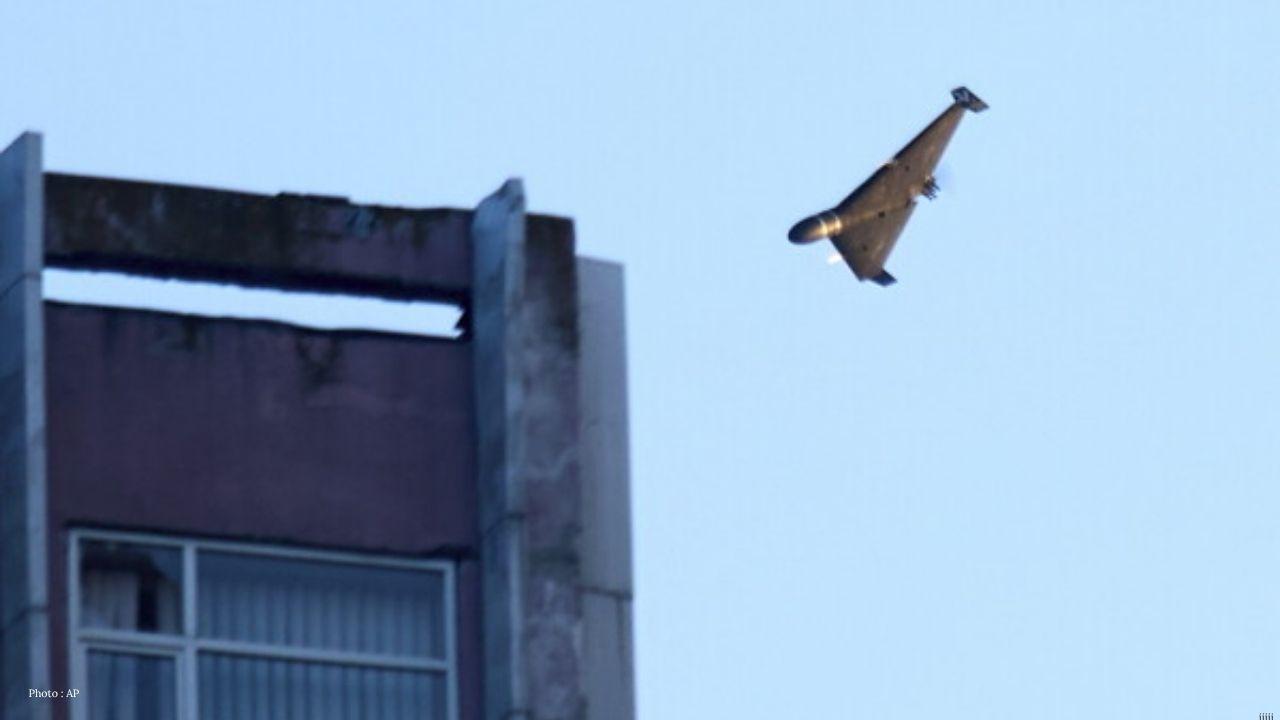
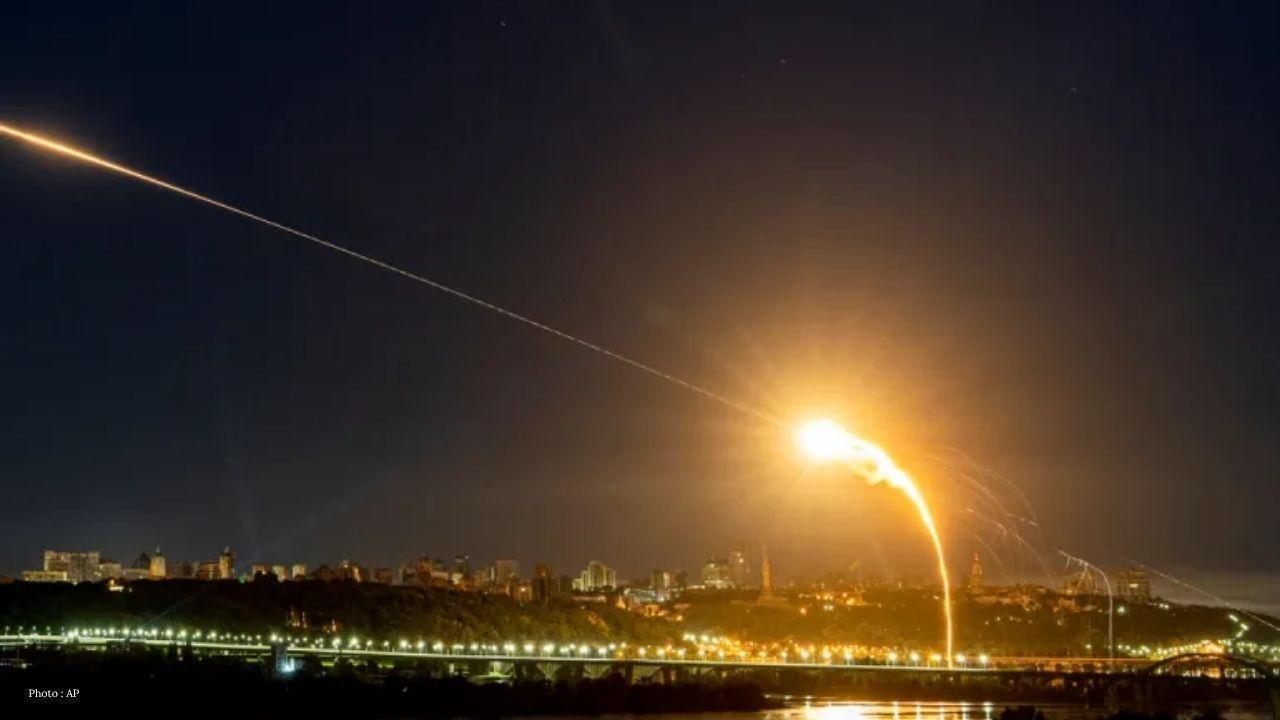
Iran responded to the American strikes by launching missiles toward bases in Jordan that host U.S. forces.
The retaliation came shortly after the U.S. military action and increased fears that the confrontation could spread beyond Iran and the Strait of Hormuz to other countries in the region.
U.S. Says Iranian Missiles Were Intercepted
U.S. officials said missiles launched toward Jordan were intercepted before they could cause significant damage.
The reported interceptions helped prevent potentially greater casualties and destruction, while U.S. and regional authorities continued monitoring the situation for further attacks.
Larak Island and Strait of Hormuz
The U.S. strikes targeted sites on Larak Island, which is located in the strategically important Strait of Hormuz.
The waterway is a major global energy route through which large quantities of oil and liquefied natural gas normally pass. Any prolonged military disruption could create serious risks for commercial shipping and international energy markets.
Middle East Conflict Enters a New Phase
The latest exchange shows that tensions between Washington and Tehran remain extremely high despite the previous pause in direct U.S. strikes.
Iran's response also highlights the wider regional risks because American military personnel and facilities are located across several countries that cooperate with Washington on regional security.
Read more : US Navy Forces Thwart Iranian Attacks in Strait of Hormuz
Jordan Faces Growing Regional Pressure
Jordan has close security ties with the United States and hosts American military personnel.
The targeting of facilities hosting U.S. forces puts Jordan in a difficult position as tensions increase. Further attacks could put additional pressure on neighbouring countries and increase fears of a wider regional conflict.
Global Energy and Security Concerns
Governments and international markets are closely watching the renewed confrontation because of the strategic importance of the Strait of Hormuz.
A prolonged disruption in the waterway could affect oil transportation, shipping costs and energy prices worldwide. Canadian consumers and businesses could also feel the impact if higher global energy prices persist.


 English