Post by : Saif
Al-Najjar
Heightened tensions between the United States and Iran have escalated recently, particularly in the Strait of Hormuz, affecting global peace and economic stability. Developments in the situation have increased military risks and created significant uncertainty across international markets and diplomatic avenues.
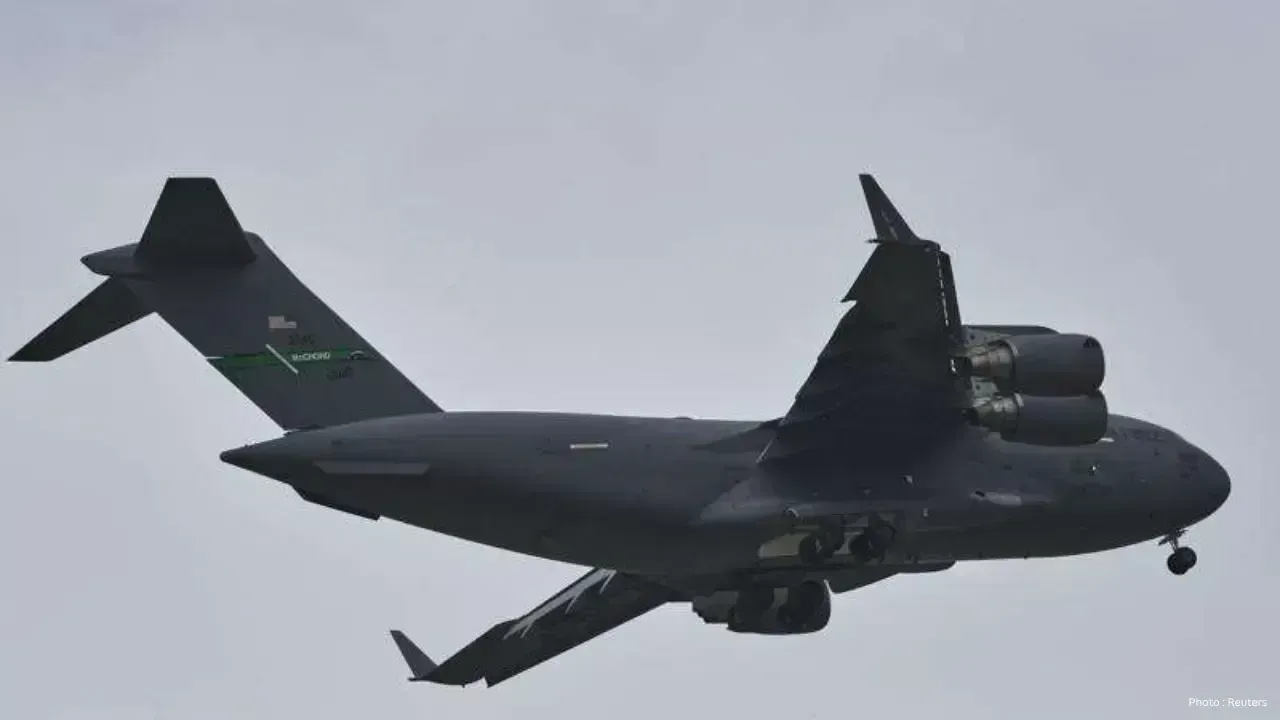
Recent reports indicate the U.S. seized an Iranian cargo vessel near the Strait, alleging an attempt to evade a naval blockade. Iran has deemed this as a violation, vowing a strong retaliatory response, further intensifying hostilities.
Both nations are poised for potential negotiations amidst the backdrop of threats exchanged. While discussions were anticipated to occur in Pakistan, Iran's confirmation remains pending, casting doubt on the possibility of a peaceful resolution.
The Strait of Hormuz is critical to this crisis, serving as a vital conduit for global oil transport—about 20% of the world’s oil traverses these waters. Disruptions in this area can lead to immediate repercussions on energy supplies and pricing worldwide.
Shipping activity is already feeling the strain, with reports indicating restricted tanker movements and challenges in safe passage. As a direct consequence, crude oil prices have surged, straining economies dependent on energy imports.
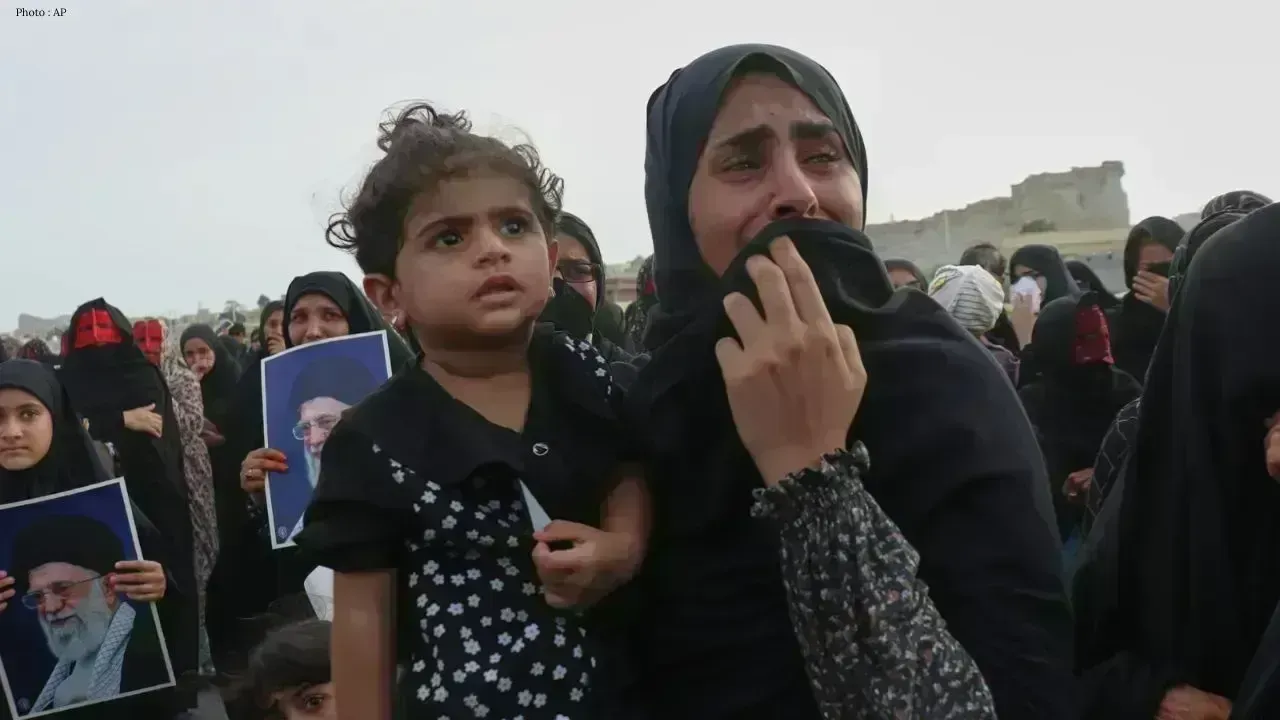
The conflict first escalated earlier this year following coordinated U.S. and Israeli military actions against Iran, leading to missile strikes, drone engagements, and naval skirmishes resulting in significant casualties.
A tenuous ceasefire exists, but its expiration looms, raising concerns of renewed hostilities if no diplomatic agreement is achieved. The upcoming days are seen as crucial for both dialogue and global stability.
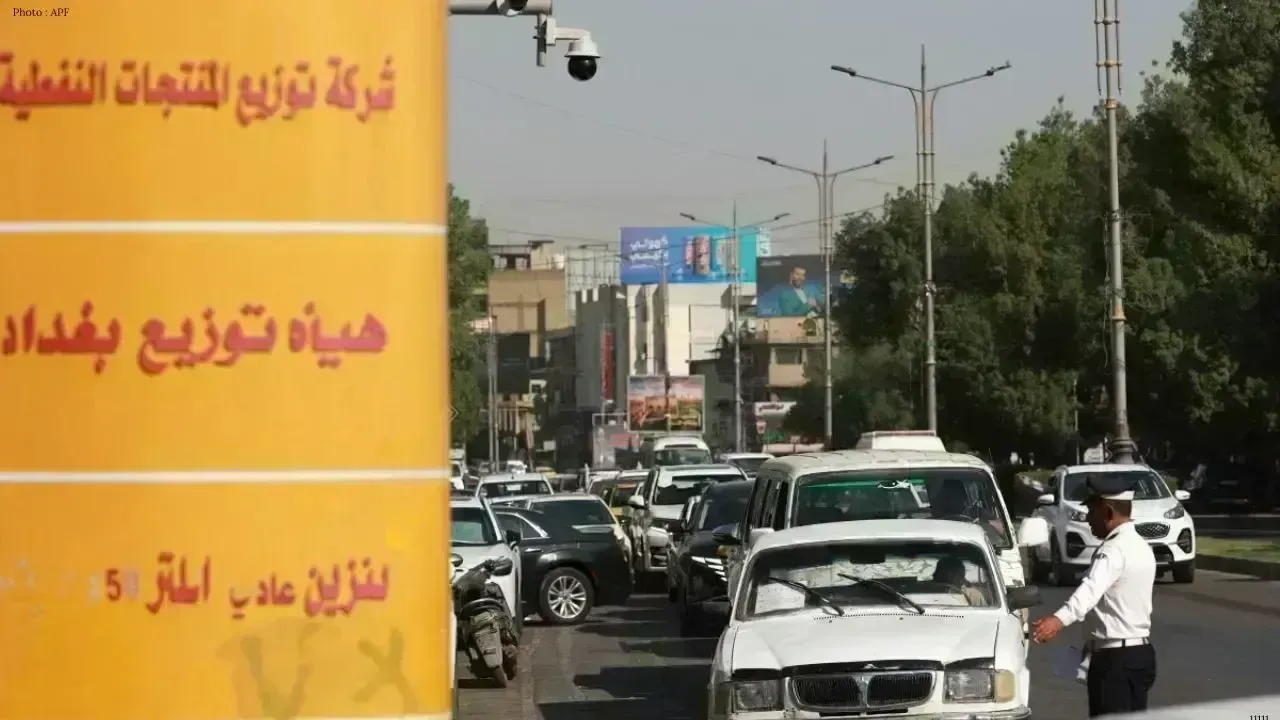
This geopolitical strife is further impacting the global economy, as soaring oil prices drive up fuel costs, affecting transportation and daily living. Financial markets show signs of volatility as investor sentiment grapples with this risk-laden scenario.
Experts caution that even an extension of the ceasefire might not yield immediate normalization of conditions. With shipping routes and oil supply lines disrupted, recovery can span months.
International diplomacy plays a vital role, with nations globally monitoring the developments and urging both parties back to the negotiating table. Achieving peace is essential to avert further casualties and economic fallout.
This ongoing crisis exemplifies our interconnected world where conflict in one area can resonate throughout economies and populations worldwide.
The situation remains precarious, with no clear resolution in sight. The imminent decisions made by both the U.S. and Iran will greatly shape the regional dynamics and their global repercussions.


 English