Post by : Saif
Al-Najjar
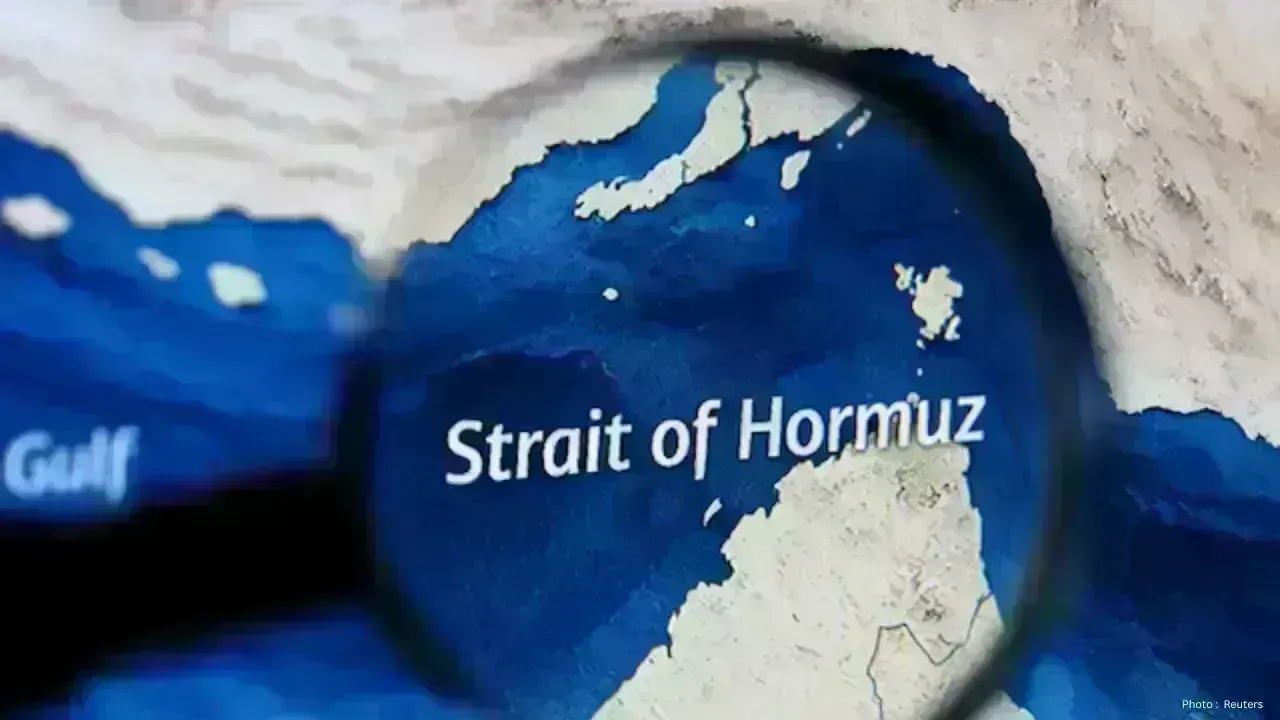
A troubling new scam is affecting the global shipping sector, as deceptive messages are being distributed promising “safe passage” through the Strait of Hormuz. Maritime security experts are sounding the alarm that these communications could lead to confusion and increased dangers in this crucial international waterway.
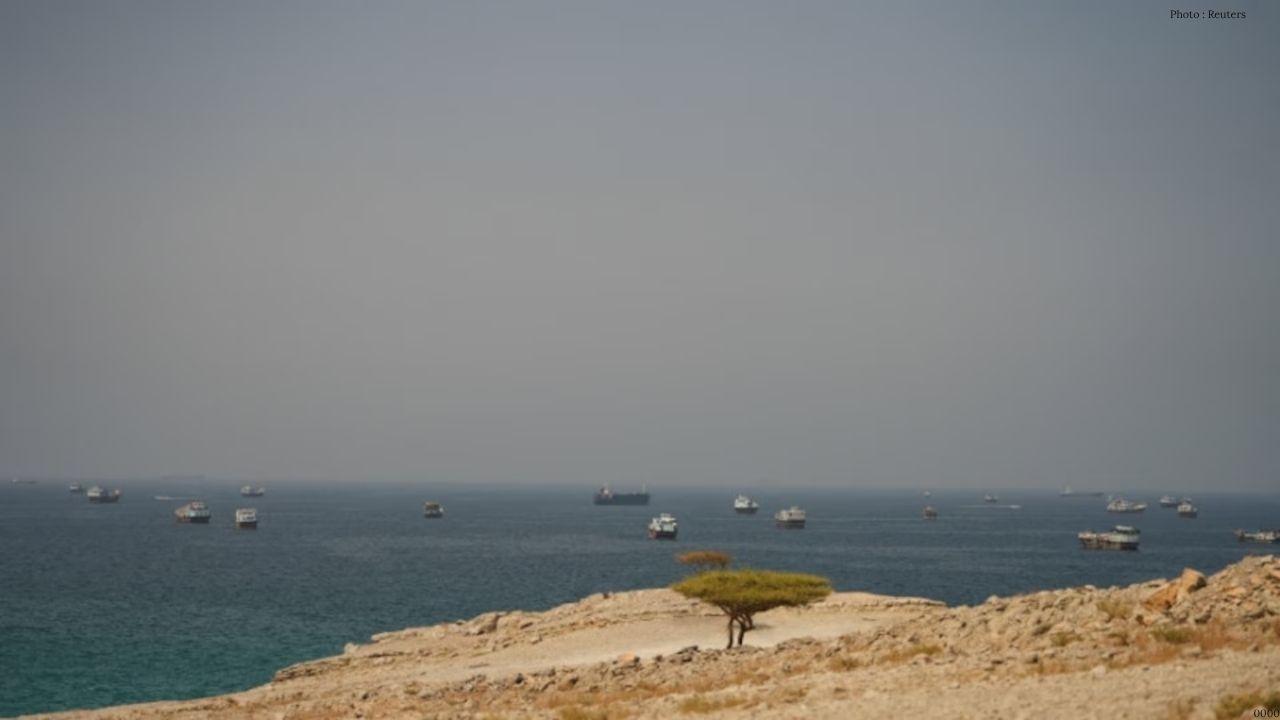
The Strait of Hormuz serves as a vital corridor for both oil and trade, linking the Persian Gulf to the seas beyond. Daily, a significant share of the global oil supply transits through this narrow channel. Given its strategic importance, any disruption or false information can have extensive ramifications worldwide.
A maritime security firm indicated that unidentified groups are dispatching messages to vessels, asserting that they can guarantee safe navigation through this vital region. These communications often mimic legitimate governmental sources and employ technical jargon to appear credible. Nevertheless, experts assert that these messages are entirely fraudulent, aimed at misleading ship operators.
The timing is critical, as escalating tensions in the region due to ongoing geopolitical conflicts have made ship crews more vigilant, often seeking ways to enhance safety. Scammers are exploiting this heightened anxiety by presenting fraudulent assurances.
Security professionals caution that adhering to such misleading instructions can have dangerous consequences. Ships might be directed toward perilous routes or encouraged to divulge sensitive information, with some scams potentially tied to efforts to monitor or target vessels. This exposes both crew members and cargo to significant risks.
Authorities are urging all shipping companies to disregard these fraudulent messages and to utilize only verified official communication channels. Trusted sources include governmental agencies and reputable maritime security organizations, with verification of any unexpected messages strongly advised.
This situation underscores the increasing hazards posed by cyber threats to global commerce. As shipping operations become more digitized, they concurrently become more susceptible to online scams and misinformation. Experts highlight the necessity for enhanced cybersecurity practices to safeguard maritime activities.
For nations dependent on oil and trade that navigate through the Strait of Hormuz, this alarming trend raises serious concerns. Any misinformation or disturbances in the region can quickly disrupt supply chains and impact global energy markets.
Shipping companies are encouraged to train their employees to detect these fraudulent schemes. Building awareness among crews is deemed the first line of defense. By becoming familiar with the tactics used in these scams, teams can better avoid falling victim to fraud.
This situation also emphasizes the need for improved international collaboration. Given that the shipping industry operates across various jurisdictions, countries and organizations must cooperatively share information and promptly address threats.
While these scams may not involve outright attacks, their consequences can still be severe. Misinformation in such a volatile region can induce incorrect decisions, delays, and potentially hazardous situations.
The alert issued by security firms serves as a reminder that contemporary threats are not solely physical. In today’s environment, deceptive information can pose hazards as significant as those from direct actions. Remaining vigilant, confirming information, and relying on trusted sources are crucial for ensuring safety at sea.


 English