Post by : Anis
Al-Rashid
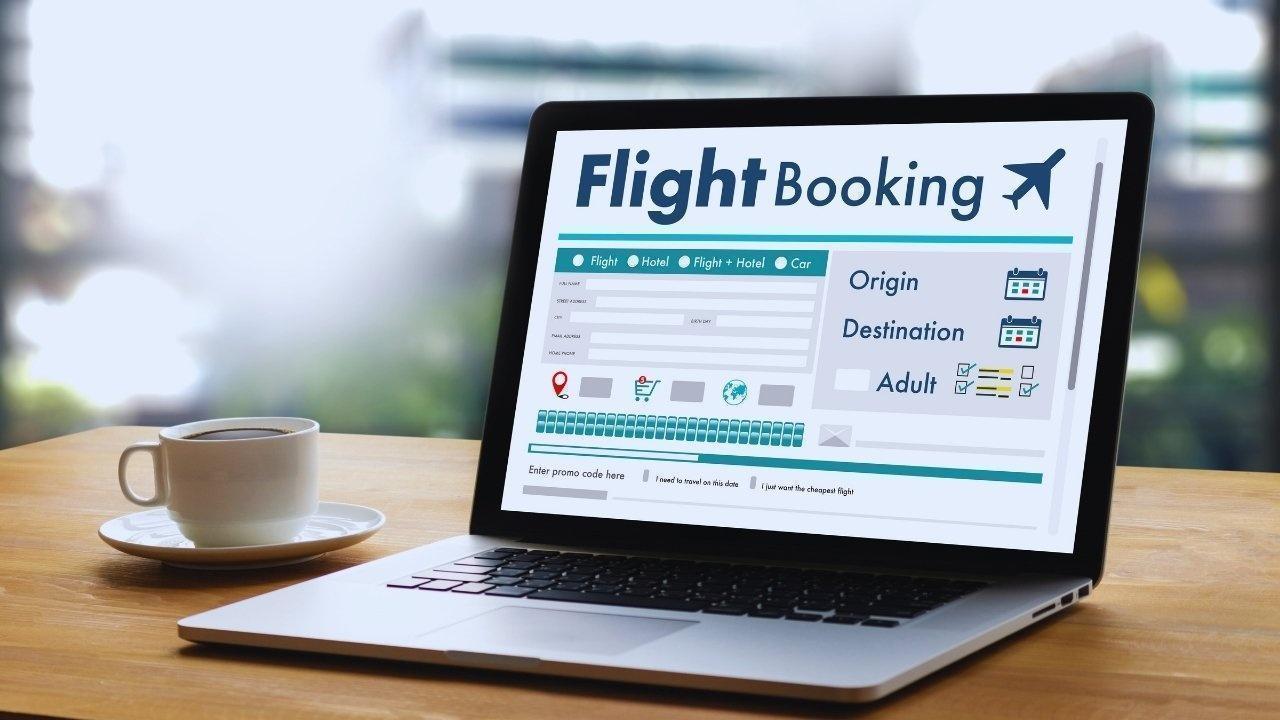
Global travel patterns shifted markedly in 2025. More frequent severe weather, airline staffing shortfalls, fuel price swings and regional tensions have altered planning habits. The long-held rule of always booking far in advance no longer applies for every trip; many travellers now favour last‑minute approaches to gain flexibility and value.
Airlines and hotels increasingly use live pricing and frequent rate adjustments, so choosing the right moment to purchase has become a practical skill. Whether you travel regularly for business or occasionally for leisure, knowing how to book amid ongoing disruption can reduce stress and expense.
The New Reality of Travel Disruptions
Disruptions are now a regular part of travel. Unstable weather, airport congestion and lingering staffing gaps have become common. Industry figures show about 32% of flights worldwide experienced delays or cancellations in the last quarter.
Those disruptions have driven operational changes: clearer rebooking tools, faster passenger communications and new contingency options. The challenge for travellers is to decide when to buy and when to wait.
Why Last‑Minute Doesn’t Always Mean Expensive
Last‑minute fares no longer follow a single rule. Modern pricing engines set rates using supply, demand and predictive signals rather than just departure dates.
Booking early still pays off for peak travel periods, such as holidays or major events. But for low‑demand routes, midweek departures or flights with excess seats, carriers sometimes cut prices close to departure. Hotels and rental properties likewise prefer a reduced rate to empty inventory.
Flexible travellers who track prices and use alerts can find substantial last‑minute savings, occasionally up to around 40% compared with advance bookings.
The Psychology Behind Airline Pricing
Airlines now run dynamic systems that factor in many inputs — from booking patterns to local conditions — and update prices often throughout the day.
Useful timing rules of thumb:
-
Six to eight weeks out: Best for travel during predictable busy periods such as holidays or conferences.
-
Ten to three days before departure: A common window for off‑peak bargains, including unsold premium seats.
-
Under 48 hours: Higher risk but can yield steep discounts as carriers try to fill remaining seats.
Choosing when to purchase should reflect route demand, seasonality and weekday effects.
Flexible Travelers Have the Edge
Travel flexibility is a clear advantage. Travellers who avoid rigid, far‑in‑advance plans can pivot quickly and capture better rates or alternatives when conditions change.
Options such as flexible date searches, multi‑city itineraries and open‑jaw tickets let travellers adapt without cancelling trips. Booking platforms increasingly reward flexibility with lower fares, credits or free date adjustments.
Technology Tools for Smarter Timing
Technology helps turn volatility into opportunity. Real‑time trackers, AI forecasts and immediate alerts make it easier to decide the right moment to buy.
Key tools include:
-
Price prediction apps: Forecast likely fare moves up to several months ahead.
-
Meta‑search platforms: Compare rates across many sellers for a full price view.
-
Flash deal alerts: Send instant notifications when fares drop below typical levels.
-
Airline loyalty apps: Provide early notice of sales, compensations or upgrade opportunities during disruptions.
Using these tools in combination helps travellers act quickly and with better information.
Understanding “Revenge Travel 2.0”
After the initial post‑pandemic surge, 2025 has seen a second phase of heightened demand that mixes spontaneity with planning. Many people now take shorter, more frequent trips that can be adjusted as conditions change.
This shift has increased last‑minute activity: carriers offer rolling discounts, hotels release same‑week inventory at lower rates and some cruise lines promote near‑departure packages. The market rewards speed and readiness.
The Importance of Real‑Time Decision‑Making
Because conditions can change quickly, timely action matters. A simple approach is to monitor prices and purchase when value appears.
Features like 24‑hour cancellation, hold options or pay‑later plans make it possible to secure fares without full commitment, blending flexibility with protection.
Accommodation Strategies During Disruptions
Hotels and rentals also adjust aggressively when demand shifts. Rather than leave rooms empty, many properties reduce rates close to arrival.
Effective tactics include:
-
Book same‑day after 4 PM: Unsold rooms are often released at steeper discounts.
-
Use mobile‑only offers: Apps frequently show 10–25% lower prices for mobile bookings.
-
Join loyalty schemes: Members can access rebooking priority and unpublished rates.
-
Mix property types: Combine a night in a higher‑end hotel with budget stays to manage cost.
This patchwork approach helps control expenses while preserving comfort.
Insurance and Protection: Your New Safety Net
With more frequent cancellations, delays and rule changes, travel insurance is increasingly essential. Modern policies extend beyond medical cover to include delay and cancellation protections.
Look for plans that offer:
-
Cancel‑for‑any‑reason options
-
Automatic rebooking assistance
-
Missed‑connection coverage
-
Compensation for travel disruptions
The right policy protects money and reduces stress when plans change.
The Role of Loyalty Programs in 2025
Loyalty programmes have adapted to offer more flexible benefits. Points and status now translate into practical protections: quicker rebooking, fee waivers and access to limited inventory during disruptions.
For frequent travellers, membership can mean faster service and better options when problems arise.
Environmental Impact and Conscious Booking
Environmental factors are increasingly part of booking decisions. Climate impacts, carbon pricing and sustainability credentials affect route choice and carrier selection.
Eco‑minded travellers prioritise:
-
Airlines using sustainable fuel blends
-
Hotels with verifiable green certifications
-
Routes with lower carbon footprints
Often, lower‑impact options also align with off‑peak timing, such as early flights or midweek departures.
Balancing Risk and Reward
Last‑minute booking carries trade‑offs. For time‑sensitive travel, booking early with flexible terms remains sensible. For leisure, openness to alternate dates or destinations can reveal strong savings.
Assess your tolerance for uncertainty and choose a strategy that matches your needs.
Expert Insights and Real‑World Examples
Analysts observe that acute disruptions can briefly depress prices before markets rebalance. Savvy travellers use those windows to secure higher‑class seats at lower fares or to reconfigure trips with minimal cost.
Business travellers are increasingly combining early accommodation bookings with last‑minute short‑haul flights to manage risk while retaining flexibility.
Conclusion
Last‑minute travel in 2025 is less about chance and more about timing, tools and preparedness. By using real‑time data, embracing flexibility and protecting bookings with suitable insurance, travellers can manage disruption and often find better value.
Adaptability is the prevailing advantage: informed, responsive travellers are best placed to turn volatility into opportunity.
Disclaimer:
This article is for informational purposes only. Travel prices, policies and disruptions vary by region and provider. Confirm details with airlines, travel agents or official sources before committing funds.


 English