Post by : Anis
Al-Rashid
High Stakes in the 3rd T20I
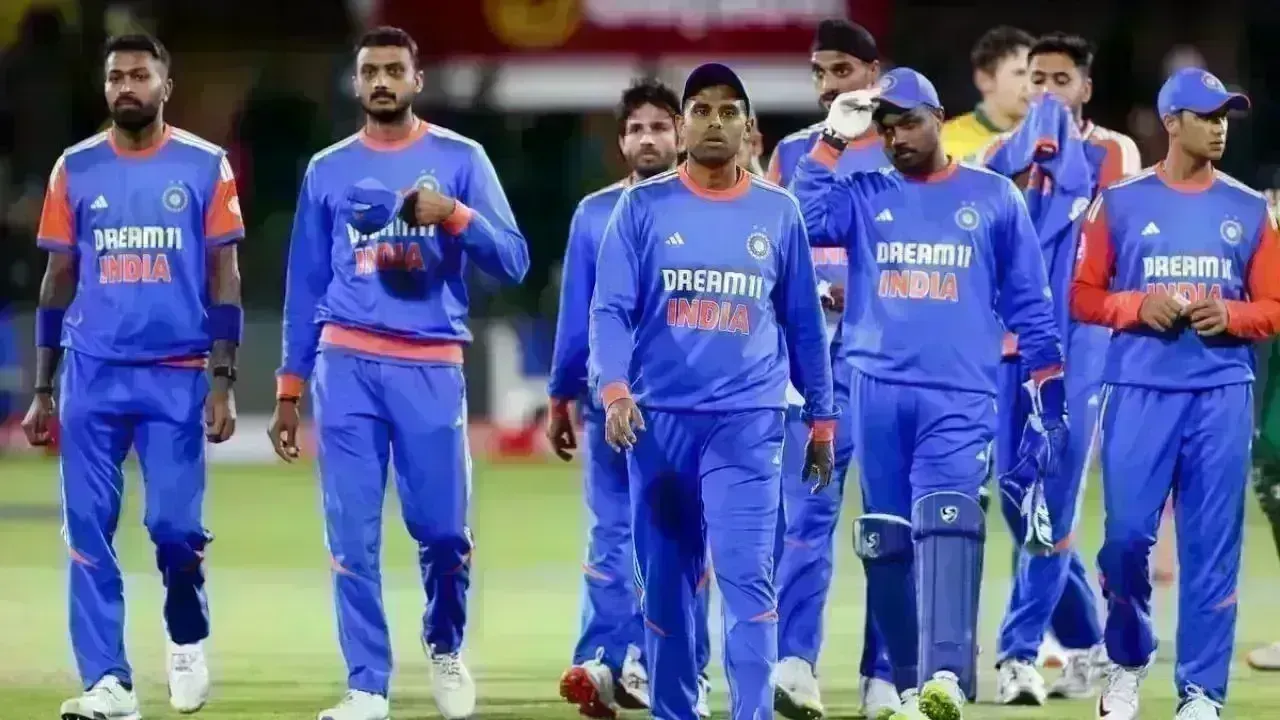
The 3rd T20I between India and South Africa held significant implications beyond the ordinary bilateral series. With the series finely poised, the match emerged as a pivotal moment, scrutinizing squad depth, leadership strategies, and flexibility under pressure. Fans filled the stands and tuned in, eager for a gripping contest, and they were not disappointed.
Both teams began the decider with differing advantages. India infused youthful dynamism mixed with seasoned players, while South Africa brought raw strength along with disciplined bowling. The atmosphere promised excitement.
Pitch and Weather: A Balanced Duel
Surface Aids Both Teams
The pitch offered a fair fight for both batters and bowlers. Initially, seamers found help, while those who settled in could exploit the surface well. As the play moved on, stroke-making became more feasible, though bowlers who altered their pace benefitted.
Weather Conditions Favorable
The playing conditions were mostly ideal, with little disruption. However, dew became a strategic factor as the evening progressed, affecting bowling strategies and field placements.
Toss and Strategy Insights
Crucial Call at the Toss
Winning the toss played a significant role, leading the captain to strategically decide whether to bat or bowl based on the pitch's characteristics. This move underscored a confident game plan rather than reactive choices.
Team Compositions Under Review
Tactical shifts were evident from both teams. India maintained faith in its young talents, while South Africa focused on a well-rounded setup, ensuring robustness in both their batting and bowling.
India’s Batting: From Steady to Explosive
Top Order Lays Groundwork
India’s top order approached the innings carefully at first, respecting the new ball before ramping up the pace. Their partnership ensured stability and warded off early wickets.
Middle Order Takes Control
The middle order effectively rotated the strike and capitalized on loose balls, maintaining pressure on the bowling attack and keeping the required run rate in check.
Crucial Partnerships Shift Momentum
A pivotal stand in the mid-innings allowed India to solidify their position, rallying forward into the closing overs with newfound confidence.
Late-Game Burst
India capped off their innings with aggressive batting and nimble running, accumulating runs in the final overs to set a challenging target.
South Africa’s Bowling Performance
Tight Lines During Powerplay
South African bowlers began strongly, keeping a tight line to prevent India from capitalizing on early opportunities. Swing and seam movement kept the batsmen in check.
Control in Middle Overs
The spinners and change bowlers applied pressure in the middle overs, forcing India into tough spots and calculated risks.
Pressure in Death Overs
Though there were bright moments for the bowlers, missed deliveries allowed India to seize critical runs as the innings closed.
South Africa’s Response: Power Meets Pressure
Intentional Chase Begin
South Africa started their chase with aggression, deploying power hitters to attack early overs, keeping the run rate within control.
India Strikes Back
As their chase progressed comfortably, India struck with timely wickets, applying pressure back onto the South African batting lineup.
Crucial Over Turns the Tide
A double wicket over proved pivotal, forcing South Africa into a period of reevaluation rather than continuing an aggressive approach.
India’s Bowling: Skill Meets Composure
Pace Attack Shines
India’s pace bowlers executed their variations effectively, keeping batters uncertain and delivering in clutch situations.
Spinners Tighten the Grip
Indian spinners played a crucial part during the middle overs, creating limit scoring opportunities and enabling breakthroughs.
Execution in the Final Overs
In the closing stages, calmness under pressure made a decisive impact. Accurate yorkers and cleverly disguised slower balls turned the game in India's favor.
Fielding: Critical Moments Matter
Catching and Ground Fielding Critical
Both teams demonstrated high standards in fielding, but India’s sharp catches and quick reflexes at ground level proved advantageous.
Costly Missed Opportunities
South Africa’s inability to convert chances weighed heavy in the chase, showing how small mistakes can flip the outcome in close T20 matches.
Highlighted Performers
India’s Key Contributors
India's triumph stemmed from a collective team effort, with remarkable contributions from both batting and bowling departments.
South Africa's Standouts
Despite their defeat, South Africa had commendable individual displays, particularly from their top-order and a bowler who consistently challenged the Indian lineup.
Tactical Movements and Leadership Insights
Captaincy Under Scrutiny
Attention turned to leadership choices regarding bowling changes and field placements. India’s captain showcased impressive composure during tense moments.
Adaptability Proves Key
India displayed the ability to adjust to fluctuating match circumstances, while South Africa struggled to recover after losing pivotal wickets.
Series Outlook: The Impact of the 3rd T20I
India Gains Momentum
The outcome of the 3rd T20I impacted the series, giving India a psychological edge as they move forward.
Reflections for South Africa
South Africa will analyze missed opportunities and performance under pressure—critical areas for improvement in upcoming contests.
Looking Ahead for Both Teams
Future Prospects for India
With a mix of youth and experience, India seeks to sustain this performance and maintain consistency in future formats.
South Africa: Rebuild and Comeback
South Africa remains a formidable squad. With some tactical adaptations and sharper execution, they are well-positioned to rebound strongly.
Conclusion: A Thrilling T20I In Rivalry
The 3rd T20I between India and South Africa became a fitting decider, filled with drama, skill, and competitive spirit. India’s poise in key moments ultimately decided the match, showcasing the intense balance of competition between both teams.
As the series unfolds, this match will stand out as a testament to how narrow margins can shape the storyline of contemporary T20 cricket.
Disclaimer
This article serves informational purposes only. Details of the match and performances are based on available information and may evolve as official records are established.


 English