Post by : Mariam
Al-Faris
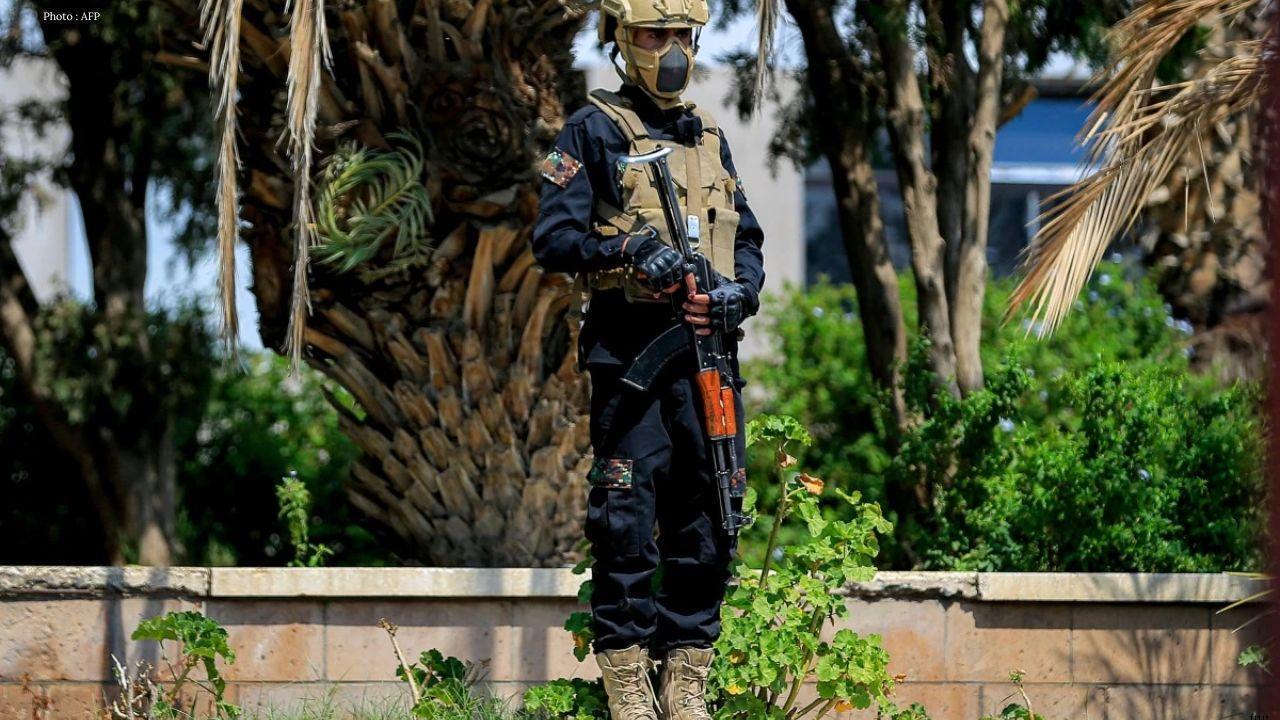
Bangladesh tightened security across the capital Dhaka on Saturday as police and paramilitary forces were deployed ahead of the funeral prayers of slain youth leader Sharif Osman Hadi. His killing has led to widespread unrest, violent protests, and attacks on media and cultural institutions, raising serious concerns about stability before the upcoming national elections.
Hadi, 32, was a young political leader and an election candidate. He was also a key figure in the student-led movement that removed former Prime Minister Sheikh Hasina from power last year. He was shot in the head by masked attackers in Dhaka last week while beginning his election campaign. After remaining on life support for six days, he died in a hospital in Singapore on Thursday night.
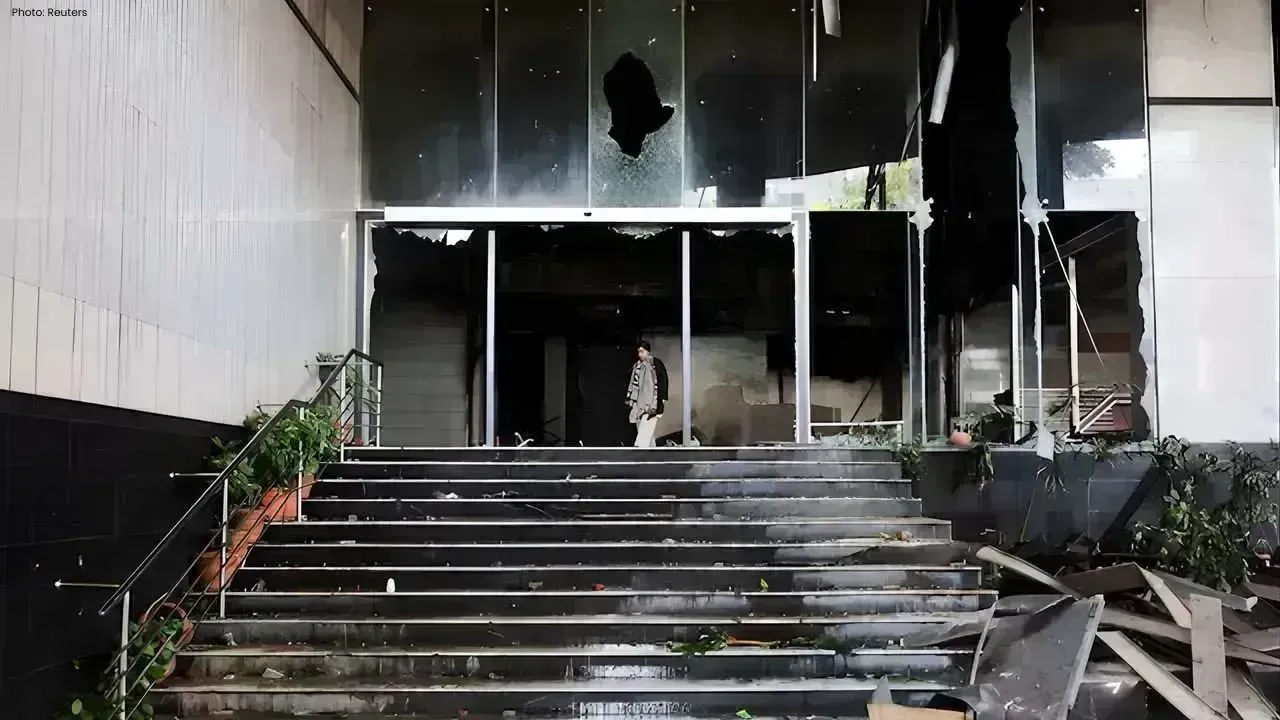
Following his death, parts of Bangladesh have seen rising violence. Organised mobs attacked newspaper offices and cultural organisations, creating fear among journalists, artists, and civil society members. These incidents have drawn strong criticism from local and international human rights groups.
Bangladesh is set to elect a new parliament on February 12. Many people see this election as a chance to bring political stability after nearly two years of unrest. However, repeated violent protests and political clashes have weakened hopes for a smooth democratic transition.
The interim government led by Nobel Peace Prize winner Muhammad Yunus declared Saturday a day of state mourning. The government urged citizens to stay calm and reject mob violence, warning that continued unrest could damage the country’s fragile democracy. Analysts say the situation has highlighted the challenges faced by the interim administration in maintaining law and order.
Human rights organisations strongly condemned the killing and the attacks on media houses. Human Rights Watch described Hadi’s murder as a serious crime and urged the authorities to act quickly to stop the violence. The group also warned that attacks on journalists threaten freedom of expression.
Bangladesh ranks low on the global press freedom index, and rights groups fear that continued violence could further shrink civic space ahead of the elections. Amnesty International called for independent and transparent investigations into Hadi’s killing and the attacks on journalists and media offices.
Protests continued in Dhaka’s Shahbagh area, where demonstrators demanded justice for Hadi. In another incident, protesters stormed the office of a leading cultural organisation. Violence also spread beyond the capital. In Chittagong, protesters attacked the Indian Assistant High Commission, showing rising anti-India sentiment after Sheikh Hasina fled to New Delhi following her removal.
Sheikh Hasina’s party, the Awami League, which has been barred from contesting the elections, has warned of further protests. Many fear that continued unrest could disrupt the voting process and deepen Bangladesh’s political crisis.


 English