Post by : Saif
Al-Najjar
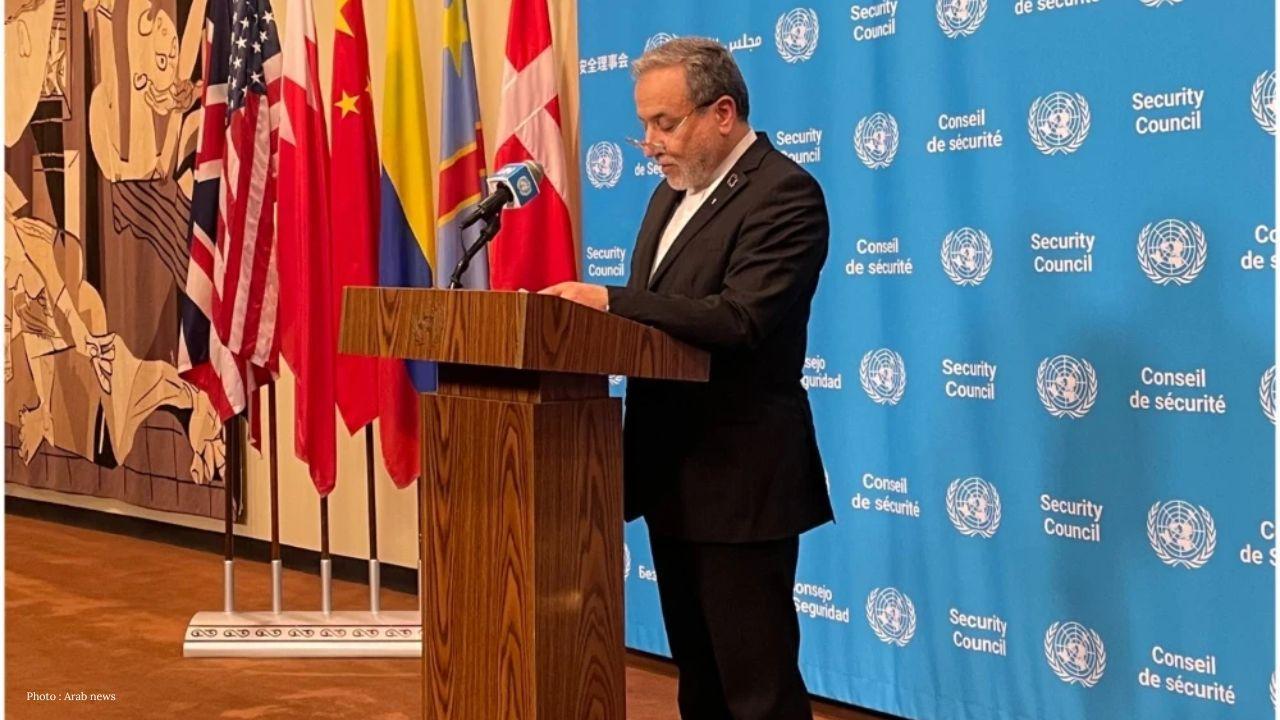
India is at the forefront of global diplomacy as it hosts a significant BRICS foreign ministers' meeting, coinciding with heightened tensions from the ongoing Iran conflict. This gathering in New Delhi is drawing international attention as participants prioritize discussions on regional security, energy challenges, and BRICS's evolving influence in politics worldwide.
The BRICS alliance, originally comprising Brazil, Russia, India, China, and South Africa, has seen expansions that now include new members from the Middle East, Africa, and Asia, thereby amplifying its global presence during critical times.
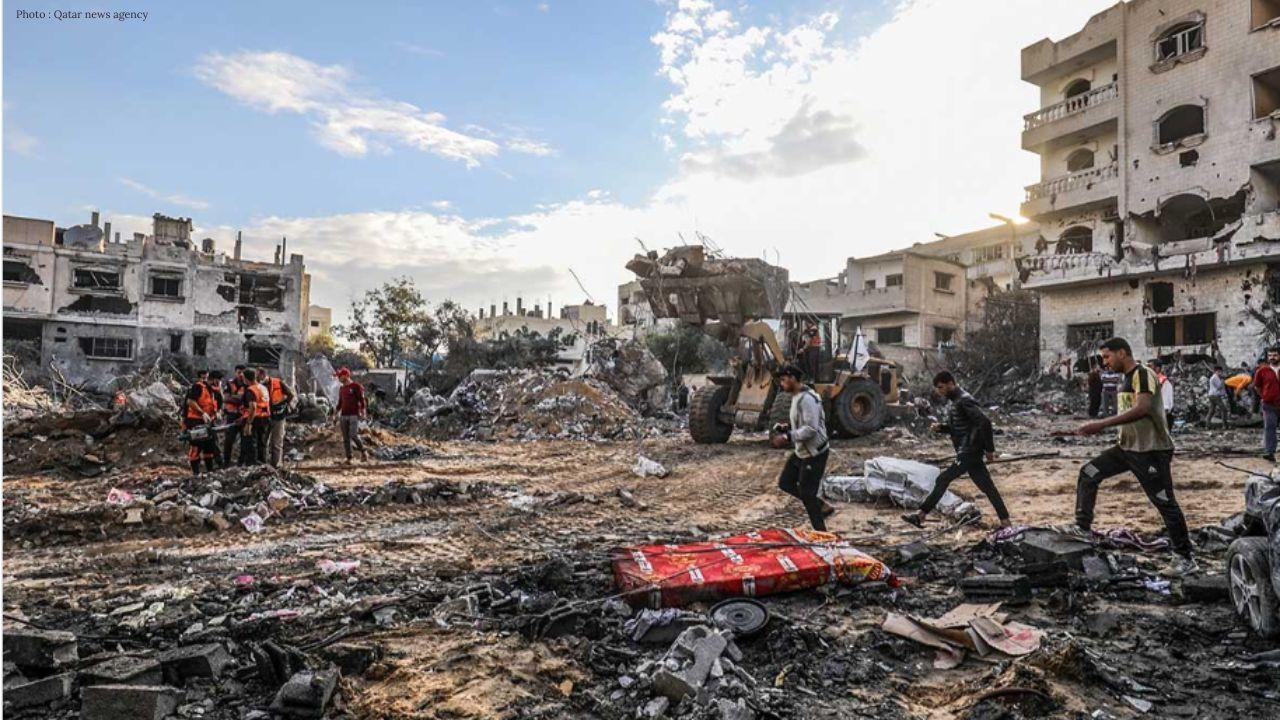
Given the current global climate, this year's meeting is particularly crucial. The Iran conflict is fueling concerns regarding regional unrest, soaring oil prices, and potential disruptions in global trade patterns, with many nations anxious about the repercussions of a broader conflict affecting energy supplies and economic stability worldwide.
India's role as the host is significant, attributed to its diplomatic relationships with numerous stakeholders in the crisis. New Delhi maintains strategic partnerships with Iran, Gulf states, Russia, Israel, and Western nations, positioning it as a unique facilitator for dialogue amid escalating tensions.
Energy security is slated to be a cardinal topic at the gathering. The ongoing crisis has raised alarms about the safety of vital oil shipping lanes such as the Strait of Hormuz, a region through which a significant portion of the world's oil is transported, making its stability crucial for global economic health.
With a substantial reliance on energy imports, the BRICS members are particularly vulnerable to fluctuations in fuel prices and supply chain interruptions, which could exacerbate inflationary pressures in both developing and developed economies. Hence, energy discussions are anticipated to remain a focal point throughout the deliberations.
The summit has exposed differing perspectives within BRICS itself, with some member nations adopting firmer stances on the Iran situation while others strive to uphold neutral diplomatic ties. This divergence underscores the complexities of achieving cohesion within such a diverse international coalition during times of global discord.
In spite of internal differences, BRICS is committed to representing the interests of developing nations and emerging markets. Many within the organization perceive it as a platform offering an independent space for voices often overshadowed by traditional Western powers.
India's proactive strategy emphasizes collaboration among BRICS nations on varied subjects including trade, technology, climate adaptation, and global governance reforms. The New Delhi meeting bolsters India’s image as a key diplomatic influencer on the world stage.
The presence of senior diplomats from various nations underscores the significance of the discussions ahead, encompassing not only the Iran conflict but also issues surrounding economic partnerships, regional peace, and upcoming global hurdles.
In light of the current international climate, diplomatic engagement has never been more crucial. Conflicts, trade wars, and economic uncertainties are reverberating across nations, placing additional responsibilities on international entities like BRICS to showcase their capacity for managing these urgent challenges through effective dialogue.
The meeting represents a chance for India to enhance its leadership role among developing countries, which it has strategically pursued in bridging relationships between established global powers and emerging economies.
Experts suggest the future of BRICS hinges on the organization's ability to navigate significant global crises while harmonizing the diverse interests of its member nations. As expansion continues, the challenge of sustaining unity—while increasingly vital—may also become more formidable.
This assembly in New Delhi mirrors a shifting global political landscape where new alliances are taking shape. Nations are eager for stronger cooperation on energy security, trade reliability, and regional tranquility in an era marked by growing international unpredictability.
Hence, the BRICS foreign ministers' meeting transcends ordinary diplomatic engagements, evolving into a crucial platform for tackling issues of conflict, economic resilience, energy provisions, and the future trajectory of global governance.


 English