Post by : Shweta
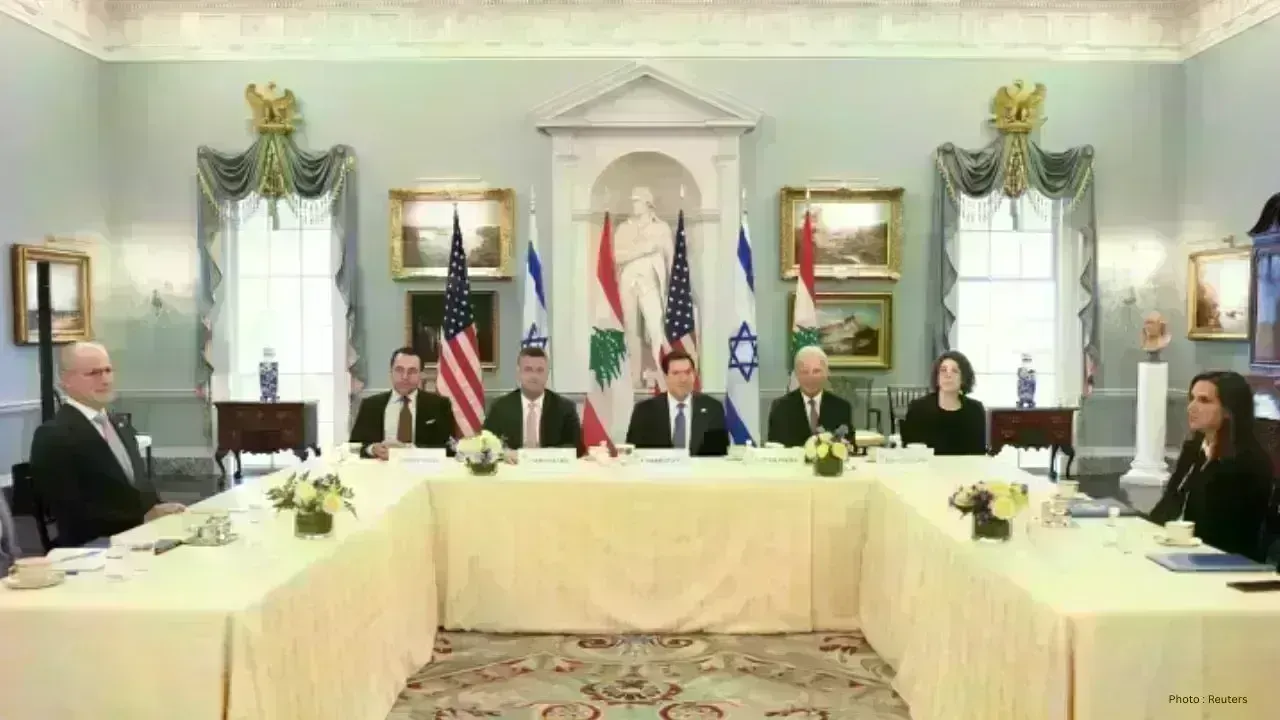
In a bid to maintain peace, Israel and Lebanon have agreed to extend their tenuous ceasefire for an extra 45 days, following the third round of indirect negotiations aimed at mitigating the potential for a border conflict. Insiders have characterized the ceasefire as “porous,” noting that sporadic gunfire and other security incidents have persisted despite previous agreements designed to curb violence.
The recent dialogue involved mediators facilitating discussions between representatives from both countries as tensions linger near the southern Lebanese border. Diplomats indicate that this extension will provide a crucial window for dialogues surrounding military engagement, border security, and humanitarian issues, while also working to avert a larger regional conflict.
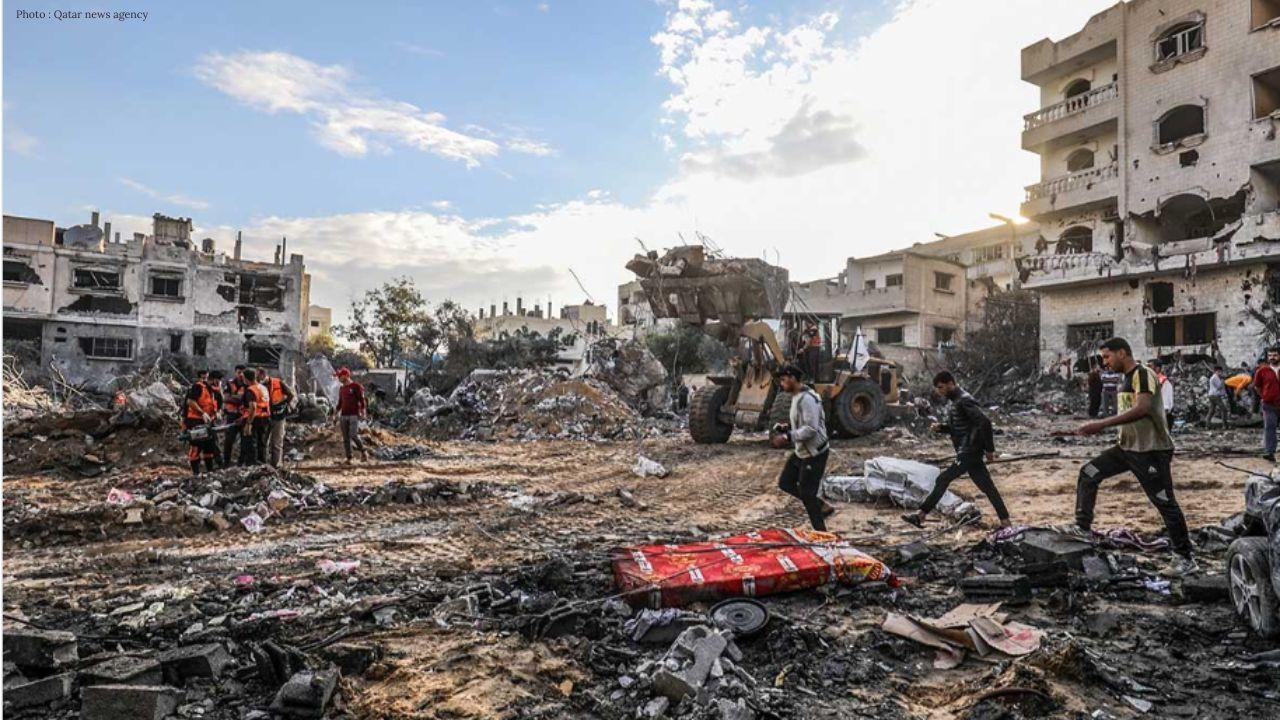
Repeated clashes between Israeli forces and various armed factions in southern Lebanon have heightened fears of a broader war in the Middle East over recent months. Cross-border incidents, including rocket strikes and military operations, have severely tested the underlying ceasefire agreements, leading to significant civilian displacement on both sides.
Participants in the negotiations confirm that both sides remain committed to observing the ceasefire, even in the face of lingering distrust. International mediators have advocated for this extension, cautioning that a resumption of large-scale hostilities could unleash further instability and exacerbate the precarious security situation in the region.
The ceasefire's tenuous nature is underscored by prevailing doubts regarding the likelihood of achieving lasting peace. Experts predict that intermittent skirmishes may continue during this extension, particularly if tensions heighten due to political developments or military activities elsewhere.
Humanitarian groups have raised alarms over the plight of civilians residing near the border, with many communities suffering from repeated displacements, infrastructure loss, and subsequent socioeconomic challenges since the spike in cross-border tensions. Aid organizations stress that ongoing uncertainty complicates the recovery and normalcy for these affected families.
Various international stakeholders, including the United States and France, have continuously encouraged both parties to exercise restraint. Preventing a full-scale war between Israel and Lebanon remains a pressing concern, as further conflict could disrupt regional trade and security dynamics.
Experts acknowledge the intricate nature of these talks, as the underlying political and military challenges fueling the conflict remain unresolved. Issues such as border disputes and militant activity continue to affect not only the negotiations but also military strategies in the area.
Despite these complexities, diplomats view this ceasefire extension as a significant move that minimizes the immediate escalation of tensions and keeps dialogue channels active. Ongoing discussions are anticipated in the ensuing weeks, as international mediators strive for a more secure and enduring agreement.


 English