Post by : Shweta
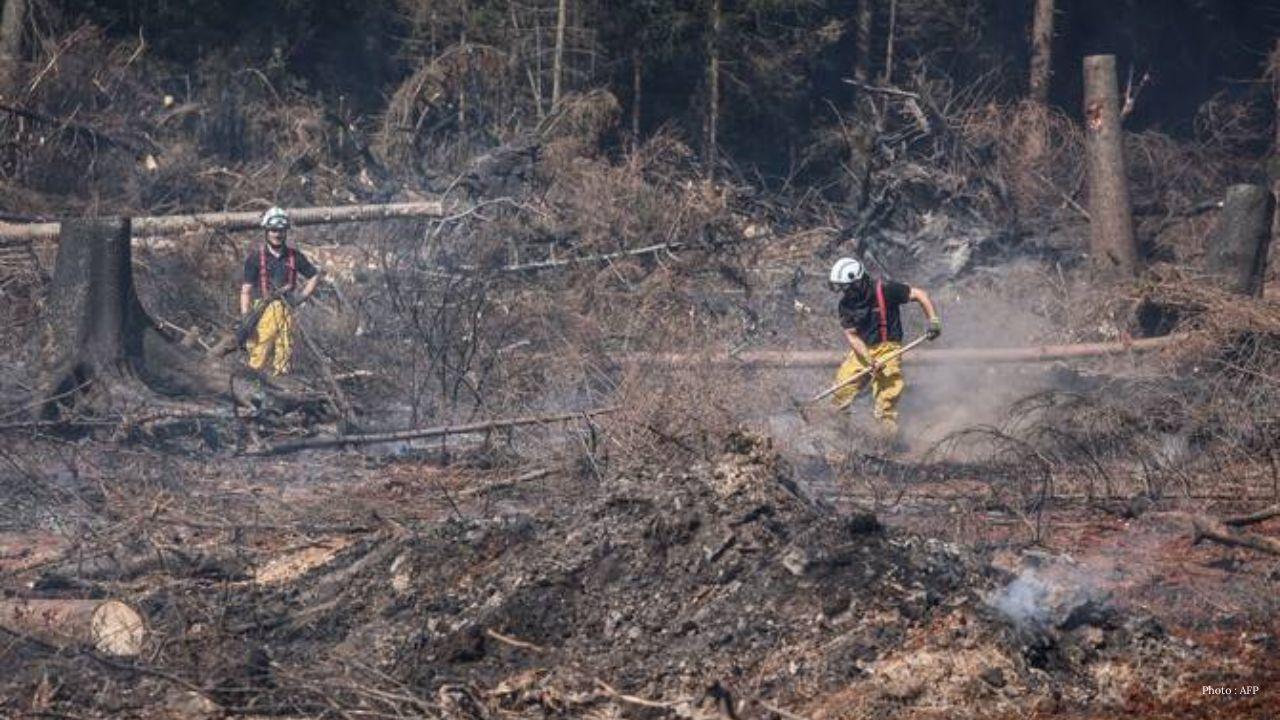
Wildfires spreading across Europe this summer are revealing a dangerous legacy of the two world wars. Buried bombs, mines and other unexploded weapons have been exposed or triggered by intense heat in parts of France, Belgium, Germany and the Netherlands.
The danger is particularly serious in areas that were major battlefields during World War I and World War II. Firefighters responding to wildfires can unknowingly enter areas containing old ammunition, while extreme heat may increase the possibility of some buried explosives detonating.
Climate Change Is Increasing the Risk
Experts say climate change is contributing to the problem by creating hotter, drier conditions that make wildfires more intense. Flames can destroy vegetation covering old ammunition, while drought can expose weapons that have remained buried for decades.
This year's European fire season was also influenced by heavy rainfall earlier in the year, which encouraged vegetation growth. That vegetation later became fuel during periods of high temperatures, low humidity and strong winds.
Belgium Faces Thousands of Explosive Remnants
Belgium remains particularly familiar with the problem because large parts of the country were battlefields during both world wars. In the High Fens region near the German border, firefighters have had to consider the presence of buried wartime explosives while dealing with wildfire conditions.
Belgium's Explosive Ordnance Disposal and Destruction Service responds to more than 3,000 calls each year and removes hundreds of tonnes of old munitions. Former battlefield areas around Ypres and other regions continue to produce unexploded weapons during farming and construction work.
Wildfires Trigger Explosive Discoveries
In France, a wildfire near Bordeaux reportedly exposed what is believed to be World War II-era ammunition. In Germany and the Netherlands, authorities have also faced concerns about unexploded weapons in areas affected by fires.
The risk is not limited to land. Falling water levels caused by drought have also revealed wartime weapons. Authorities in Slovakia recovered naval mines from the Danube, while a World War II bomb discovered near a bridge in Budapest led authorities to temporarily close the area.
Firefighters Face a New Hazard
Experts warn that unexploded ordnance becomes especially concerning during wildfires because extreme heat can affect old explosive material. Emergency crews therefore need to consider historical battlefield records and possible contamination before entering some burned areas.
The discoveries also demonstrate how climate change can expose hazards that had remained hidden for generations. Researchers say the legacy of past conflicts is becoming visible again as changing weather conditions alter forests, rivers, lakes and soil.


 English