Post by : Anis
Al-Rashid
Commemorating a National Hero
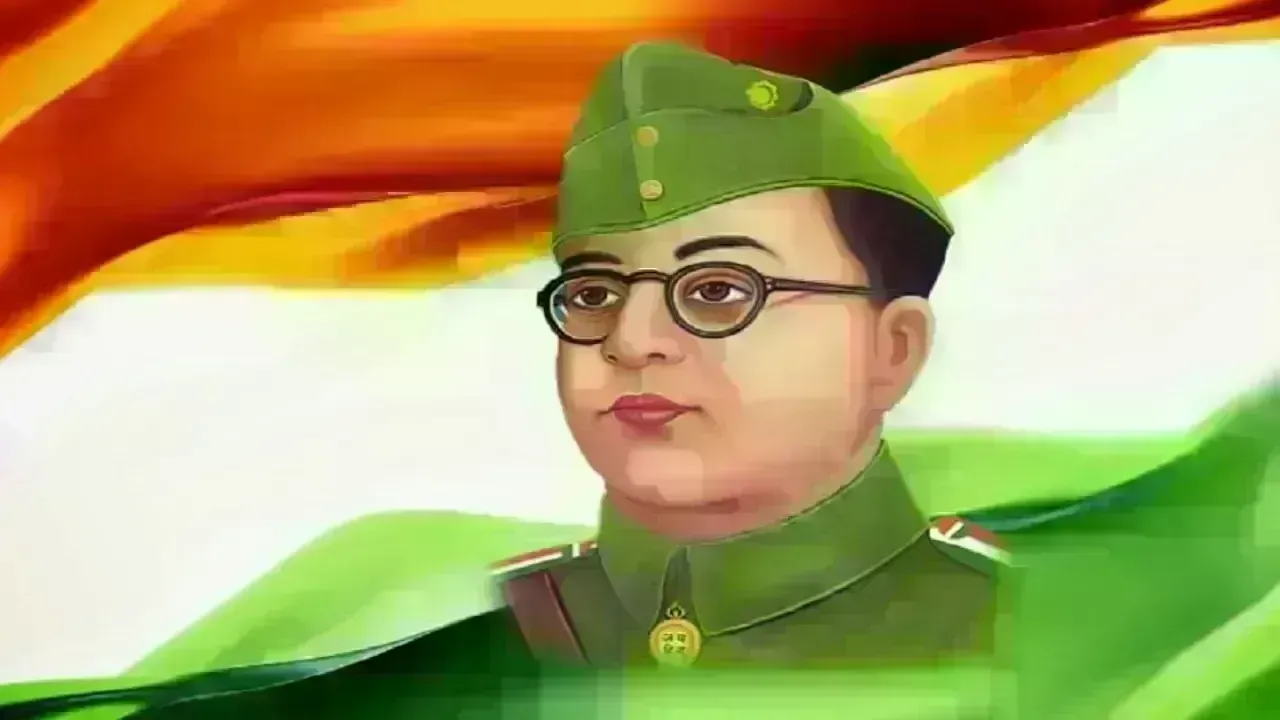
On 23 January, India pays homage to Netaji Subhas Chandra Bose, a key figure in the country's freedom struggle. In 2021, the Indian government designated this day as Parakram Diwas to recognize his remarkable courage, foresight, and dedication to the nation. As we approach his 129th birth anniversary in 2026, it becomes essential to reflect on his enduring legacy and its significance today.
Netaji Subhas Chandra Bose: Origins and Ideals
Early Years and Education
Netaji Subhas Chandra Bose was born on 23 January 1897 in Cuttack, Odisha. Growing up in a well-educated household, Bose displayed academic excellence early on. He completed his schooling in India before heading to England for the Indian Civil Services (ICS) exam. Although he excelled, he chose to abandon a successful civil service career to join the independence movement.
Path to Nationalism
Upon returning to India, Bose joined the Indian National Congress, quickly ascending the ranks due to his fervent nationalism and inspiring speeches. His philosophy favored active resistance over passive approaches, famously stating that dignity and freedom must be achieved through collective effort, which characterized his political journey.
Leading the Freedom Movement
Presidency of the Indian National Congress
Bose served as President of the Indian National Congress in 1938 and 1939. However, differences with the party's leadership over non-violence compelled him to resign. His strategic vision for a more aggressive approach against British rule distinguished him from other freedom fighters.
Establishment of the Forward Bloc
After stepping down from Congress, Netaji founded the Forward Bloc in 1939 to unite anti-British factions in the fight for freedom. This organization played a pivotal role in rallying youth and stimulating nationalist fervor nationwide.
The Indian National Army (INA)
Bose’s most significant legacy was his command of the Indian National Army (Azad Hind Fauj), which he restructured with the help of Indian expatriates and captured soldiers from World War II. The INA fought alongside Japan, inspired by Bose’s powerful call: “Give me blood, and I shall give you freedom.” This approach demonstrated his unwavering commitment to independence and inspired millions.
Parakram Diwas: Importance and Observance
National Recognition and Significance
The Indian government officially recognized Netaji’s birth anniversary as Parakram Diwas in 2021, focusing on values like courage and dedication. This observance serves as a motivational reminder of Netaji’s fearless leadership. In 2026, celebrations across India include multiple events organized by the Ministry of Culture, with the central event held at Sri Vijaya Puram in the Andaman and Nicobar Islands.
Nationwide Observations and Tributes
Civic and National Events
Across the country, government bodies, cultural institutions, and citizens organize events to celebrate Netaji’s legacy. Activities such as flag hoisting, patriotic cultural programs, essay competitions, and exhibitions illustrating his life are held in educational institutions, aiming to inspire a sense of patriotism in young minds.
Engagement by Political Leaders
Political figures, including the Vice-President of India, participate in various commemorative functions nationwide, paying respects to Netaji. In 2026, the Vice-President visited Odisha and West Bengal, regions significant to Bose's history, to engage in Parakram Diwas celebrations.
Lasting Legacy and Impact
Inspirational Leadership
Netaji Subhas Chandra Bose’s influence extends well beyond India’s independence movement. His commitment to self-belief, strategic foresight, and collective sacrifice continues to resonate today. Bose inspires modern leadership emphasizing courage over convenience and unity over individualism.
Cultural and Educational Impact
Bose’s narrative features prominently in academic discussions, cultural expressions, and patriotic events. His personal sacrifices, well-articulated strategies, and indomitable spirit are examined through books, documentaries, and public discourse, ensuring his legacy guides future generations in their pursuit of bravery and service.
Continued Relevance and Discussion
Mysteries Surrounding His Disappearance
Even after nearly eight decades since his disappearance in 1945, discussions about Netaji’s final days remain prevalent. Various historical accounts and recent calls from his family for the Indian government to repatriate his remains from Japan reflect the ongoing respect and fascination surrounding his legacy.
Political Debates and Dialogue
The selection of Parakram Diwas as a day of celebration has ignited political discourse, with some suggesting alternate names for commemorative significance. Such deliberations showcase the evolving narratives of history and their impact on collective memory.
Netaji’s Enduring Message for the Youth
Netaji’s life exemplifies how determination, strategic action, and principled leadership can alter historical trajectories. His famous slogans and disciplined approach to the freedom struggle continue to inspire new generations, especially youth leaders. Educational initiatives frequently incorporate his story to instill values of courage, unity, and dedication to the nation.
Conclusion: A Legacy of Inspiration
On the 129th birthday of Netaji Subhas Chandra Bose, celebrated as Parakram Diwas on 23 January 2026, we honor his contributions and remind ourselves of the values that fueled India’s fight for freedom. As the nation celebrates his legacy, it reaffirms its commitment to his ideals of fearless leadership, strategic vision, and deep patriotism. By recognizing his contributions, India looks not only to its past but also to its future.
Disclaimer: This piece aims to educate and inform, reflecting historical accounts of Netaji Subhas Chandra Bose without endorsing any political view.


 English