Post by : Raina
Al-Fahim
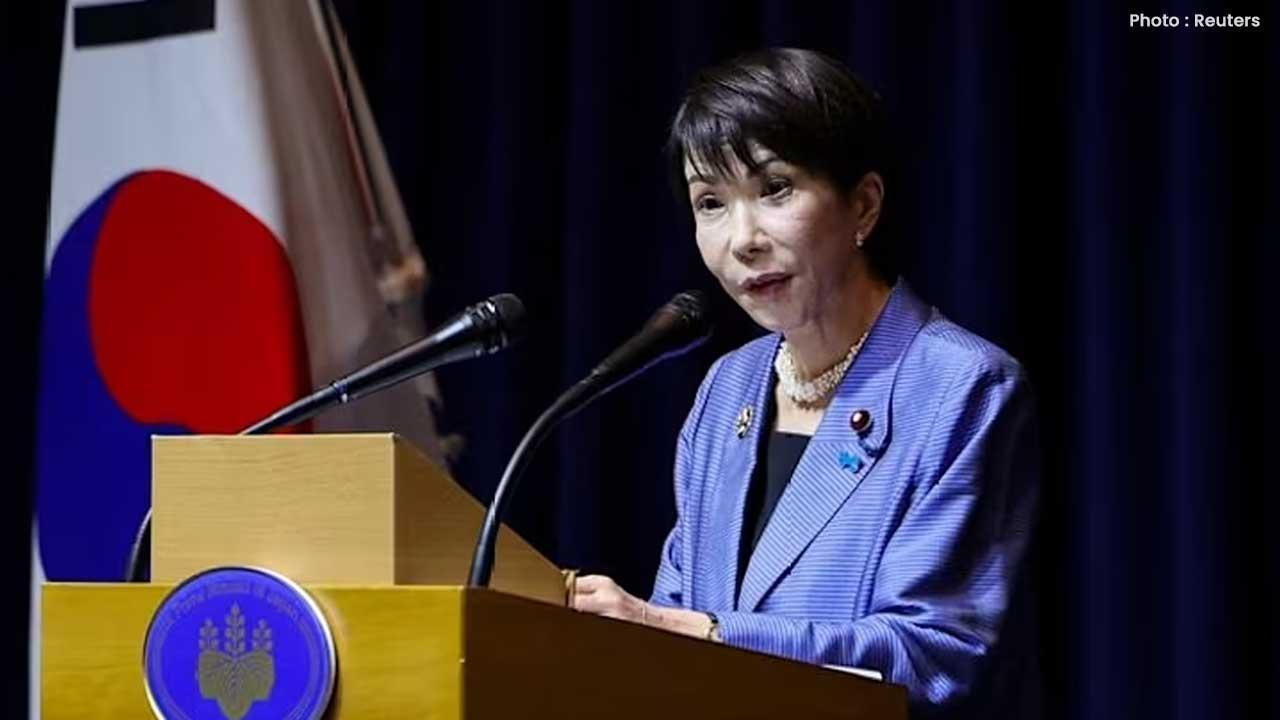
In a significant move, China has cautioned its citizens against traveling to Japan, escalating a diplomatic crisis sparked by Japanese Prime Minister Sanae Takaichi’s comments regarding Taiwan. This exchange marks one of the most intense standoffs between the two nations in recent years, involving high-level diplomats and generating public concern.
The friction initiated last Friday when Takaichi suggested in the Japanese Parliament that Japan’s Self-Defense Forces might be deployed if tensions arise in the Taiwan Strait, labeling such a scenario as a “survival-threatening situation” under security laws permitting military action in defense of allies.
Beijing condemned her remarks as “egregious,” asserting that they represent a significant overreach into China’s internal matters. The situation worsened when Xue Jian, the consul general in Osaka, reposted a sensational Japanese article with the inflammatory remark that the “dirty head that sticks itself in must be cut off,” inciting outrage in Tokyo and perceived as a threat towards Takaichi.
Japan quickly filed a formal protest and called for action against Xue. In response, Beijing issued its own protests, labeling Takaichi’s statements as crossing a perilous threshold. Despite mounting diplomatic pressure, Takaichi stood firm, maintaining her position aligns with Japan’s historical view on Taiwan.
On Thursday, China’s foreign ministry heightened rhetoric, warning Japan in both Japanese and English to “stop playing with fire.” Chinese Vice Foreign Minister Sun Weidong summoned Japan’s ambassador in Beijing, condemning Takaichi’s comments as “extremely wrong and dangerous” and demanded their retraction, threatening that Japan would “bear all consequences” if they refused.
Japan’s ambassador reasserted that Tokyo’s standpoint on Taiwan is unchanged, advocating for a peaceful dialogue to resolve issues.
The situation escalated further when the Chinese embassy in Tokyo advised its citizens to refrain from traveling to Japan due to “blatantly provocative remarks regarding Taiwan.” This unusual travel advisory reflects Beijing’s intention to extend the conflict into public perception.
Historical Context Amplifies Tensions
This confrontation has rekindled historical grievances, as China referenced Japan's wartime actions, cautioning that if Tokyo “fails to draw lessons from history,” it might “pay a bitter price” given China’s military capabilities.
Japan’s ties with Taiwan and its alliance with the United States add complexity to the situation. Takaichi, recognized for her hawkish stance towards China, has frequently warned that a blockade of the Taiwan Strait could pose a direct threat to Japan. Her political rise and alignment with the U.S. have already alarmed Beijing.
China’s concerns stem from its claim over Taiwan, which it views as a part of its territory. The U.S. and Japan have historically adopted a posture of “strategic ambiguity” regarding their potential response to an invasion. Takaichi’s recent remarks break from Japan’s usual caution, marking her as one of the few leaders to directly advocate military involvement.
Earlier this month, China criticized Takaichi for engaging with a Taiwanese official at the APEC summit, claiming it violated the “one-China principle.”
Underlying Sensitivities of the Comments
For China, any foreign statements defending Taiwan are perceived as interference in sovereignty. Conversely, Japan views Taiwan’s proximity and its security significance as critical to national defense.
The Chinese foreign ministry asserted that Takaichi’s remarks amounted to “gross interference” and cautioned Japan against challenging China’s core interests.
Japan reiterated that dialogue, rather than aggression, should steer relations across the Taiwan Strait.
Potential Regional Instability
This incident highlights the fragile nature of regional politics. With both nations exchanging public warnings, summoning ambassadors, and escalating rhetoric, analysts remain concerned about the potential for misjudgments that could exacerbate instability in the region.
As the situation unfolds, the global community is watching attentively as China and Japan, two key powers in Asia, face one of their most heated encounters in years, with Taiwan at the heart of a deepening geopolitical divide.


 English