Post by : Shakul
China's decision to significantly reduce its oil imports has emerged as a key factor in stabilizing global energy markets during the ongoing tensions linked to the Iran conflict. While many analysts feared a severe oil supply shock after disruptions in the Strait of Hormuz, crude prices have remained lower than expected, providing relief to consumers and businesses worldwide.
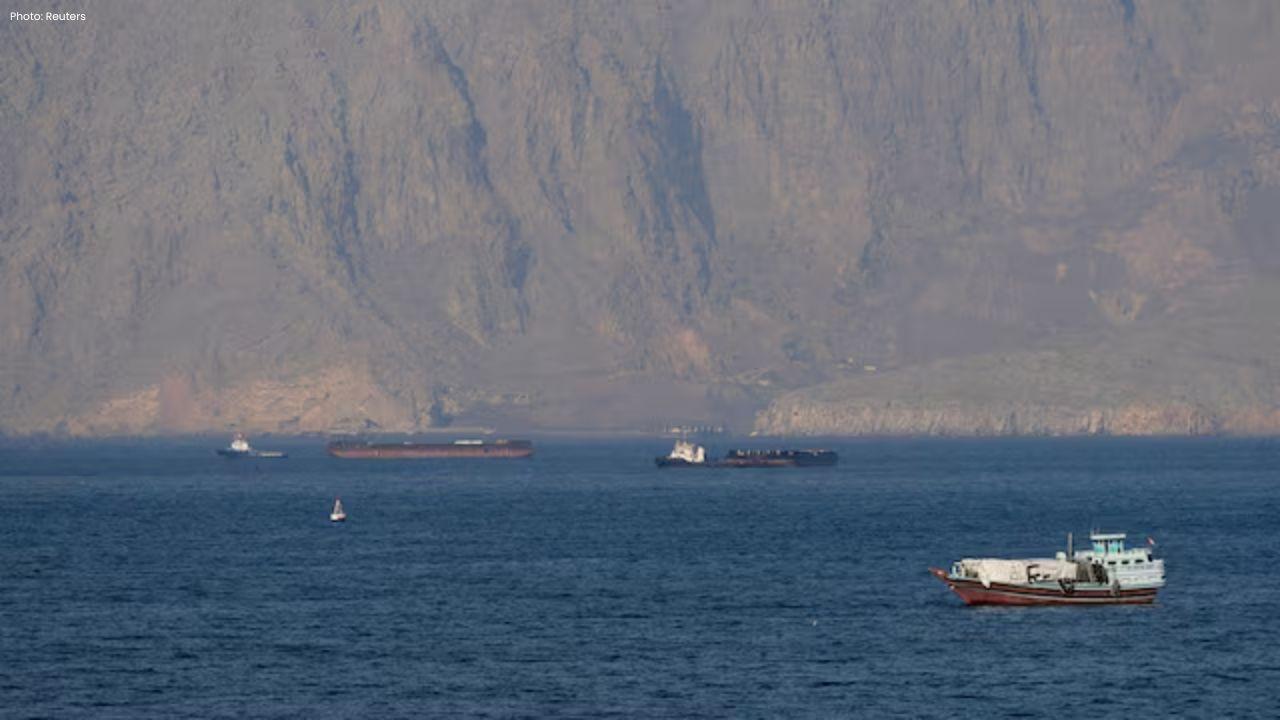
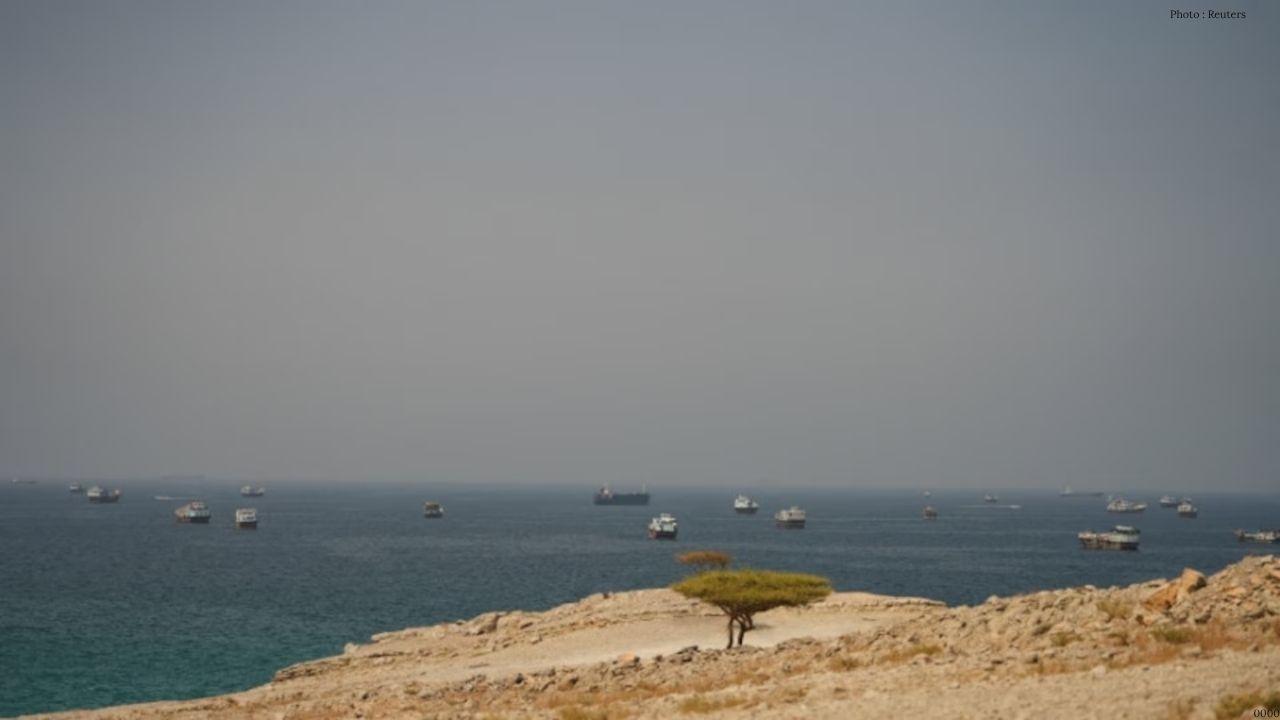
When military tensions in the Middle East escalated and shipping through the Strait of Hormuz was disrupted, approximately 10 million barrels of oil exports per day were affected. The uncertainty pushed fuel prices sharply higher, with oil briefly climbing above $126 per barrel as traders anticipated a prolonged supply crisis.
However, global markets avoided a more dramatic spike largely because China reduced its oil imports from around 11 million barrels per day to approximately 7.7 million barrels. According to customs data, the reduction of nearly 3 million barrels per day effectively offset a significant portion of disrupted global demand and helped ease pressure on international oil supplies.
The move did not trigger major disruptions within China because the country had built substantial strategic and commercial oil reserves over recent years. Much of this stockpile was accumulated through discounted purchases from countries such as Iran, Russia and Venezuela, allowing Beijing to rely on existing inventories instead of purchasing expensive crude from international markets.
China's long-term investment in electric vehicles and high-speed rail infrastructure has also reduced dependence on imported oil. Millions of consumers have shifted toward electric transportation, while expanded rail networks have reduced demand for domestic air travel and fuel consumption across the country.
Despite the short-term benefits, experts caution that China's reserves are not unlimited. Reports indicate that supplies of key petrochemical feedstocks, including ethylene, are beginning to tighten. Even if inventory drawdowns increase substantially, current reserves may only be sufficient to cover demand for several more months.
The situation highlights China's growing influence on global energy markets. By adjusting import volumes and utilizing strategic reserves, Beijing has played an unexpected role in cushioning the world economy from a potentially larger oil shock while broader geopolitical tensions continue to unfold in the Middle East.


 English