Post by : Saif
Al-Najjar
Despite a ceasefire proclaimed by Moscow for Victory Day, Russia and Ukraine are still engaged in hostilities, highlighting the challenges of achieving lasting peace in the ongoing conflict. The recent bouts of fighting raise apprehensions about potential escalation and the diminishing chances for diplomatic resolution.
The ceasefire was announced as part of Victory Day events, an essential celebration in Russia that commemorates the Soviet Union's triumph over Nazi Germany during World War II. However, both nations quickly accused each other of breaching the fragile agreement shortly after it began.
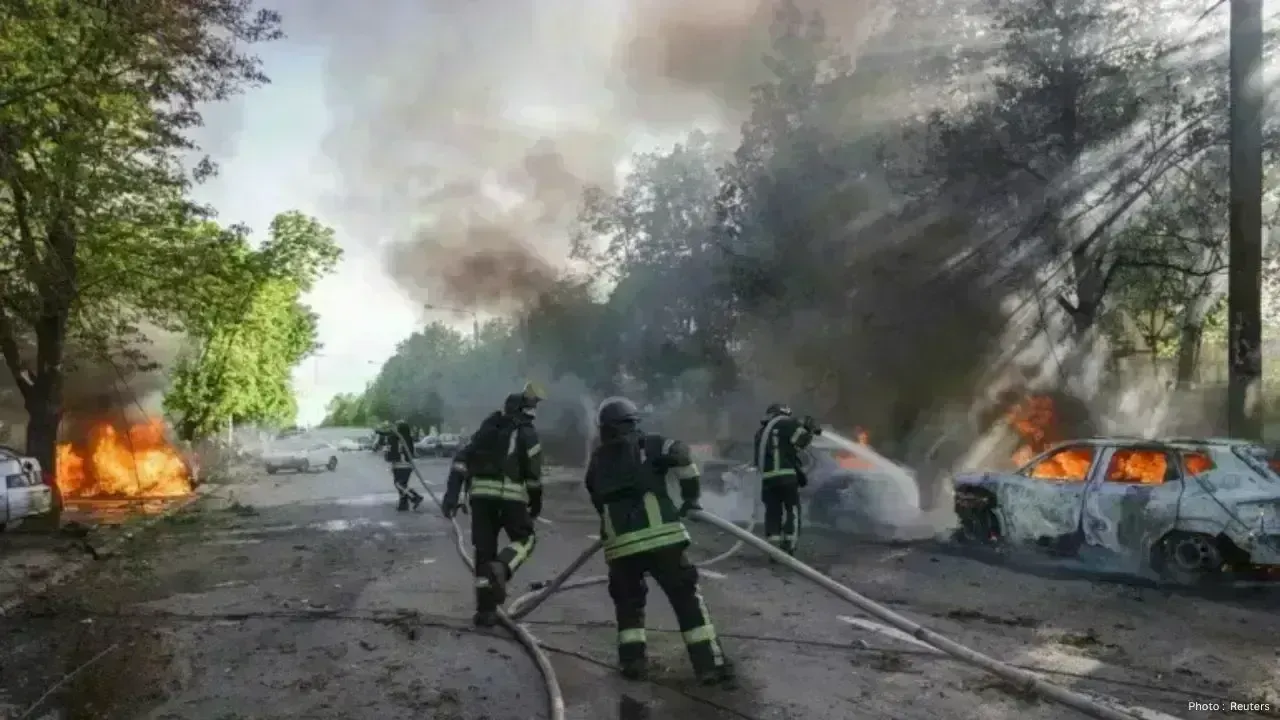
Reports indicated explosions, shelling, and drone strikes occurred in various areas even with the ceasefire in effect. Ukrainian officials asserted that Russian military actions persisted in the eastern and southern parts of Ukraine. Concurrently, Russia claimed that Ukraine was conducting attacks on regions under Russian control as well as border zones.
This continued conflict underscores the profound mistrust that has developed between both sides over four years of strife. Efforts for peace dialogue remain stalled while military operations continue across numerous fronts.
The war, which started in 2022, has inflicted widespread destruction, claiming thousands of lives among both soldiers and civilians, displacing millions, and causing extensive damage to cities and towns. Its ramifications are felt globally, impacting economies and political landscapes.
Victory Day is a significant event in Russia, where large-scale military parades and commemorative activities take place annually. President Vladimir Putin has often associated the conflict in Ukraine with Russia's historical battle against fascism during World War II, a narrative that Ukraine and Western nations strongly contest.
Ukrainian authorities have maintained that mere temporary ceasefires are insufficient, emphasizing that a full withdrawal of Russian forces is essential for any meaningful peace discussions. They have also criticized Moscow for leveraging ceasefire announcements for political or military gain.
In turn, Russia blames Ukraine and its Western allies for extending the conflict via military aid and supplies. The war has increasingly intertwined with a broader geopolitical tug-of-war involving NATO and Western nations.
The recent ceasefire breaches highlight the difficulty in fostering trust between the two nations. Even humanitarian pauses and exchanges of prisoners have frequently encountered obstacles during the war.
Experts indicate that both sides continue to deploy drones, missile systems, artillery, and advanced surveillance technology to exert pressure on the battlefield, making this conflict one of the most tech-savvy in modern history.
The ongoing hostilities are impacting global economic markets and international security, influencing energy prices, food supplies, defense budgets, and geopolitical tensions across the board.
Numerous international leaders and humanitarian organizations have repeatedly urged for talks and peaceful resolution. However, entrenched political differences and military aims on both sides remain roadblocks to sustainable diplomatic solutions.
The conflict has reshaped Europe’s security landscape, prompting NATO countries to bolster defense budgets and military readiness in response to heightened fears of instability and potential future threats.
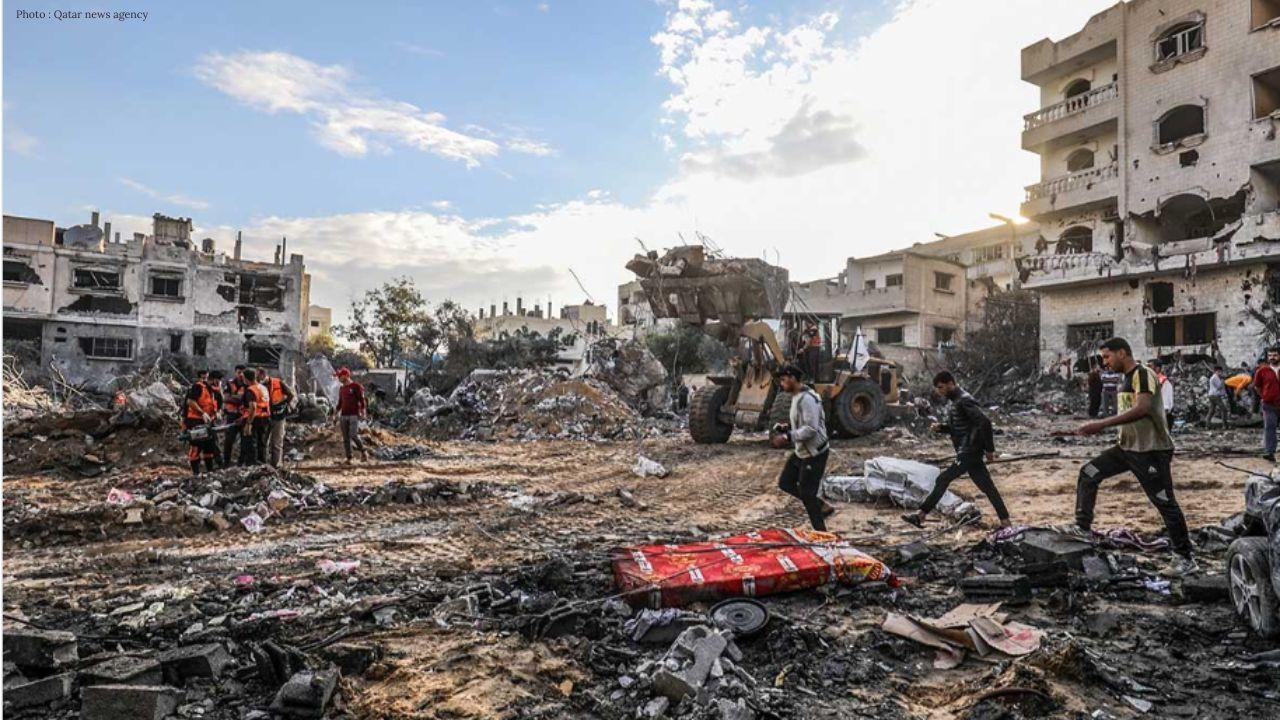
Civilians are bearing the brunt of the violence, with numerous homes, schools, hospitals, and infrastructures damaged. Humanitarian groups have warned that millions still require urgent medical assistance and shelter due to the protracted conflict.
The ongoing exchange of strikes during the Victory Day ceasefire clearly indicates that the Russia-Ukraine war is far from settling. Despite occasional peace calls, both nations are preparing for a prolonged struggle with no imminent political resolution in sight.
As hostilities persist, the global community remains watchful, hoping that diplomatic initiatives can eventually alleviate tensions and prevent further devastation in the area.


 English