Post by : Anis
Al-Rashid
Defence Procurement: Beyond the Basics
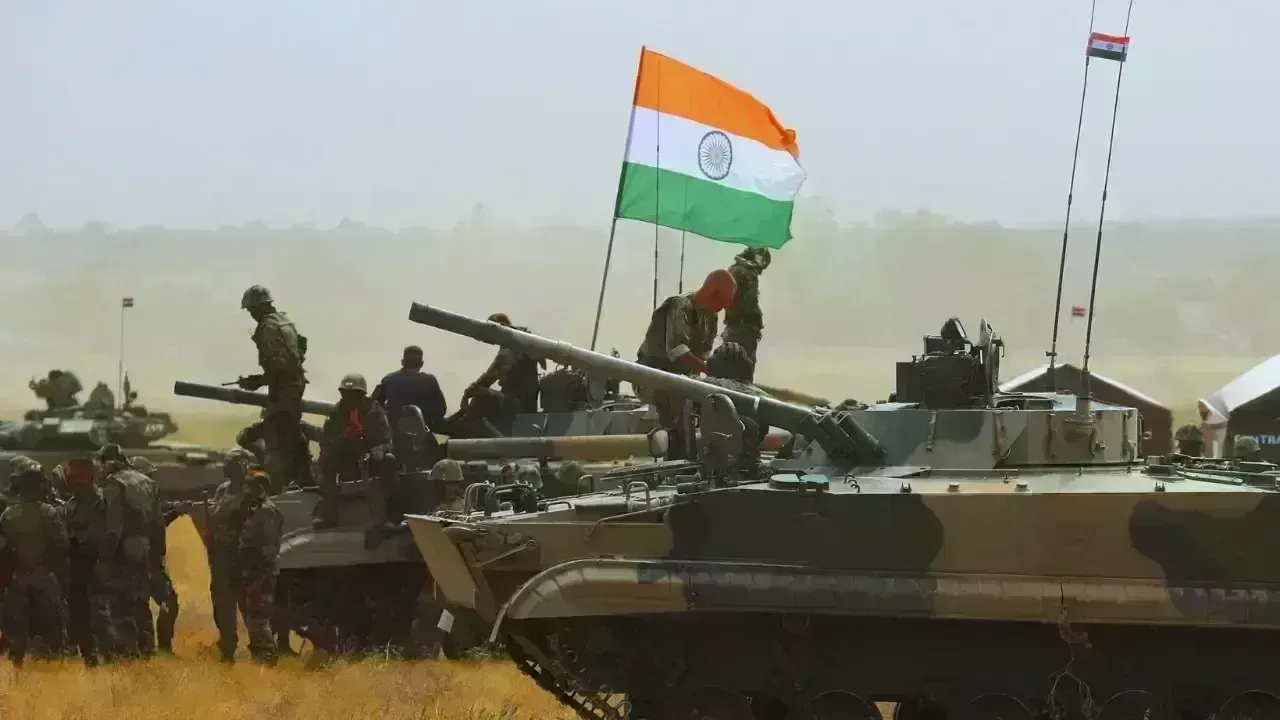
Defence procurement transcends the mere acquisition of weapons. In the current geopolitical landscape, every signed contract or approved platform conveys significant messages to both allies and adversaries. India’s recent defence procurement announcement has captured attention not just for its financial implications, but for its role in reshaping the nation's strategic posture.
In an era of shifting global power dynamics and regional tensions, India is striving to balance military readiness with strategic independence. The latest procurement decisions represent a crucial intersection of these goals.
These announcements are part of a larger narrative regarding India's positioning in a rapidly changing global landscape.
Insights into the Recent Defence Procurement
Key Announcements
The updated procurement strategy incorporates approvals and enhancements covering diverse platforms for the Army, Navy, and Air Force. Prioritization has been given to multi-domain readiness, ensuring robust capabilities across land, sea, air, cyber, and surveillance domains.
Strategic Significance
While defence updates are customary, the current timing and context heighten its relevance. The decisions align with evolving threat perceptions and India's military modernization goals, moving beyond immediate operational needs.
The Importance of Timing in Defence Procurement
Challenges in Regional Security
Ongoing border disputes, maritime competition, and emerging hybrid threats underscore the complexity of India's security environment. Today's procurement choices target current risks and anticipated challenges over the next two decades.
Realignments in Global Power
With major nations reassessing commitments, India’s defence decisions illustrate an acute awareness of this evolving landscape.
Focus on Indigenous Production
Promoting Domestic Manufacturing
A pivotal aspect of this update is the emphasis on domestic platforms and locally manufactured parts, aligning with India's objective to lessen import reliance and cultivate a sturdy defence industry.
Strategic Independence through Production
Indigenous manufacturing represents not only an economic aim but a strategic one, enhancing control during geopolitical strains when supply lines might falter.
Balancing Imports with Indigenous Development
Selective Global Collaborations
While prioritizing indigenization, India still engages selectively with foreign suppliers for advanced technologies currently unavailable domestically, ensuring capability continuity while nurturing local systems.
Technology Transfer as a Strategy
Instead of outright imports, India typically seeks technology transfers and local assembly, altering conventional buyer-seller dynamics into long-lasting collaborations.
Conveying Messages to Global Powers
Reassuring Strategic Partners
The procurement strategy engages partners, promoting cooperation and regional stability while avoiding obligations to any military coalition.
Deterrence Signals to Opponents
Enhanced capabilities signal a commitment to safeguarding interests across diverse theatres, reinforcing deterrence.
Strengthening Armed Forces Synergy
Jointness Across Services
The procurement decisions underscore a growing commitment to joint operations among security forces, increasingly focusing on the ability of platforms to operate across multiple domains.
Future-Ready Capability Development
The update emphasizes the need for adaptability and preparedness against non-traditional threats rather than just legacy systems.
Naval Focus and Indo-Pacific Strategy
Maritime Security Considerations
Naval enhancements demonstrate India's strategic priority on maritime security and power projection within the Indian Ocean region.
Geopolitical Messages to Neighbors
Bolstering naval capabilities conveys India’s commitment to act as a net security provider within its maritime environment.
Aerial Capability Advancements
Modernizing Air Forces
Recent procurement initiatives emphasize maintaining air superiority, surveillance, and responsive action, crucial in a region where air power serves a pivotal deterrent function.
Harmonizing Numbers with Advanced Technology
Instead of merely increasing numbers, India is prioritizing capability enhancement through networked systems and force multiplies.
Army Modernization and Preparedness
Tailoring to Specific Terrain Challenges
Procurement choices are influenced by insights gained from operating in varied terrains. The focus is on mobility, logistical support, and effective situational awareness.
Incorporating Tactical Technology
Emphasis is placed on enhancing soldier capabilities and battlefield awareness through technology beyond major platform acquisition.
Strategic Spending and Budgetary Prudence
Understanding Financial Implications
While defence budgets often attract attention for sheer size, the emphasis should be on efficient allocations, as this update suggests a shift towards value-driven expenditures.
Long-Term Cost Awareness
Procurement decisions increasingly take into account lifecycle costs and maintenance, reflecting economic pragmatism.
Geopolitical Messaging without Provocation
Strengthening Deterrence, Avoiding Escalation
This procurement update aims to enhance deterrence without escalating tensions, indicating a carefully calculated approach.
Maintaining Diplomatic Flexibility
Through supplier diversification and self-reliance, India retains its diplomatic leverage in a polarized global landscape.
Impact on the Global Defence Landscape
India as a Vital Defence Market Player
India's procurement choices have repercussions on global defence markets, influencing partnerships and production strategies.
Shifting Dynamics for Suppliers
Traditional suppliers confront heightened competition as India expands its sourcing approaches, providing local enterprises with significant opportunities.
Fostering Domestic Defence Enterprises
Encouraging Local Industry Growth
The focus on indigenous procurement opens new avenues for Indian defence manufacturers, startups, and micro, small, and medium enterprises (MSMEs).
Promoting Innovation and Skill Development
Long-term contracts and consistent demand incentivize investment in research, skill enhancement, and modern manufacturing techniques.
Enduring Challenges
Timeliness and Execution Gaps
While announcements lay the groundwork, implementation delays have historically hindered defence modernization efforts.
Bridging Technology Deficits
Close monitoring is needed to address critical technology deficits, necessitating consistent policy support and international partnerships.
Operationalizing Strategic Autonomy
From Strategy to Action
India’s long-discussed strategic autonomy is being concretized through this procurement update.
Upholding Resilience in Uncertainty
This autonomy not only boosts resilience but also ensures India is less susceptible to external pressures during global turmoil.
Implications for India’s International Position
A Confident Security Stance
The update illustrates a growing assurance in India's capacity to navigate its security landscape while remaining engaged on the global stage.
Bolstering Security Credibility
A transparent and systematic procurement approach enhances India's status as a dependable security collaborator in both regional and global contexts.
Future Considerations
Monitoring Implementation Progress
The speed and efficiency of transitioning these procurements from approval to action will define their significance.
Ensuring Policy Stability
Continual political backing will be key to sustaining forward momentum.
Conclusion: Procurement as Strategic Dialogue
The recent defence procurement announcement by India serves as strategic dialogue. Through its announcement strategy, India signifies readiness without aggression, autonomy without isolation, and ambition founded on realistic objectives.
In today’s landscape, where resilience is as vital as firepower, these procurement choices illustrate a nation carefully asserting its position on the global stage. The underlying message is discernible: India aims to safeguard its interests on its own terms, selecting partners strategically and not out of necessity.
Disclaimer
This article is intended for informational and analytical purposes only. It does not serve as defence, security, or investment advice. Defence procurement policies and decisions may change in response to strategic, fiscal, and operational dynamics.


 English