Post by : Anis
Al-Rashid
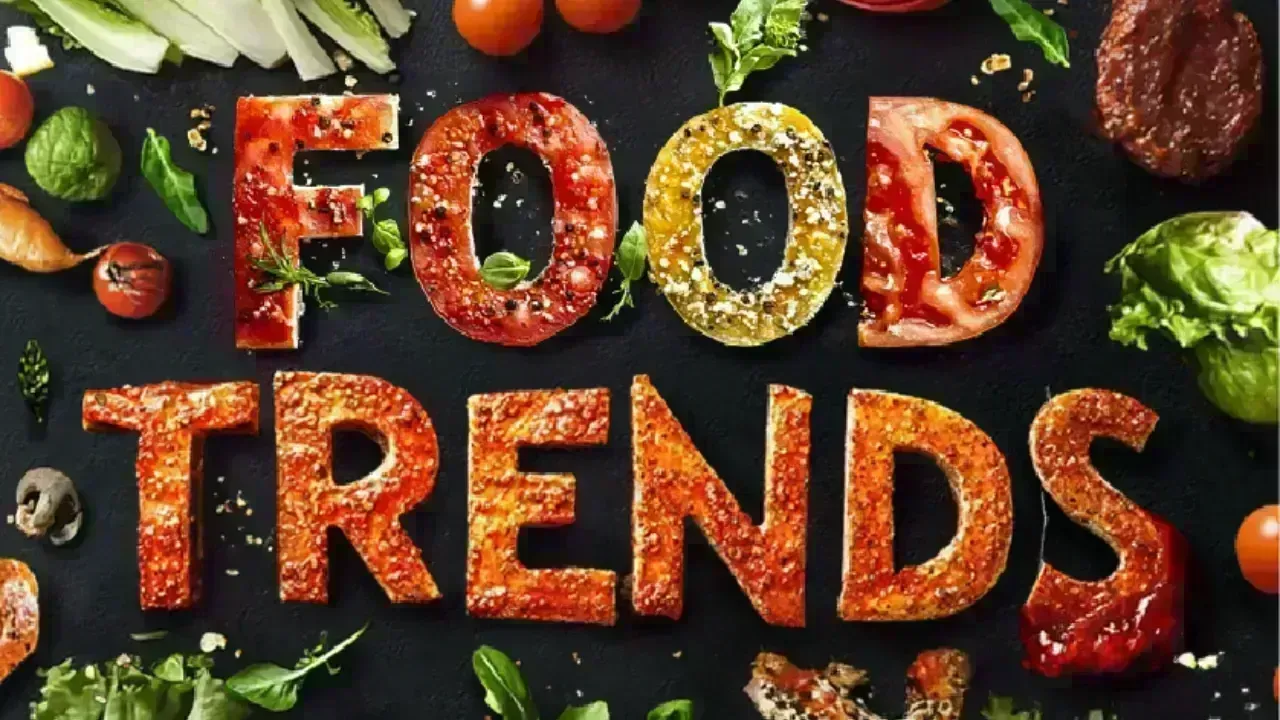
The food trends of 2026 transcend mere novelty, mirroring significant shifts in environmental concerns, health consciousness, economic constraints, technological advancements, and evolving cultural attitudes. Today's culinary landscape, while seeming familiar, is guided by sustainability and data just as much as it is by flavor.
This year marks a significant change in how food is perceived. Eating has evolved beyond simply satisfying hunger; it's now a representation of identity, ethics, and a strategy for long-term wellness. The manner in which ingredients are sourced and meals customized reveals a fundamental transformation from just a few years prior.
Food with Purpose Over Flavor
One of 2026's key developments is the shift towards functional foods designed to serve specific roles in bodily health. Meals are increasingly evaluated not just on taste or calorie count but on their tangible benefits.
The concept of functional eating has gained traction in mainstream markets, shifting from niche circles. Customers now anticipate their food to promote immunity, improve gut health, enhance concentration, boost sleep quality, and manage stress. Menus focus more on outcomes than on flavors, and labels highlight health benefits over ingredient lists.
Driven by a rising mistrust in reactive healthcare, many opt for preventative nutritional choices over prolonged medical interventions, placing food at the forefront of health management.
Personalized Nutrition Takes Center Stage
In 2026, generic dietary recommendations are losing their relevance. As consumers realize that one-size-fits-all solutions rarely yield consistent results, personalized nutrition plans tailored to individual lifestyle data, metabolism, and food sensitivities are emerging.
Even without advanced testing, many are basing their food selections on how items make them feel, moving away from prescribed eating guidelines.
This transition has led to a growing tendency for adaptive eating frameworks over rigid diets, as choices increasingly reflect personal intuition backed by data.
The Growing Popularity of Alternative Proteins
In 2026, alternative proteins have established distinct identities rather than merely mimicking traditional meats.
New protein sources are being incorporated into classic recipes as essential components rather than substitutes. Characteristics like sustainability, nutrition, and texture have taken precedence over mere imitation.
Today's consumers are now more focused on the value food contributes rather than what it replaces. A diverse protein palette is considered a strength, particularly among urban families facing price fluctuations and environmental considerations.
Sustainable Eating Becomes the Norm
In 2026, climatic awareness is not just a marketing gimmick but the standard expectation. Climate-conscious choices are seamlessly integrated into everyday eating habits.
Shoppers are increasingly selecting foods based on resources like water and land use, along with transparency in supply chains. This shift influences their weekly shopping habits.
Preference for locally sourced seasonal foods now stems from resilience rather than nostalgia, as shorter supply chains promise greater accessibility and fewer interruptions.
Prioritizing Hyper-Local and Micro-Seasonal Foods
The global availability of food has shaped expectations for access at all times. However, in 2026, this mindset is gradually shifting.
Micro-seasonal eating—enjoying locally available foods instead of those tied to traditional seasons—is gaining traction. Menus are now driven by local harvests instead of predefined seasons.
This method reduces reliance on imports, emphasizing freshness over scarcity, creating a stronger connection to local contexts.
The Emergence of Hybrid Diets
Rigid dietary categories are fading; today, people embrace flexible food philosophies.
One household might opt for plant-based meals throughout the week while indulging in comfort foods over the weekend, shifting diet plans according to personal needs. This highlights a cultural transition from ideology-driven diets to adaptability.
These hybrid eating patterns emphasize flexibility over strict definitions, making long-term adherence more feasible.
Redefining Comfort Food
With stress a persistent element in daily life, food's emotional significance has transformed. In 2026, comfort food is not vanishing; it's evolving.
Classic comfort meals are being reimagined to feel lighter and cleaner without compromising on familiarity or satisfaction. Both texture and aroma hold as much value as nutritional content.
This evolution doesn't mean forgoing indulgence; it’s more about redefining what comfort truly means.
Ultra-Processed Foods Under Scrutiny
Today’s consumers are more discerning about food processing than ever before. In 2026, ultra-processed items face scrutiny not due to convenience, but because of their lack of transparency.
There's a growing rejection of unrecognizable ingredients; simplicity has regained prominence as a mark of trust.
Though processed foods won’t disappear completely, they must now demonstrate transparency and justify their role through functionality.
Reviving Fermentation and Slow Cooking
In this fast-moving world, slow cooking methods are experiencing a resurgence—not from nostalgia, but from necessity.
Fermented goods, artisanal breads, and preserved foods are increasingly valued for their gut benefits, longevity, and rich flavors, aligning both with wellness ambitions and reduced waste.
What was once seen as traditional is now viewed as innovative.
Digital Influence on Food Trends
In 2026, food exploration occurs as much through digital channels as in kitchens. Visual storytelling shapes expectations regarding flavor, texture, and presentation.
While trends spread rapidly, they also fade quickly; successful food trends seamlessly fit into daily routines without demanding constant novelty.
The most impactful trends are those that require minimal reasoning while offering maximum utility.
Mindful Eating Becomes Contextual
Language surrounding food is evolving. Narratives surrounding guilt are becoming less popular.
Rather than categorizing foods as “good” or “bad,” discussions now emphasize situational context. Food choices are adjusted based on one’s mood, energy, health, and circumstances.
This change has fostered healthier relationships with food, especially among younger consumers who prefer balance over strict rules.
Authenticity in Food Choices
Food continues to express identity, but the emphasis on performance has decreased.
Individuals are less concerned about showcasing their diets and more about ensuring that they resonate with their lifestyle. Subtle consistency has taken the place of overt declarations.
This evolution has led to more authentic eating behaviors and fewer cycles of extreme restriction or indulgence.
Economic Influences on Dining
Economic challenges and inflation have a significant impact on culinary choices in 2026. Value is now defined not by quantity but by versatility.
Ingredients that can be adapted for various uses across meals are given precedence. Reducing waste is viewed as a practical necessity rather than a mere dietary discipline, rekindling interest in foundational cooking skills.
Emerging Food Literacy
People increasingly wish to comprehend their food choices.
Education around cooking, ingredient sourcing, and basic nutrition is becoming a part of cultural values, aiming not to turn everyone into skilled chefs, but to instill confidence in home cooking.
Food seems less daunting when knowledge replaces uncertainty.
Conclusion: Understanding These Trends
The food trends of 2026 highlight a crucial notion: eating is becoming increasingly intentional.
Rather than pursuing perfection, individuals are aligning their choices with health, principles, environmental considerations, and pleasure.
Food has evolved past simple sustenance to a mindful decision rooted in awareness, limits, and values.
Future Outlook
These emerging trends are here to last. They signify transformative shifts in societal perspectives on food.
As climate challenges escalate, technology evolves, and health awareness amplifies, the future of eating will undergo continuous transformations. The most notable shift isn’t solely about dietary choices, but rather about how consciously people choose to eat.
Food in 2026 resonates as quieter, more intelligent, and deeply personal. This evolution will likely shape the culinary landscape well into the future.
Disclaimer:
This article is intended for informational purposes only and does not represent dietary or medical guidance. Individual nutritional requirements can vary significantly, and readers are encouraged to seek advice from qualified professionals for personalized recommendations.


 English