Post by : Meena Hassan
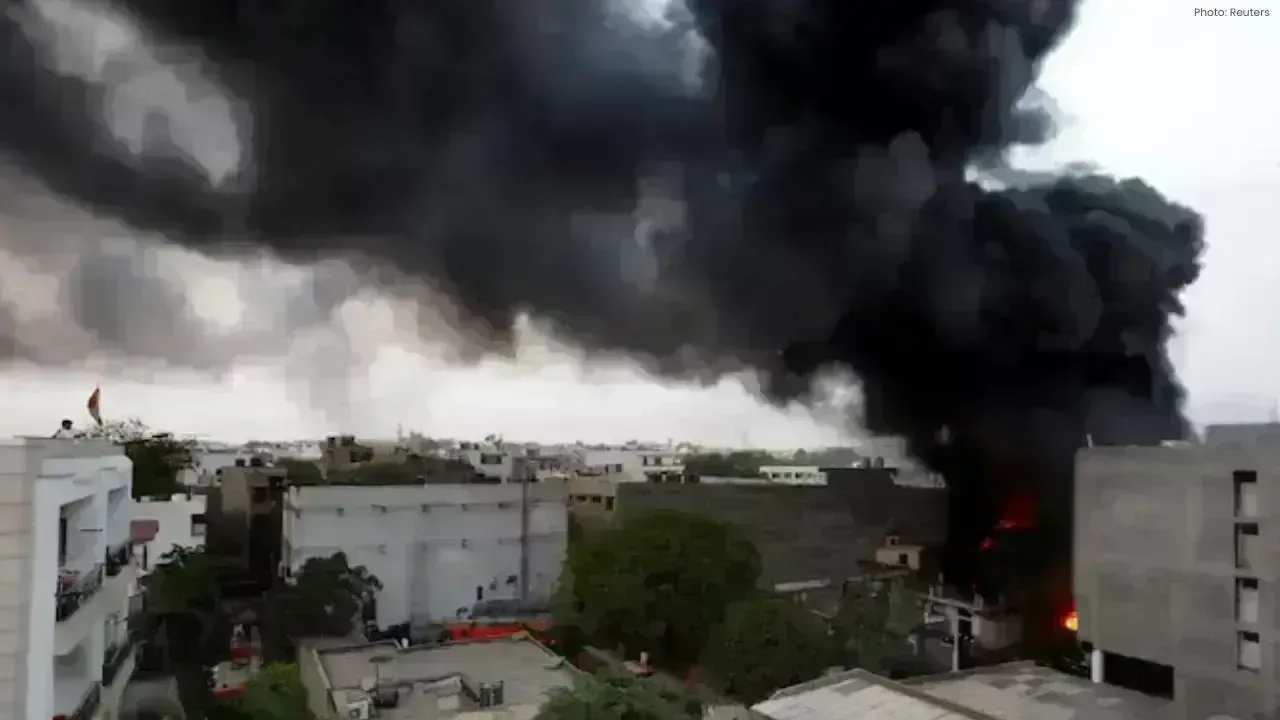
A devastating explosion took place today at a university cafeteria in Bukit Damansara, resulting in one fatality and nine individuals injured.
The incident originated from an air-conditioner compressor room on the cafeteria's fourth floor during routine maintenance operations, leading to considerable destruction across one-third of the area. Fortunately, there was no subsequent fire following the explosion.
Emergency services promptly arrived after a distress call was received at approximately 11:51 a.m. Numerous fire teams from surrounding regions responded, including a Hazmat team to inspect for gas leaks. The scene was later cleared of hazardous materials, and officials confirmed that the area was secured and remained under control.
Among those injured were four students, two canteen employees, an in-house technician, and two contractors. Tragically, a 24-year-old contractor who sustained severe injuries passed away at Hospital Kuala Lumpur.
Investigators are currently working to uncover the specific cause of the explosion, concentrating on the maintenance protocols being followed in the compressor room at the time of the incident.
Dubai Parks to Offer Free Medical Tests During Ramadan
Free health screening buses will provide eye, blood pressure and glucose tests across major Dubai pa
T20 World Cup India Prepare to Crack Spin Test in Super Eight
Bowling coach Morne Morkel confident Indian batters will regain rhythm against spinners as Super Eig
Alcaraz Survives Six Match Points to Reach Qatar Final
World No.1 Carlos Alcaraz defeated defending champion Andrey Rublev in a tense semifinal, saving six
Green Roofs in Saudi Cities: Is Greening Possible in the Desert
Amid mega projects, Saudi Arabia is emphasizing the adoption of green roofs as urban infrastructure
UAE to Host 2028 AI Summit, Co-Chair 2027 Edition
UAE will host the 2028 Artificial Intelligence Summit and co-chair the 2027 edition with Switzerland
UN Warns of Catastrophic Hunger Crisis in Somalia
UN and World Food Programme warn that funding shortages, conflict, and failed rains could push milli