Post by : Shweta
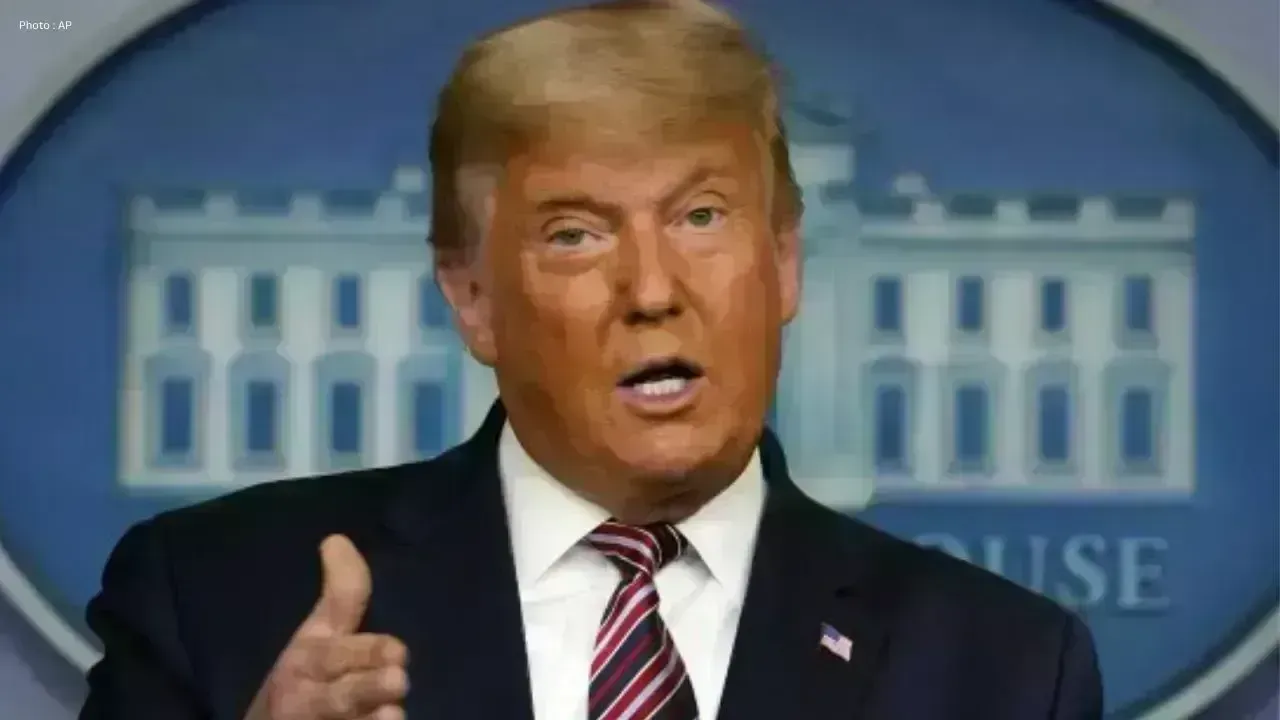
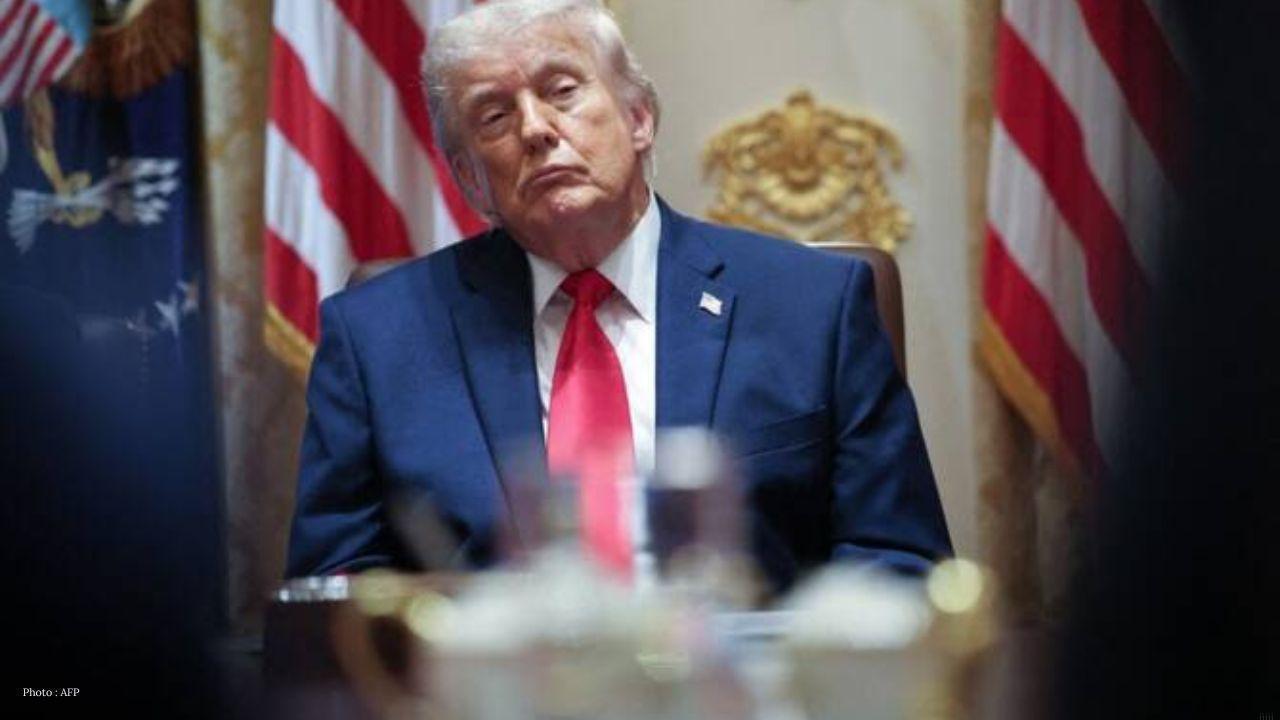
The federal government under Donald Trump is facing increasing opposition following its initiation of investigations and data requests that disrupt the traditional oversight of elections by individual U.S. states. Reports indicate that various federal agencies have demanded access to sensitive voter records and election data, igniting fears regarding constitutional boundaries and state autonomy.
Historically, elections in the U.S. have been handled by state and local bodies, not federal ones. Yet, recent actions by entities like the Department of Homeland Security and the Justice Department signify a marked shift towards greater federal involvement. States such as Ohio, Nevada, and Colorado have reported unsolicited demands for critical voter information, inclusive of registration and voting histories.
Local election officials express that these demands often lack suitable justification. For instance, officials in Franklin County, Ohio, recounted receiving calls from individuals claiming to be federal agents requesting prompt access to voter data. While some cooperated, concerns persisted regarding transparency and potential threats to voter privacy.
In defense of its actions, the administration asserts that the aim is to safeguard election integrity and mitigate voter fraud. A spokesperson emphasized the focus on accurate voter rolls and participation of only eligible voters. However, numerous legal experts contend that substantial voter fraud has not been substantiated, cautioning that such federal measures might compromise trust in the election system.
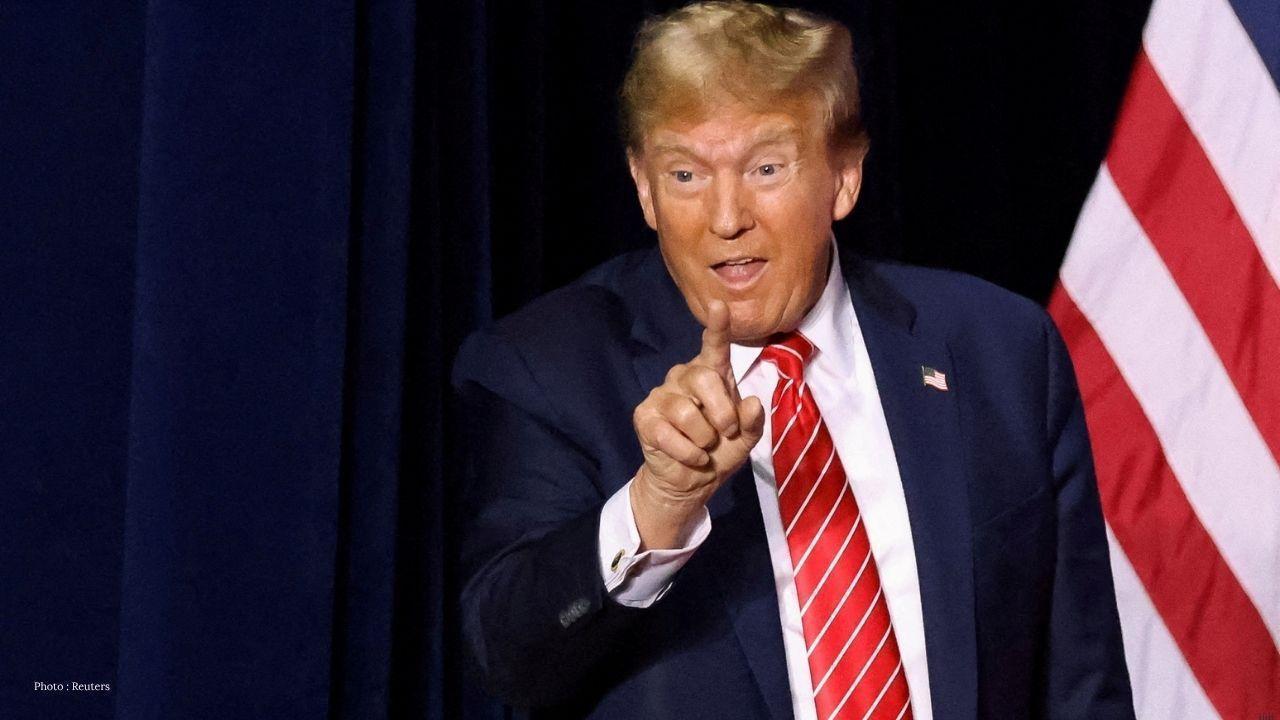
President Trump has advocated for a more robust federal role in elections, including plans to standardize voting regulations, enforce stringent voter ID laws, and enable federal agencies to confirm voter eligibility. This vision has sparked significant debate, with opponents arguing that it could infringe on state rights and disrupt established electoral practices.
In response to the possibility of increased federal supervision, local officials across the nation are gearing up. Certain counties are seeking legal advice, revising security measures, and preparing staff to manage federal inquiries or inspections. Election administrators in states like Colorado and South Carolina are participating in workshops to ready themselves for potential encounters with federal agencies at polling locations.
This situation has fostered anxiety among election personnel, with reports of some officials encountering threats or public pressure tied to election-related issues. Experts warn that ongoing friction between federal and state authorities could significantly impact upcoming elections, particularly in closely contested areas.
Ultimately, the administration’s strategy seems to aim at testing legal thresholds on a state-level basis. While proponents argue this move strengthens election security, critics fear it risks politicizing the electoral framework and eroding public trust in democratic institutions.


 English