Post by : Sami
Al-Rahmani
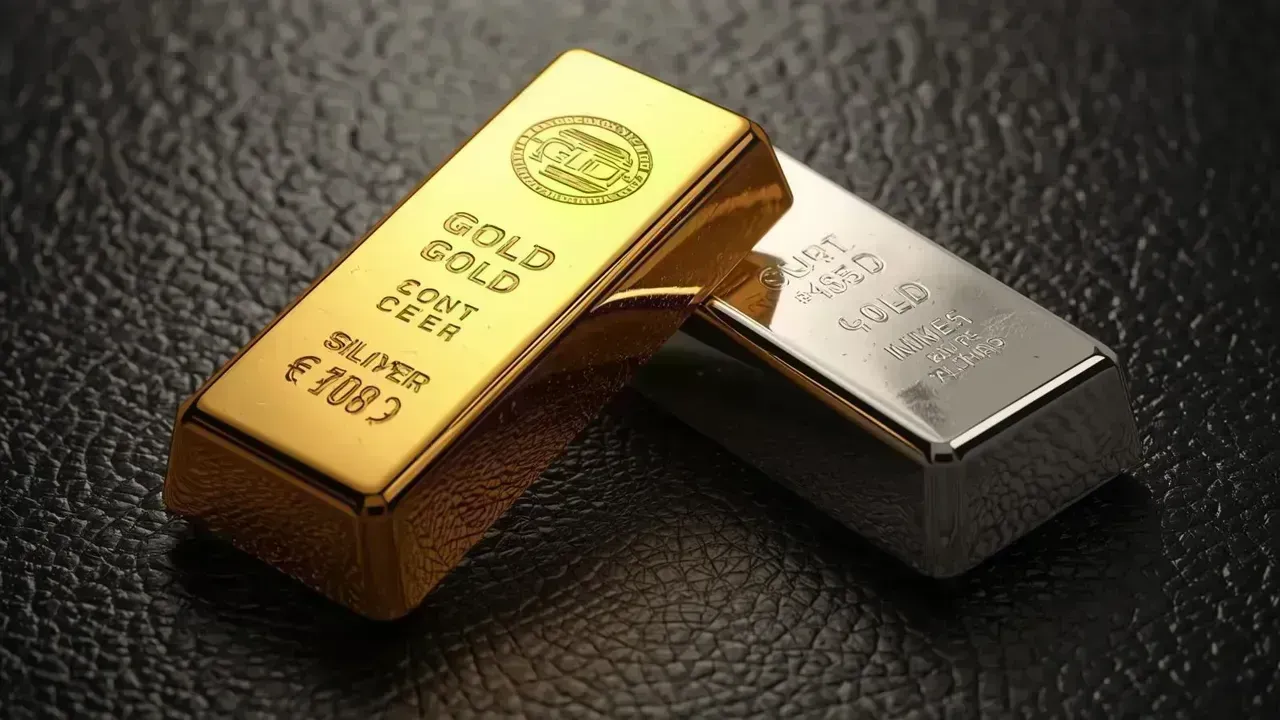
Gold vs Silver: Evaluating the Safer Investment Amid Economic Turmoil
In times of economic distress, investors turn to safe-haven assets to shield their wealth. Be it inflation, sluggish economies, geopolitical strife, or erratic stock markets, both seasoned and novice investors increasingly consider precious metals like gold and silver.
Historically, both metals have served as reliable stores of value. In our digital age, they continue to play a significant role during uncertain economic conditions. The pressing question that arises is:
Is gold the safer choice, or does silver present better opportunities in uncertain times?
The answer varies as both metals react differently to market fluctuations. Gold is predominantly regarded as a stable asset, while silver also serves as an industrial commodity. This distinction offers unique advantages and risks for each option.
By understanding how these metals perform amidst inflation, recessions, crashes, and global turmoil, investors can make more informed decisions.
Why Precious Metals Attract Investors During Downturns
Economic instability often incites anxiety in markets.
When inflation escalates, currencies falter, or stock markets fluctuate, investors frequently shift their focus to assets with historical resilience.
Gold and silver become appealing during these instances due to:
- Being tangible assets
- Limited availability
- Global acceptance as stores of value
- A tendency to maintain purchasing power over time
Unlike currencies that can be printed freely, precious metals are viewed as safeguards against inflation and currency depreciation.
Traditionally, gold is viewed as a “safe-haven” investment during times of crisis.
The Safety Perception of Gold
Gold is often seen as a safer and more stable investment compared to silver.
This perception stems from years of trust.
Throughout history, gold has served as:
- A currency
- A wealth reserve
- A central bank asset
- A protective measure during crises
Today, many central banks retain substantial reserves of gold due to its historical stability during turbulent economic times.
Gold Typically Excels During:
- Financial downturns
- High inflation rates
- Currencies losing value
- Geopolitical unrest
- Market volatility
In uncertain times, investors often seek gold as a more reliable store of value, although prices may still experience fluctuations.
Understanding Silver’s Unique Nature
Silver has a dual role that differentiates it from gold:
- As a precious investment
- As a key industrial commodity
Silver’s applications span:
- Electronics
- Solar technologies
- Electric transportation
- Healthcare equipment
- Manufacturing
This industrial usage makes silver more sensitive to economic shifts compared to gold.
During robust economic growth, increased demand can spike silver prices, yet during downturns, it may exhibit greater volatility.
Inflation and Precious Metals: A Comparative Analysis
Inflation diminishes purchasing power, increasing everyday costs.
Both gold and silver are often viewed as hedges against inflation due to their ability to retain value, yet gold typically proves to be the stronger protective asset because:
- It is more trusted by central banks
- Investors flock to gold during crises
- It displays a more defensive character in volatile markets
While silver may also rise during inflationary periods, its industrial nature can introduce additional volatility based on economic climate.
Examining Volatility: Gold vs Silver
Silver is considerably more volatile than gold.
This volatility means that silver prices may rise swiftly:
- Higher peaks in thriving markets
- Steeper declines during recessions
Gold generally maintains steadier price movements.
Conservative investors focused on capital preservation often prefer gold for its reduced volatility.
For those willing to embrace risk for potentially higher rewards, silver might be more appealing.
The Allure of Silver for Certain Investors
Despite its volatility, silver presents several benefits.
1. Affordability
Since silver is more economical per ounce than gold, it’s more accessible for rookie investors.
Those who may struggle with large gold purchases can opt for silver investment over time.
2. Industrial Demand Potential
The expansion of:
- Solar advancements
- Electric vehicles
- Sustainable technologies
could bolster long-term demand for silver.
Such growing demand may stimulate price increases if trends continue positively.
3. Greater Price Growth Opportunity
Due to the smaller and more volatile silver markets, prices can sometimes skyrocket above gold during commodity boom cycles.
Likewise, higher returns come with increased risks.
Central Banks' Preference for Gold
An important distinction is the strong preference of central banks for gold over silver.
Governments and financial entities opt for gold reserves as it is viewed as:
- More stable
- More liquid on a global scale
- Trusted in times of crisis
This institutional demand solidifies gold's status as a safe-haven asset.
Conversely, silver lacks the same level of central bank interest.
Tangible Metals Versus Digital Investments
Modern investors possess various methods for investing in precious metals.
Common avenues include:
- Physical coins and bullion
- ETFs (Exchange-Traded Funds)
- Mining equities
- Digital gold platforms
Physical assets ensure direct possession, whereas ETFs and digital options offer trade ease and convenience.
Nevertheless, some investors favor physical gold and silver for their tangible ownership amid economic uncertainty.
Assessing Precious Metals in Recessions
Traditionally, gold shows more reliable performance during severe economic contractions.
Investors prioritize stability when uncertainty emerges, leading them to gravitate towards gold more frequently.
Silver may face challenges during economic declines owing to the dampened industrial demand associated with decreased manufacturing.
While this doesn’t imply silver's long-term inadequacy, gold is generally classified as the more secure option during major global turmoil.
Choosing Between Gold and Silver
The decision rests on individual financial objectives and risk appetite.
Gold may suit:
- Sustained wealth security
- Lower-risk investment styles
- Stability during crises
- Conservative investment portfolios
Silver may be ideal for:
- Growth-oriented investors
- Higher risk tolerances
- Exposure to industrial demand
- More economical investment choices
Some investors strategically hold both metals for a balanced approach to stability and potential gains.
The Psychological Weight of Gold During Crises
Gold also embodies substantial psychological value.
Amid fear, public instinctively favors gold due to its longstanding reputation as “real money.” This emotional trust bolsters gold demand amid wars, recessions, or market turmoil.
Even though silver holds value, gold remains the paramount symbol of financial assurance globally.
Concluding Insights
Both gold and silver play pivotal roles amid economic instability, yet they fulfill contrasting investment roles.
Gold is generally viewed as the safer, more stable investment, bolstered by historical consistency and central bank backing, especially during financial crises.
On the contrary, silver offers potential for substantial growth but with increased volatility linked to industrial applications. It has the capacity to outperform gold during robust economies, yet it may face sharper declines in downturns.
Many investors find that recognizing gold's protective value while tapping into silver's developmental opportunities combines the best of both worlds.
As global markets grapple with inflationary pressures and geopolitical unrest, precious metals are poised to remain central in financial discourse for the foreseeable future.
Disclaimer
This piece serves solely for informational and educational contexts and does not constitute financial or investment recommendations. Precious metal prices are subject to significant fluctuations, and investors should undertake their own research or consult financial experts before making financial decisions.


 English