Post by : Mariam
Al-Faris
Understanding Climate Change
Climate change is a big problem that affects the whole world. It happens when harmful gases, called greenhouse gases, build up in the air. These gases, such as carbon dioxide and methane, trap heat from the sun, making the Earth hotter. This can lead to extreme weather, rising sea levels, and harm to animals and humans. Every part of nature, including forests, rivers, and oceans, is affected by climate change. One of the easiest and most natural ways to fight this problem is by planting trees. Trees play an important role in keeping our planet healthy.
How Trees Absorb Carbon Dioxide
Trees are called the lungs of the Earth because they breathe in carbon dioxide from the air. Carbon dioxide is one of the main gases that cause global warming. Through a process called photosynthesis, trees use sunlight, water, and carbon dioxide to make food for themselves. In this process, they release oxygen into the air, which humans and animals need to breathe. By absorbing carbon dioxide, trees reduce the amount of greenhouse gases in the atmosphere. This helps to slow down climate change and keep the air cleaner.
Cooling the Earth Naturally
Planting trees also helps to reduce heat. Cities and towns with fewer trees often become very hot during summer. This is called the “urban heat island effect.” Trees provide shade and release water through their leaves, which cools the air around them. Forests, especially large ones, can even influence local and global temperatures. By planting more trees in cities, parks, and rural areas, people can lower temperatures and make their surroundings more comfortable. This is important for both humans and wildlife.
Protecting Soil and Preventing Erosion
Trees have strong roots that hold the soil together. When heavy rains come, soil can wash away, causing erosion. This can destroy farms and forests. Trees prevent soil erosion by keeping the ground stable. They also improve the quality of soil by adding nutrients when their leaves fall and decay. Healthy soil can grow more plants and crops, helping to feed people. By planting trees, communities can protect their land from damage caused by storms and floods, which are becoming more common due to climate change.
Trees Help Water Conservation
Trees play a major role in keeping water clean and available. Their roots absorb water from the ground and slowly release it into rivers and streams. This helps maintain water levels even during dry seasons. Trees also reduce flooding by slowing down rainwater and letting it soak into the soil. Forests act like natural sponges, storing water and keeping ecosystems balanced. With climate change causing more droughts and irregular rain, planting trees is essential to protect water supplies for people, animals, and crops.
Supporting Wildlife and Biodiversity
Forests are home to millions of animals, birds, and insects. When people plant trees, they create new habitats for wildlife. Many species are endangered because of deforestation and climate change. Trees provide food, shelter, and protection for these animals. By increasing tree cover, we support biodiversity and make ecosystems stronger. Healthy forests can recover faster from natural disasters and help maintain the balance of nature. This is another way trees fight against the negative effects of climate change.
Reducing Pollution in the Air
Trees also clean the air by removing harmful particles and dust. Their leaves and bark trap pollutants, which improves air quality. In cities, this is especially important because cars, factories, and other human activities produce smoke and harmful gases. Planting trees along roads and in residential areas can reduce pollution, making it easier for people to breathe. Better air quality also lowers the risk of diseases like asthma and heart problems.
Trees Provide Renewable Resources
Planting trees gives humans renewable resources such as fruits, nuts, and timber. Unlike fossil fuels, which release carbon when used, trees can grow again and absorb more carbon as they mature. By managing forests responsibly, communities can use tree resources without harming the environment. This sustainable approach helps reduce deforestation and fights climate change at the same time.
Community and Global Benefits
Planting trees is not only good for the environment but also for people. Trees make neighborhoods more beautiful and improve mental health. They encourage outdoor activities and provide spaces for relaxation. On a larger scale, planting trees in countries worldwide contributes to global efforts against climate change. Organizations like the United Nations and World Wildlife Fund promote tree-planting programs to help communities and governments work together. Everyone, from children to adults, can contribute to this effort.
Simple Steps to Plant Trees
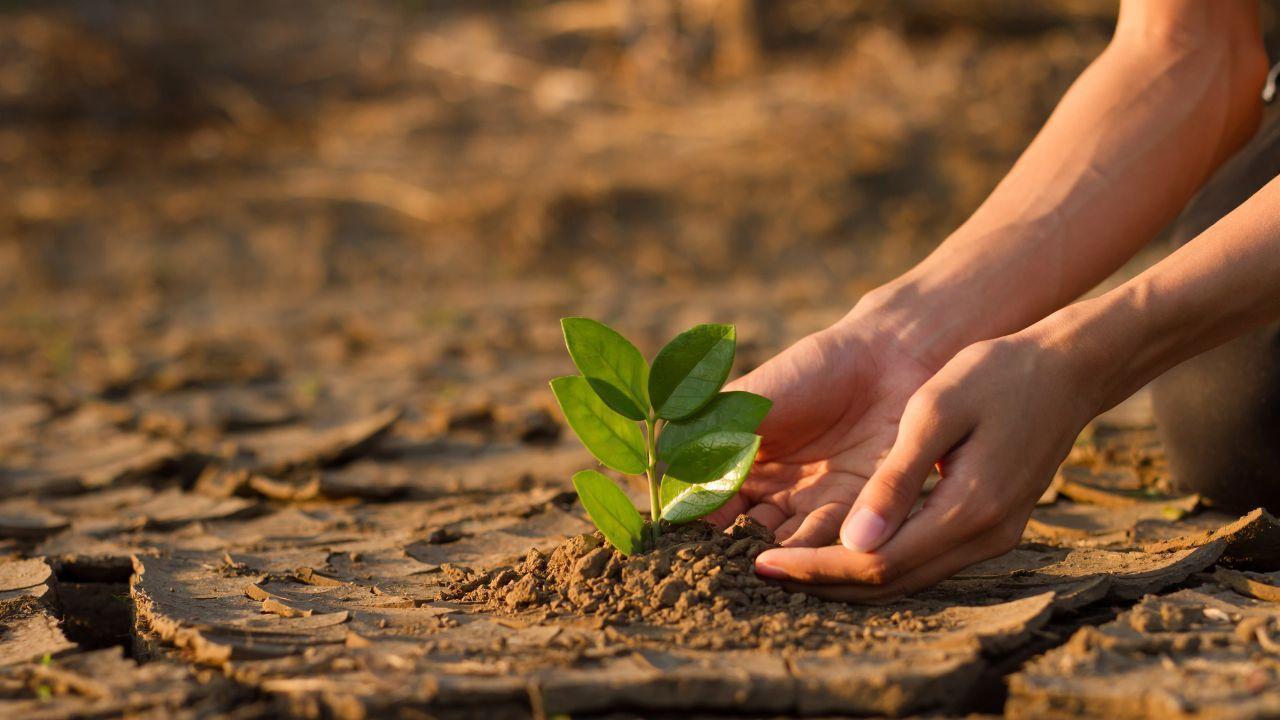
Anyone can help combat climate change by planting trees. Local governments, schools, and communities often organize tree-planting events. Even planting small trees in your yard or on a balcony can make a difference. Choosing native tree species is important because they grow better and support local wildlife. Watering, protecting young trees from animals, and ensuring they have good soil can help them survive and grow. Every tree planted today will benefit future generations.
Conclusion
Trees are more than just beautiful plants. They absorb carbon dioxide, cool the environment, protect soil, conserve water, support wildlife, and clean the air. Planting trees is one of the most effective and natural ways to fight climate change. By taking small steps, individuals and communities can make a big impact. Protecting and planting trees ensures a healthier, safer, and greener Earth for all living beings. Every tree counts in our mission to combat climate change.


 English