Post by : Anis
Al-Rashid
A Defence Move of Significant Implications
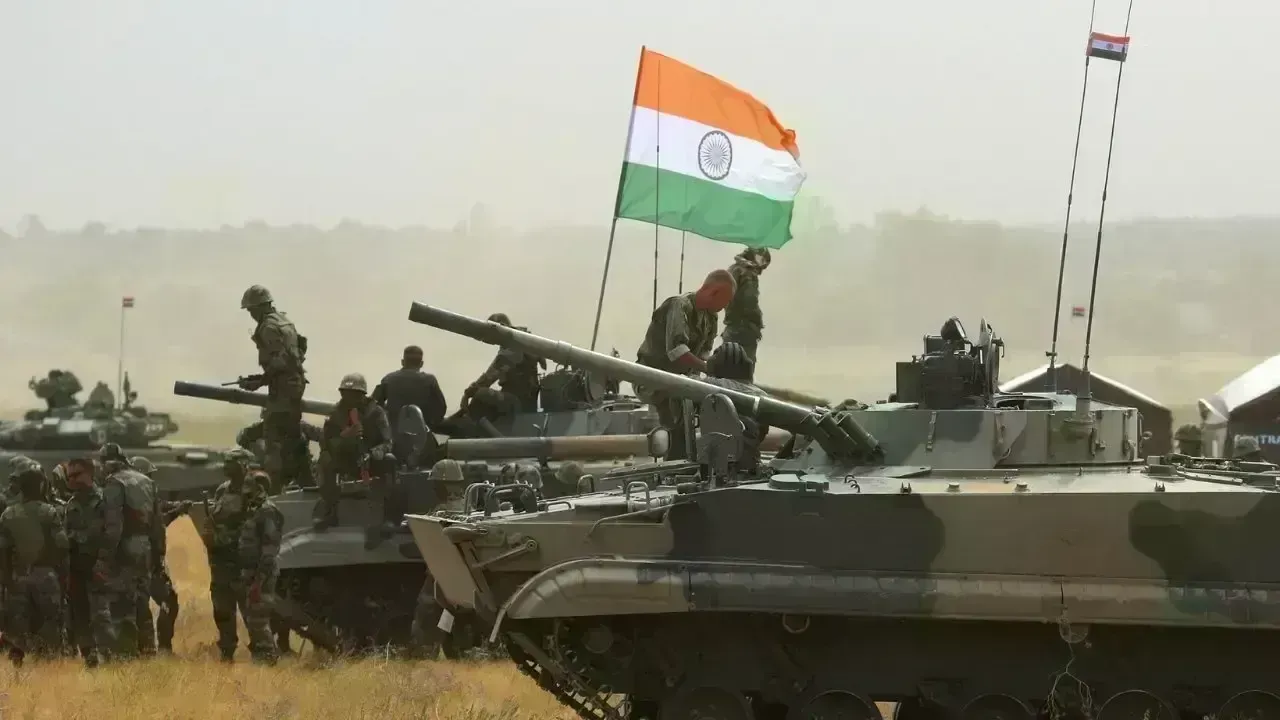
India's defence strategies seldom escape scrutiny, yet certain actions prompt heightened interest. The latest developments in India's military landscape have sparked extensive dialogue beyond its borders, engaging analysts, diplomats, and military observers who are examining the implications of India’s shifting strategic priorities and security considerations.
This is not a mere matter of arms or troop logistics. It’s about communicating intent in a world marked by instability, where alliances are fluid, and security threats are increasingly complicated.
The Global Landscape: The Importance of Defence Strategies Today
Amid Geopolitical Turbulence
The current global climate is characterized by multiple conflicts and escalating great-power rivalries. Nations are reevaluating traditional security paradigms to better protect their interests.
In this context, every significant defence decision is laden with implications. For a nation like India, situated at pivotal strategic junctions, military moves are interpreted as signals with far-reaching consequences.
Security is a Global Issue
Today's security challenges transcend national borders. Issues like cyber threats and maritime security highlight that a nation’s defence policies can resonate globally.
Hence, India's defence strategy is a component of global security.
India's Strategic Role: Every Decision Matters
Position of Strategic Centrality
India is central to the Indo-Pacific, a region increasingly critical in global power plays. Its location near crucial sea lanes, contentious borders, and vital trade pathways amplifies the significance of its defence stance.
Changes in India's military strategy are viewed as responses to both immediate threats and broader long-term considerations.
Complex Security Challenges
India faces a multifaceted security landscape, needing to manage borders with nuclear-armed neighbours while safeguarding expansive maritime interests. This duality complicates defence decisions that must be both nuanced and well-considered.
Implications of India's Recent Defence Strategy
A Commitment to Preparedness
At its essence, the latest move signals India’s commitment to enhance its preparedness rather than merely responding to threats. There is a marked focus on deterrence, readiness, and swift response capabilities.
This shifts the emphasis learned from past confrontations and conflicts, showcasing the importance of timely readiness.
Long-Term Capability Development Focus
While India avoids short-term fixes, the latest actions highlight the preference for sustained military capability development through various means, emphasizing robustness in defence.
This long-term focus is critical as potential threats continue to evolve unpredictably.
Self-Reliance in Defence
Minimizing External Dependencies
A major aspect of India's recent defence strategy is its move towards self-reliance. The latest measures amplify this approach by prioritizing domestic capabilities and mitigating vulnerabilities related to foreign dependence.
This shift is crucial for observers evaluating India’s stance on defence collaborations.
Effects on Global Defence Frameworks
Historically, India has been one of the foremost defence importers. Progress toward self-reliance will inevitably alter the competitive landscape of the global defence manufacturing sector.
Thus, international defence businesses are keenly observing this shift.
Geopolitical Dimensions of Defence Actions
Signals to Neighbouring Nations
Each defence decision carries strategic weight. India's latest action conveys a robust message about its commitment to sovereignty and the readiness to tackle security threats.
The intention is deterrence without escalation, thereby recalibrating regional dynamics.
Reassurance to Allies
For its allies, this action reaffirms India’s dedication to collective security priorities. A more formidable India is viewed as a stabilizing influence amid volatility.
This enhances India’s credibility without anchoring it to rigid alliances.
The Importance of Maritime Security
Prioritizing Maritime Security Initiatives
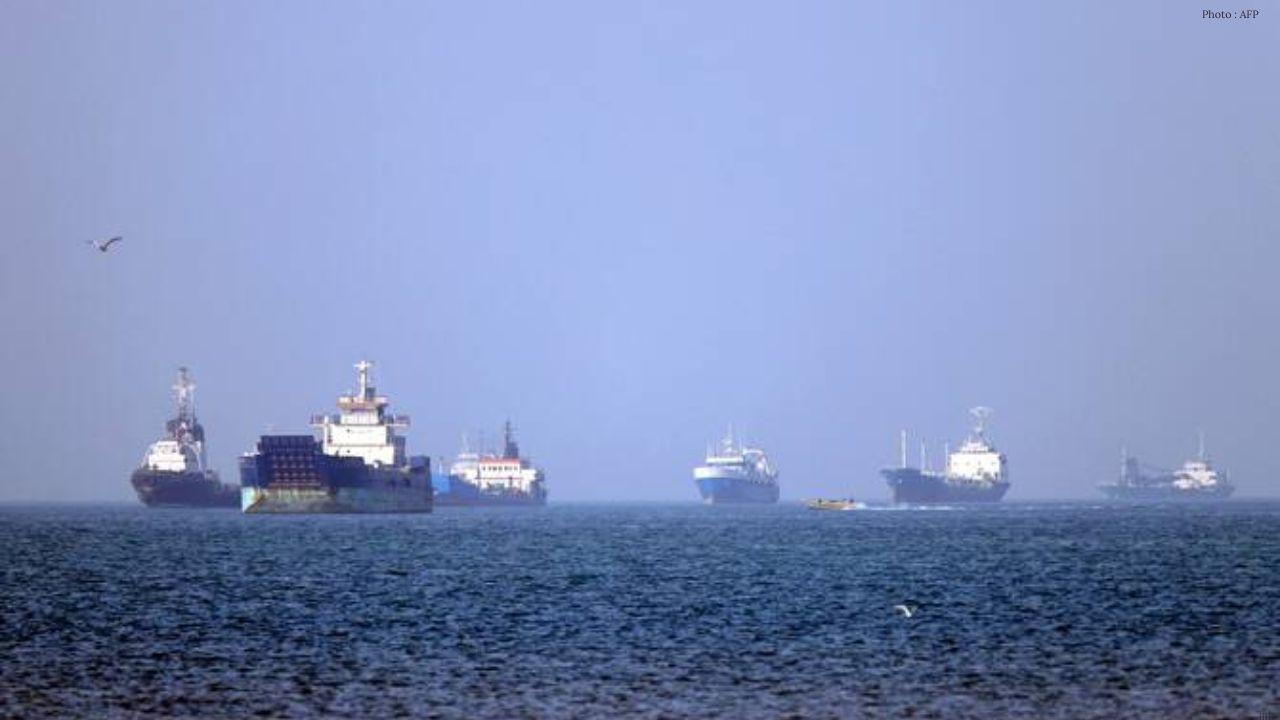
India’s defence orientation underscores the significance of maritime security. Safeguarding vital sea routes and ensuring navigation freedom are core concerns.
Observers consider this latest strategy a step toward reinforcing India’s role as a regional security provider in the Indo-Pacific.
Aligning Without Formal Alliances
India’s strategy remains unique. Rather than joining established military coalitions, it opts for strategic alignments while retaining operational independence.
Such a nuanced position is carefully evaluated by countries in search of alternatives to binary alliance frameworks.
Investing in Advanced Warfare Technologies
Preparing for Modern Conflicts
Contemporary warfare encompasses more than traditional battlegrounds. The rise of cyber threats, space capabilities, and modern technological warfare are now central to defence strategies.
India’s move indicates an acknowledgment that future conflicts may be shorter, sharper, and driven by technology.
Advancements in Defence Capabilities
The focus on adaptive technologies reveals a transition to sophisticated, integrated defence systems. This aligns India with global military modernization trends.
For experts, this reflects a readiness not just for present challenges but for future warfare developments.
Economic and Industrial Effects
Enhancing Domestic Military Production
Defence actions often yield economic impacts. The heightened focus on domestic capabilities fosters manufacturing growth and innovation.
This alignment links defence goals with broader economic strategies, amplifying the significance of recent moves.
Framing Defence Spending as Strategic
India is increasingly viewing defence outlays not merely as expenses but as essential investments in security and industrial capacity.
This narrative resonates with policymakers advocating for a balance between security and economic development.
Global Powers Monitoring India’s Defence Dynamics
Shifts in Regional Power Relations
Each enhancement of India's military capabilities has implications for regional stability. Major powers monitor how this may influence deterrence mechanisms and strategic competition.
India's emergence as a competent military force introduces nuanced changes into existing power equations.
Interpreting Strategic Intent
Beyond advanced weaponry, defence actions unveil strategic intentions. Observers are keen to determine whether India is taking a more assertive or defensive stance.
The recent decision reflects a calculated confidence rather than overt aggression.
National Consensus on Defence Policy
Widespread Institutional Support
The intensity of this move is bolstered by a broad consensus among political and institutional sectors. Defence decisions with such support tend to be regarded as robust and consistent.
This continuity offers reassurance about India’s strategic trajectory to both allies and rivals.
Public Engagement and Security Awareness
In recent years, public awareness surrounding national security has grown. Defence strategies are now part of broader public discourse.
This aspect adds significant context to why the current move attracts close observation.
Challenges and Considerations Ahead
Risk Management in Escalation
While fortifying defence capabilities is vital, it also necessitates careful signalling to prevent miscalculations. India's challenge will be to balance deterrence with restraint.
Analysts will observe how India navigates this intricate equilibrium.
Effective Implementation of Defence Strategies
The success of defence strategies hinges on their practical execution. Cohesion across military branches, timely actions, and adapting to technological advancements will be crucial for sustained efficacy.
Global observers will focus on outcomes beyond mere pronouncements.
Future Trajectory of India's Defence Posture
Transition from Reactive to Strategic
This recent action reflects a shift from reactive responses to proactive strategies, indicating maturation in institutional thinking and practice.
It positions India as a nation proactively shaping its security environment rather than passively responding to it.
An Ongoing Strategic Evolution
More than a singular event, this move fits within a broader context of military modernization, strategic independence, and regional engagement.
This ongoing evolution underscores its significance.
Concluding Reflections
India's recent defence decision is scrutinized due to its representation of more than mere military readiness. It mirrors the nation's recalibration of its role in a rapidly evolving world, balancing autonomy with collaboration, and integrating security with economic and technological goals.
For global observers, this move provides insights into how India envisions its future—confident, cautious, and progressively influential. For India, it marks another stride in cultivating a defence posture attuned to 21st-century realities.
As the world grapples with geopolitical uncertainties, these actions will continue to mold how India is viewed, not just as a regional power, but as a cornerstone of international stability.
Disclaimer:
This article is for informational purposes only and does not serve as defence, security, or policy guidance. Strategic evaluations may change with emerging developments.


 English