Post by : Shweta
Recent revelations from the Federal Bureau of Investigation shed light on the individuals involved in the San Diego mosque shooting. The suspects reportedly formed connections through online platforms and left behind writings filled with hate and extremist thoughts. These developments arise amidst an ongoing federal probe into the tragic incident, alarming communities throughout the U.S. and raising red flags about the risks associated with online radicalization and violence driven by hate.
Authorities indicate that the suspects engaged in prior communications online, sharing content laden with anti-Muslim bias and violent ideologies. According to FBI officials, the writings discovered during the investigation exhibit overt hostility towards various religious communities and endorse extremist narratives. The nature of these online communications may have significantly influenced the radical viewpoints of the suspects and contributed to their planning of aggressive acts.
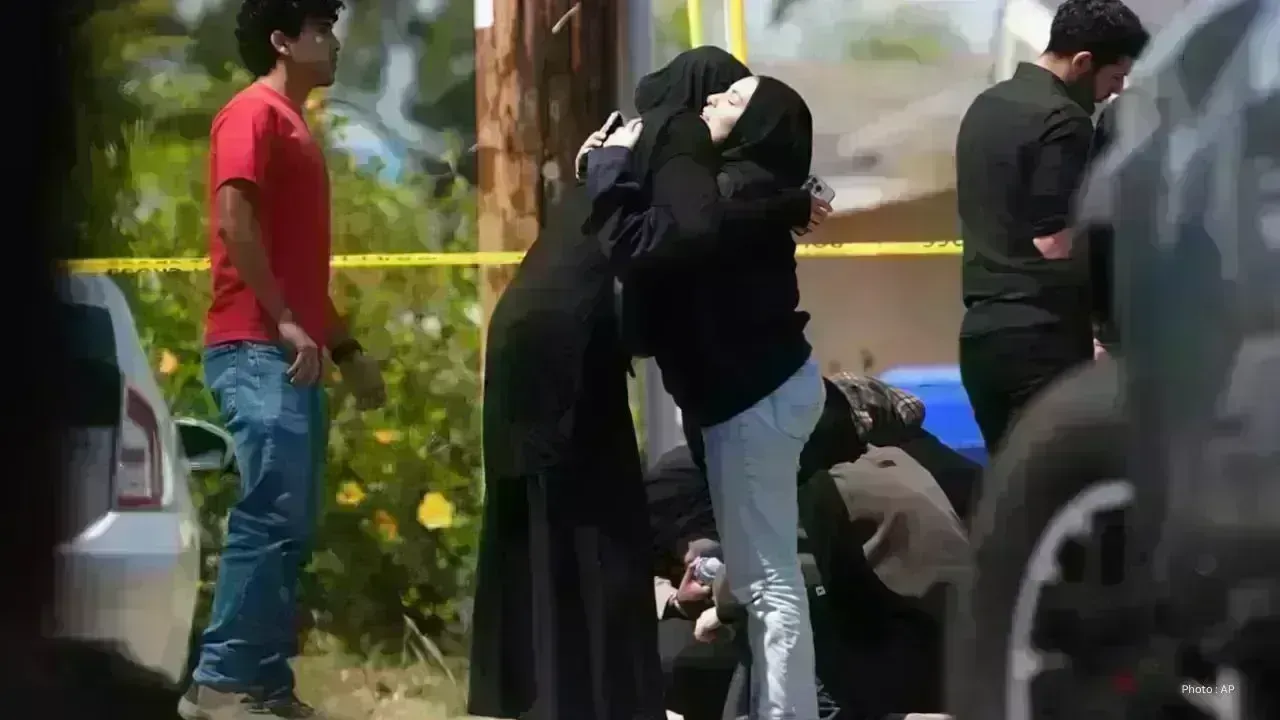
This attack on a San Diego mosque heightened concerns about the safety and security of places of worship and minority groups in the country. In response, law enforcement agencies undertook a comprehensive investigation, collaborating with federal and local forces following the incident. Ongoing efforts include the collection of digital forensic evidence and a thorough examination of the suspects’ pasts in search of motives behind this aggression.
The investigation brings to light the escalating challenges posed by digital extremist networks and the spread of hate-driven propaganda. Security experts caution that extremists frequently exploit social media, online forums, and encrypted messaging systems to disseminate violent ideologies, engage new followers, and incite violence.
Community leaders and civil rights advocates have condemned the attack, urging authorities to take stronger measures against hate crimes and to regulate the harmful content proliferating online. Muslim groups nationwide have also called for enhanced security for places of worship and greater commitment to combatting religiously motivated violence.
The FBI has confirmed that the investigation is ongoing, focusing on the analysis of digital footprints related to the suspects’ online interactions. Investigators are also looking for potential affiliations with larger extremist movements or networks available on the internet.
This case has fueled a national dialogue regarding domestic extremism, the spread of online hate speech, and the obligations of tech firms to oversee dangerous content. Experts assert that governments must navigate the fine line between addressing the dissemination of extremist ideologies online and maintaining free speech protections.
Officials have made it clear that any violent actions targeting religious communities will be taken seriously within the confines of federal law. The investigative process is anticipated to advance as prosecutors and law enforcement assess the full scope of the suspects’ activities and the rationales behind their assault.


 English