Post by : Shweta
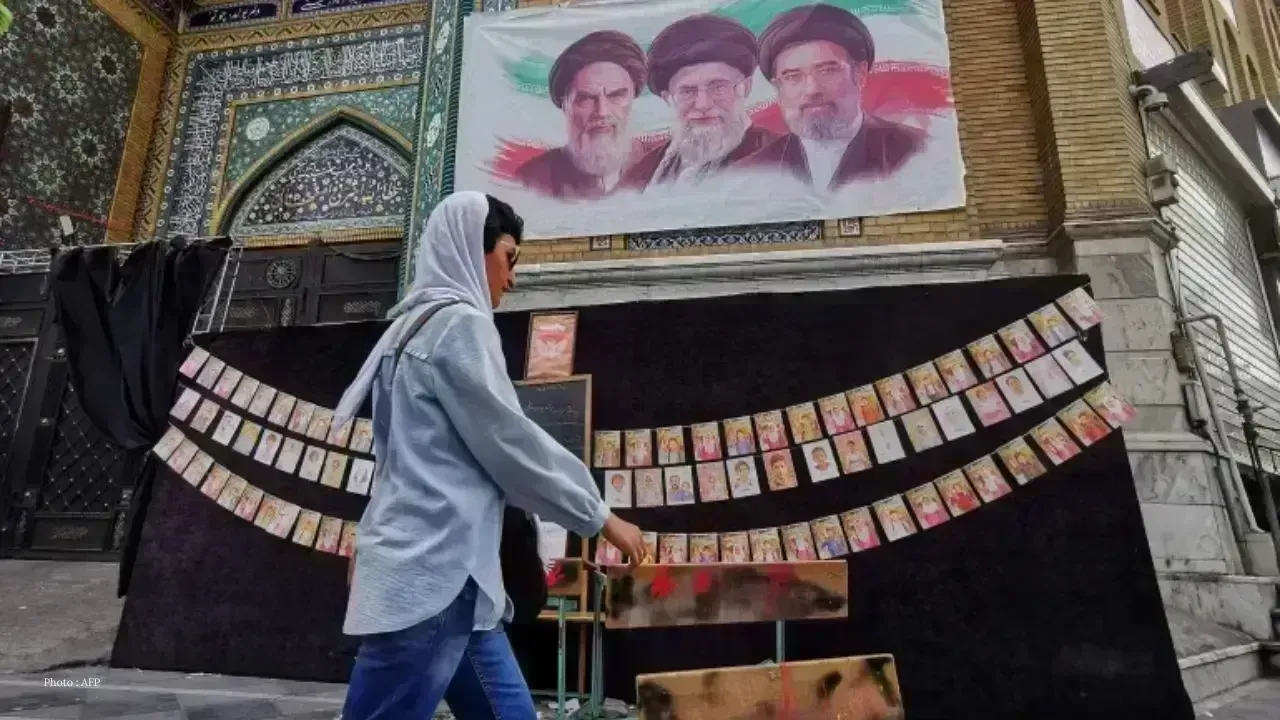
Iran’s leadership is taking a cautious yet pragmatic approach toward the emerging deal with the United States. While Iranian officials acknowledge the potential benefits, such as alleviating economic pressures and easing tensions, they remain skeptical about the reliability of U.S. intentions. There is a clear reluctance to make any major concessions that may undermine Iran’s long-term position. Reports indicate that Tehran is primarily focused on achieving economic relief, gaining access to frozen assets, and mitigating the adverse impacts of international sanctions that have increasingly burdened its economy.
Additionally, the Iranian leadership insists that any agreement must safeguard the rights and interests of its people. Key negotiators have emphasized that Tehran will reject any deal that compromises its sovereignty or demands the abandonment of critical national priorities. Iranian officials cite past experiences with the U.S. as a basis for their distrust, resulting in a cautious approach to any arrangement lacking clear guarantees. Given this, Iran is thoroughly analyzing every proposal while maintaining that any eventual agreement must align with its national interests.
Economic considerations are central to Iran's strategy at this juncture. Years of sanctions, rampant inflation, and currency volatility have created significant domestic challenges. Analysts posit that Tehran views a limited or interim agreement as a means to secure immediate financial relief without making substantial concessions on delicate issues such as its nuclear program. The leadership appears to believe that a temporary accord could help stabilize the economy, lessen public discontent, and create a pathway for future negotiations while retaining critical leverage.
Moreover, Iran's leadership is keen on protecting its perceived strategic advantages. Officials have indicated a desire to maintain regional influence and ensure that its nuclear capabilities are not excessively constrained. Rather than pursuing a comprehensive and permanent settlement, Iran appears focused on practical gains while keeping avenues open for future negotiations. This approach reflects a long-standing strategy of resisting pressure without risking escalation into broader military conflict.
Recent Middle Eastern developments have also impacted Iran's stance. Ongoing tensions involving Israel, Lebanon, and other regional hotspots complicate the negotiation landscape. Iranian officials argue that security issues in the region are intrinsically linked to discussions with the United States. Tehran has cautioned that continued military actions by Israel in Lebanon, for example, could jeopardize diplomatic efforts and hinder further negotiations. These worries have led to moments of uncertainty and communication breakdowns between the two parties.
Despite these hurdles, Iranian officials have not entirely dismissed the possibility of a deal. They strive to balance economic urgency with political and strategic considerations. The leadership seems to appreciate that reducing tensions with the U.S. could yield significant economic advantages, all while avoiding any perception of weakness, whether domestically or internationally. Consequently, Tehran’s approach can be characterized as careful engagement—open to negotiations but firm on preserving its interests and maintaining leverage in future talks.
At this stage, Iran’s leadership sees the emerging deal as a potential opportunity rather than a definitive solution. While the government hopes any agreement will alleviate economic strain and foster stability, officials underscore that trust remains limited and considerable differences between Tehran and Washington persist. The success of current diplomatic efforts in achieving a lasting breakthrough will depend on both parties’ readiness to address these issues without eliciting further regional tensions.


 English