Post by : Raina
Al-Fahim
Israel has resumed airstrikes in southern Lebanon, nearly one year after a US-brokered ceasefire, evoking fears of renewed conflict in Gaza. These military actions have targeted essential infrastructure, leading to civilian casualties and heightened destruction as communities strive to recover from earlier hostilities. The situation underscores the instability of ceasefires in the region, suggesting that Gaza may face intermittent Israeli operations similar to those seen in Lebanon. Analysts speculate that Israel's actions may set a precedent for future ceasefire enforcement in Gaza, allowing for operations when perceived threats arise while avoiding broader conflict.
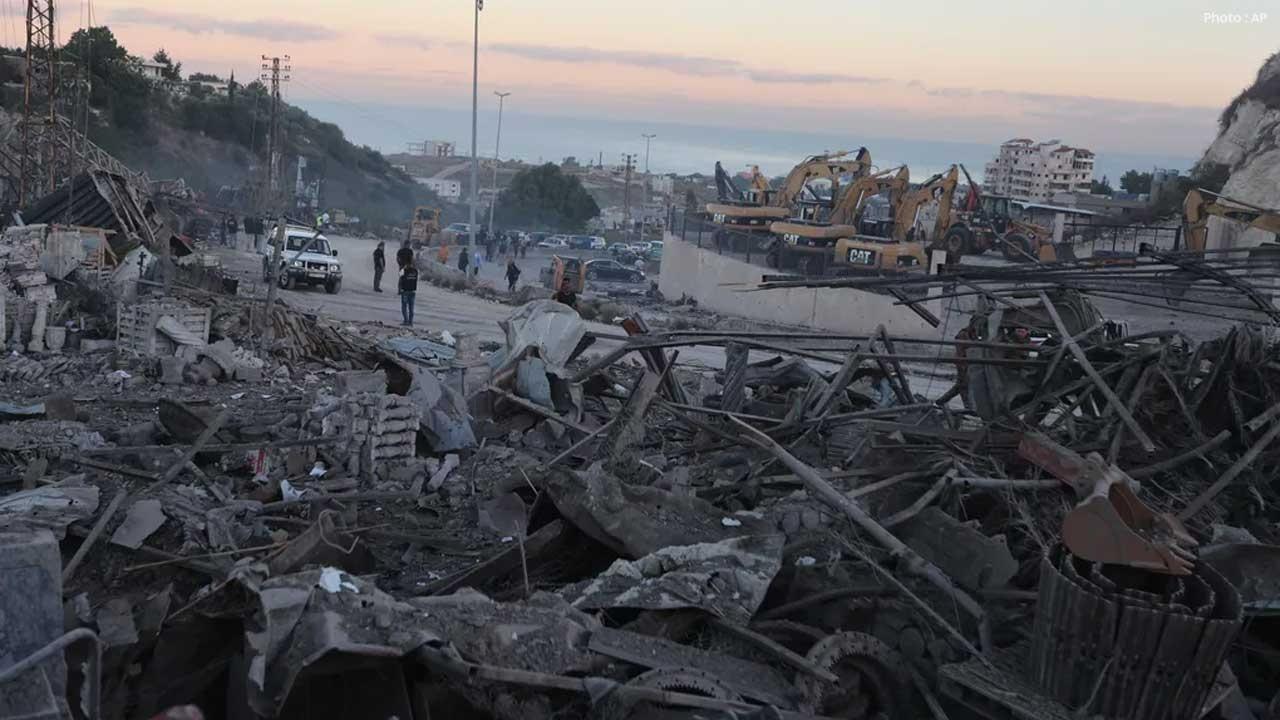
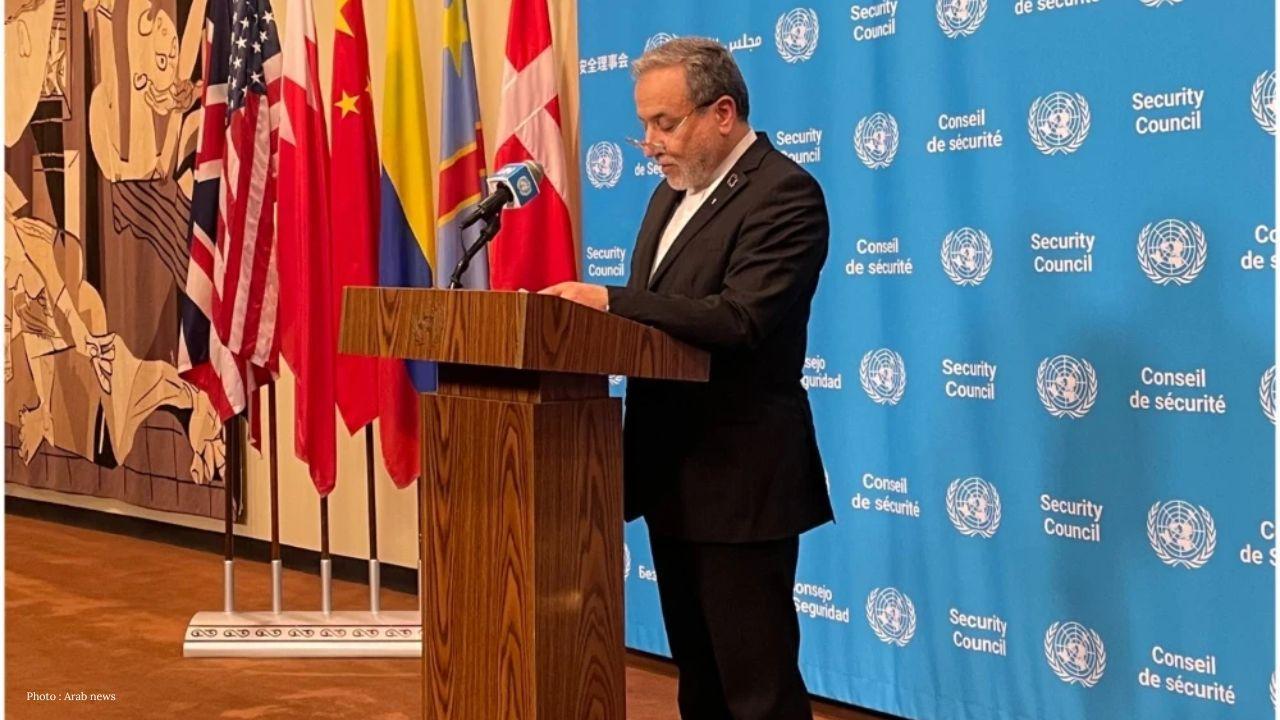
The recent airstrikes have particularly devastated civilian locales, damaging crucial equipment needed for rebuilding efforts. Local residents and Lebanese officials have denounced these attacks, which, according to UN reports, have killed over 270 and injured nearly 850 since the last ceasefire. Such devastating airstrikes raise humanitarian alarms, prompting formal complaints to the UN Security Council regarding these ongoing military operations.
This pattern of aggressive airstrikes suggests a larger strategy that could affect ceasefire conditions in Gaza. Experts caution that while Israel claims to target Hezbollah, many civilian facilities also bear the brunt of these actions, increasing the risk of similar assaults in Gaza. Recent incidents show that Israeli airstrikes may continue despite ceasefire agreements, indicating a potential norm where hostilities linger in a lower form.
Lebanon's government along with Hezbollah expresses severe reservations about these airstrikes, arguing they undermine stability and hinder disarmament efforts. While Israel insists its actions are necessary to inhibit Hezbollah's military growth, the consequences often involve civilian casualties, sparking widespread criticism of Israel's operational strategies. Analysts contend that without rigorous oversight, the cycle of violence may perpetuate, broadening the risk that Gaza will suffer similar military interventions.
International observers alert that these airstrikes highlight the fragile nature of peace efforts in the Middle East, with conditions remaining volatile. The challenges of maintaining ceasefires are clear, as ongoing strikes jeopardize civilian safety across both Lebanon and Gaza. This delicate landscape underscores the urgent requirement for effective mediation and enforcement to curb airstrikes that could escalate tensions into full-scale conflicts, jeopardizing lives and reconstruction efforts in the region.
These entries into conflict by Israel convey the precarious state of ceasefires in the Middle East and hint at the likelihood of low-level hostilities in Gaza. Experts assert that without successful diplomatic interventions, civilian lives and reconstruction efforts in both areas hang in the balance, calling attention to the dire need for sustained and effective conflict resolution mechanisms.


 English