Post by : Saif
Al-Najjar
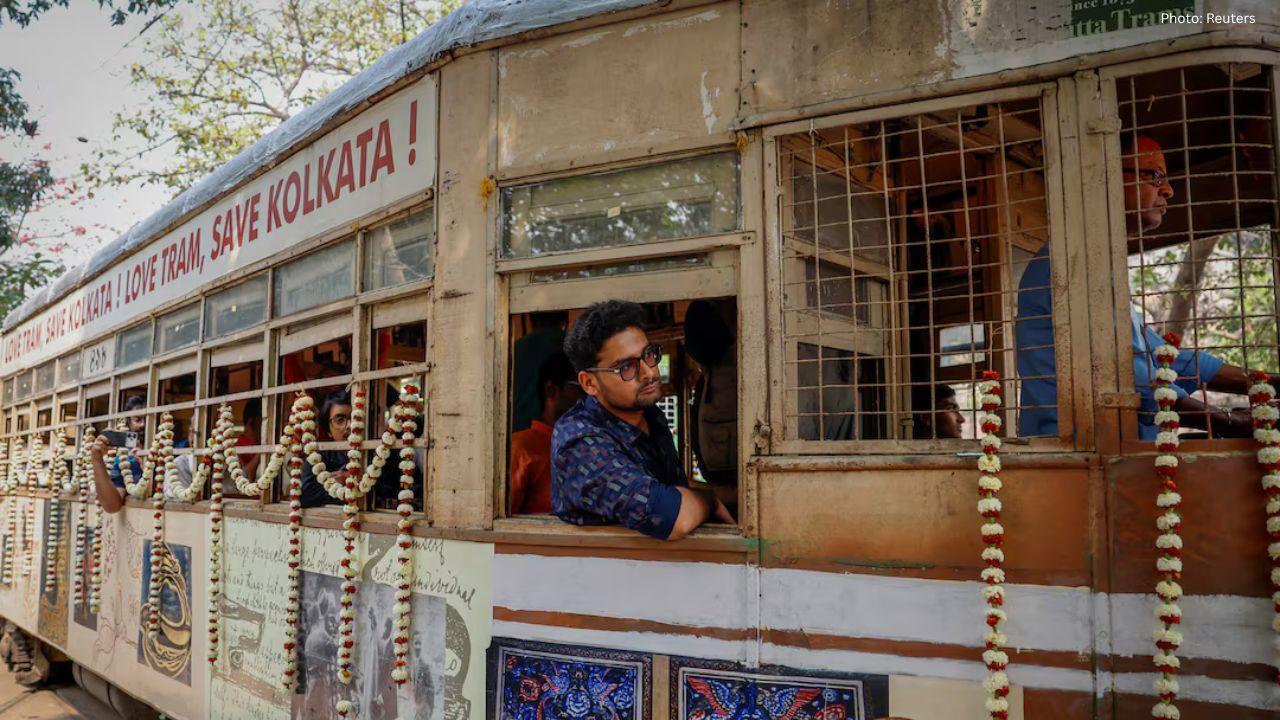
Kolkata’s trams have played a pivotal role in the city’s landscape for over 150 years, their melodic chimes marking the pulse of daily life. Initially horse-drawn in 1873 and electrified in 1902, these trams have become woven into the fabric of the city, navigating through colonial architecture and vibrant neighborhoods. However, the tram network is now on the brink of significant reductions as city authorities aim to replace it with more modern transportation solutions.
Once boasting over 340 trams at its peak, the network now operates a mere 10 on just two routes. The government has initiated the sale of depots and is phasing out older tram cars to accommodate infrastructure improvements and alleviate traffic bottlenecks. As Kolkata’s streets become increasingly congested, trams find it difficult to compete against buses, taxis, and expanding metro services.
“I grew up with the trams,” reminisced 44-year-old Abha Maity, reflecting on her childhood journeys. “Imagining Kolkata without them feels impossible.” This affection is shared by many residents who view the trams as living symbols of the city’s rich heritage and culture.
Bacchu Sidda, a conductor who has dedicated 36 years to the tram service, expressed dismay at the reduction. “When I started, over 340 trams were in operation. Now, we’re down to just seven or eight,” he remarked, gesturing to the list hanging in Gariahat’s last functional depot.
Local citizens and heritage advocates continue to rally for the preservation of this iconic transport system. The Calcutta Tram Users Association (CTUA), established in 2016, has actively sought legal intervention to safeguard the remaining routes. “My love for trams runs deep,” stated Deep Das, a 19-year-old journalism student and avid CTUA member. “Should they vanish, a part of my identity will go with them.”
Even amidst public opposition, the West Bengal government is prioritizing investment in metro expansion, wider roads, and new highways to enhance transportation efficiency. These upgrades signify a determined move towards modernization while addressing the demands of a bustling city.
The future of Kolkata’s aging tram network now rests with the judiciary. As the community awaits a verdict, the remaining trams continue to operate, functioning as both a transport mode and as enduring symbols of the city’s cultural lineage.
The looming potential closure of Kolkata’s trams signifies a pivotal moment. Although modernization is essential to meet current demands, residents hope the city can retain at least a small heritage route, preserving a crucial connection to its past for generations to come.


 English