Post by : Anis
Al-Rashid
Transitioning Fitness: From Rigidity to Free Expression
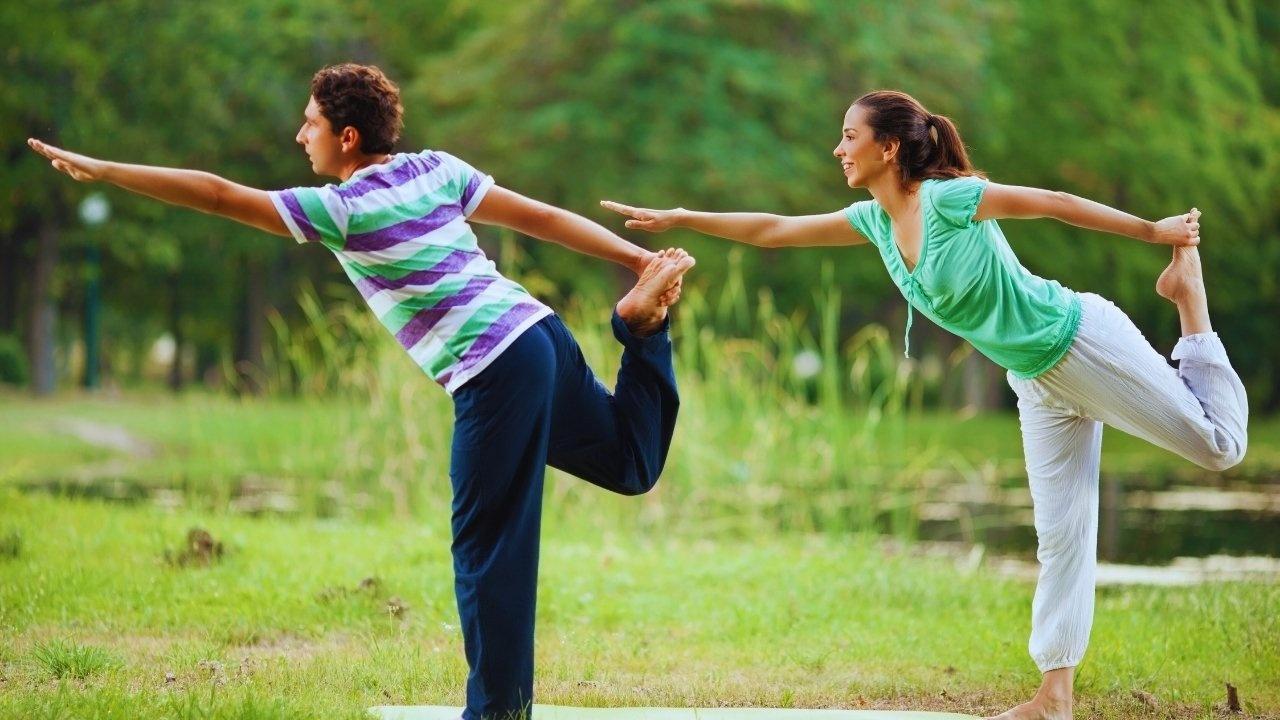
For years, fitness has revolved around strict guidelines—sets, machines, and rigorous plans focused on strength and calorie expenditure. Gyms were seen as the epitome of discipline and fitness change. However, an increasing number of individuals are abandoning these strict exercise regimens for a philosophy where movement is regarded as a form of healing.
Movement medicine encompasses more than just physical activity; it fosters a holistic reconnection with the body through spontaneous motion, rhythm, and playful interaction. Instead of striving for perfection, participants are opting for enjoyment, intuition, and natural forms of movement.
This trend indicates a significant shift in our understanding of wellness. Health is no longer just about appearances—it increasingly emphasizes emotional relief, nervous system balance, and practical strength for everyday life.
Why the Traditional Gym Model Is Falling Out of Favor
While gyms maintain their importance in health, many people feel detached from the monotony of standard exercises and weight machines. The prevailing fitness mentality has prioritized intensity and competition, whether with oneself or peers.
Today's challenges include:
– heightened stress and mental fatigue
– desk-bound lifestyles
– emotional exhaustion
– cravings for creative expression
– a need for community support
In such an environment, movement that inspires freedom and emotional well-being is far more appealing than arduous workouts that feel obligatory. Individuals aim to nurture their bodies rather than impose punishment.
Dance as a Healing Art
Dance has risen to prominence as a healing practice globally—focused not on performance but on recovery. From conscious dance to Zumba and ecstatic dance workshops, individuals are rediscovering their inherent rhythm.
Advantages include:
– emotional liberation through movement
– endorphin enhancement without the dull routine
– better coordination and balance
– self-expression free from judgment
– cardiovascular benefits infused with joy
– relaxation of the nervous system
Dance bypasses the need for structured thought and allows the body to take the lead. Participants do not dance merely to work out—they dance to feel vibrant, confident, and connected.
The Revival of Primal Movement
Basic movement patterns—crawling, squatting, and flowing—are resurfacing as essential practices. These movements align with our natural design, unaltered by modern day conveniences that have impacted our mobility.
Primal movement practices emphasize:
– joint health and flexibility
– natural core strength
– coordination and balance
– posture enhancement
– injury avoidance
– freedom of movement
These practices reconnect the body to its innate capabilities. True strength derives not just from muscle but from a body that can move fluidly and effectively in daily life.
Rediscovering Play for Wellness
Children instinctively run, jump, and explore without considering fitness, but adults often abandon such spontaneity. Yet, play is re-emerging as a vital wellness practice.
Activities like parkour, trampoline sessions, and outdoor play areas are becoming increasingly popular. Adults are revisiting childhood joys like skipping, hula hooping, and climbing in community workshops.
This playful approach not only nurtures the body but also revitalizes the mind. Play fosters creativity, relieves stress, enhances agility, and promotes laughter—the most underrated form of therapy.
Linking Movement to Mental Health
The contemporary movement wave is strongly connected to mental health. Scientific studies support age-old beliefs from traditional cultures about the emotional and cognitive benefits of movement.
Movement medicine facilitates:
– emotional expression (crying, laughing)
– stress alleviation
– dopamine and serotonin boosts
– nervous system calming
– trauma recovery through physical release
– heightened self-awareness
Rather than coping with emotions through control, this movement encourages acknowledgment, release, and integration, leading participants to feel lighter both physically and mentally.
Emphasizing Body Awareness through Somatic Practices
Somatic practices prioritize internal sensations over external appearances. They cultivate awareness of bodily cues and foster a compassionate response, enhancing emotional resilience and inner peace.
Examples include:
– breath-focused movement
– gentle flow exercises
– mindful stretching
– micro-movements for fascia release
– shaking techniques for stress relief
This approach is less about achievement and more about feeling. It reveals that the body is not merely a machine but a home to be appreciated.
Building Community through Movement
In the past, gyms represented community in fitness; however, many seek deeper emotional connections today. Movement circles, dance gatherings, and communal events cultivate a sense of belonging through shared joy.
Advantages include:
– social interactions
– collective creative energy
– safe environments
– mutual empowerment
– connection free of competition
Movement becomes a universal language that transcends words.
Embracing Digital Movement Culture
The rise of digital platforms has accelerated this evolution. Online classes allow individuals to comfortably explore dance, primal movement, and expressive practices from home.
Virtual instructors promote individuality over conformity, increasing accessibility for:
– introverts
– beginners
– those likely to be intimidated by gyms
– individuals healing from trauma
– busy professionals
Technology enhances authenticity, creating a wider avenue for exploration.
Shifting Focus from Metrics to Care
Traditional health culture measured success in numbers: weight, calories, repetitions. Movement medicine values the feelings evoked rather than mere appearances.
Prominent shifts include:
– from visual goals to emotional wellness
– from discomfort to joy
– from comparison to self-acceptance
– from rigorous discipline to flowing movement
– from external performance to internal experience
Movement is seen as a nourishing act rather than an obligatory task.
Integrating Movement into Daily Life
Unlike strict gym schedules, movement medicine naturally integrates into daily routines. Popular practices involve:
– stretching while working
– dancing in living rooms
– playful exercises with children
– barefoot nature walks
– mobility routines before sleep
– breath movement during stressful moments
Movement is not confined to set times; it becomes part of life.
Final Thoughts
Movement medicine signifies a return to our true selves: alive, curious, expressive, and spontaneous. Rather than finding strength through sheer effort, it cultivates joy as the foundation of strength. The focus shifts from numbers to sensations, and movement transforms from a chore to a celebration of life.
In this evolved view, fitness extends beyond physical spaces; it resides in rhythm, nature, breath, joy, sensation, and awareness. Movement transcends being simply an exercise—it becomes a means of healing, celebration, and experience itself.
Disclaimer:
This article provides general wellness insights for informational purposes. Experiences and emotional outcomes vary from person to person. Readers are encouraged to explore these practices mindfully and to consult professionals if they have health concerns.


 English