Post by : Anis
Al-Rashid
The Search Landscape Just Shifted
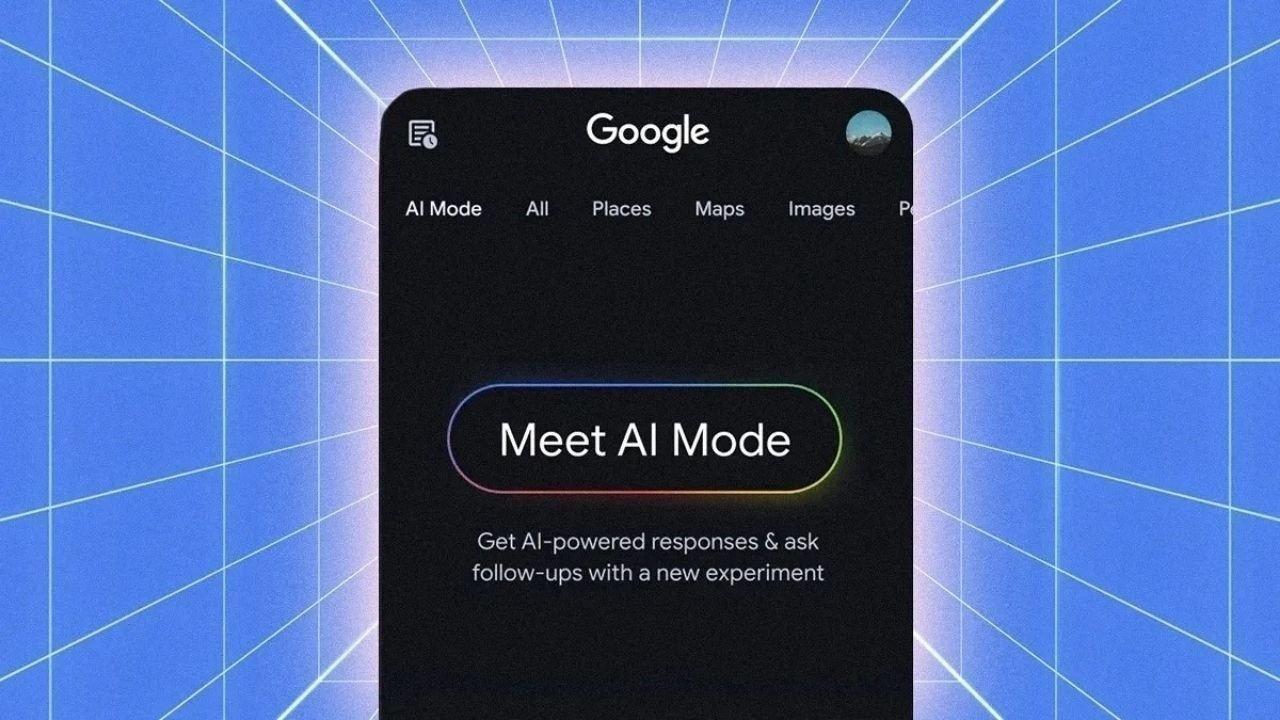
Google's AI Mode introduces a new era of search, where it not only answers queries but also interacts intelligently without always requiring a website visit. This marks a significant transformation in search functionality, surpassing previous adaptations like snippets and knowledge panels.
Instead of the traditional process of typing and navigating through various tabs, users can now:
-
Pose intricate questions
-
Receive structured answers
-
Access machine-summarised content
-
Find referenced sources linked under their responses
-
Investigate further recommendations without exiting the results page
This shift signifies a move from merely providing lists to delivering comprehensive answers.
This single transition significantly impacts SEO, content strategies, and overall digital visibility.
What Is AI Mode?
AI Mode presents an interactive search environment where the search engine takes on more complex tasks:
-
Decomposes a question into sub-questions
-
Collects data from diverse online sources
-
Summarizes pivotal points into a conversational answer
-
Offers citations to back its answers
This mode comprehends text, voice, and even image uploads, enabling users to inquire with visuals ranging from products to problem screenshots, asking:
“What is this? How can I fix it? Where can I purchase it? What should I steer clear of?”
AI Mode essentially acts as a built-in research assistant within the search experience.
For users, it adds convenience.
For brands and publishers, it represents a disruptive challenge.
The New Paradigm: Rank Alone is Insufficient
In the past twenty years, the process was straightforward:
Aim high for rankings → attract clicks → convert traffic.
AI Mode alters this formula:
Now, success is about being recognized by AI as a credible source.
Even if a website claims a high ranking, the system might summarize the information on its own, resulting in diminished visibility if your brand is not included in the citations.
Search visibility is now characterized by two layers:
-
Conventional SERP ranking
-
Inclusion in AI citations
For the first time, a website can enjoy a good rank yet remain invisible to potential users.
Why This Shift Is Significant for Publishers and Brands
Zero-Click Searches Are Accelerating
AI-derived answers reduce the necessity for website navigation. Users find what they seek without visiting multiple articles.
For publishers reliant on page views, this translates to:
The race for visibility has morphed into a brand-centric challenge, surpassing mere traffic metrics.
Authority Takes Precedence Over Keywords
AI selects trusted sources with a consistent history of authority rather than fleeting successes.
-
Established reputation > keyword manipulation
-
Depth and clarity > sheer volume and keyword stuffing
-
Validated expertise > generic content
Authority supersedes density in earning citations.
Content Must Appeal to Both Humans and Machines
We are entering an era of “dual-audience publishing”:
Thus, content should be:
-
Fact-based
-
Well-structured
-
Segmentable and easy to reference
-
Multimodal (text, audio, visual)
Editorship must now align with data architecture and structured design principles.
Brand Mentions Will Replace Clicks
AI Mode transforms citations into a valuable asset. Being included in an AI response may outweigh securing a top spot on search results.
Brand equity shifts from clicks to being present in AI responses.
Emerging Business Risks
Traffic Declines
SEO-driven traffic may plummet as AI answers become prevalent directly in search.
Reliance on AI Logic
If search engines evolve into curators, visibility relies on algorithmic interpretation. For content creators, this marks a critical shift: traffic now depends on AI's ability to summarize content effectively.
Uncertain Evaluation Processes
Traditional SEO has established signals—backlinks, metadata, and content.
The decision-making within AI Mode is less discernible.
Increased Complexity
Brands now navigate:
-
Standard SEO
-
Local SEO
-
Social media visibility
-
AI citation strategies
-
Structuring content
-
Building authority
The future marketer will require a broad skill set—strategic, editorial, technical, and narrative capabilities.
Strategies for Success in the AI Search Ecosystem
1. Cultivate Authority, Not Just Keywords
To earn AI recognition, you must be known, cited, and trustworthy. Techniques include:
-
Publishing expert-driven insights
-
Engaging with industry leaders
-
Acquiring mentions on credible sites
-
Enhancing brand PR and securing third-party endorsements
Authority must now be both acquired and diffused across platforms.
2. Format Content with Machines in Mind
Editorial excellence must integrate data best practices:
-
Use clear headers
-
Incorporate bullet points for essential insights
-
Add glossaries and FAQs
-
Implement schema and structured markup
-
Utilize alt text and transcripts
-
Craft contextually rich captions
If AI can't easily parse your content, it might overlook you entirely.
3. Shift Focus to Questions, Not Keywords
People increasingly ask complex questions:
“How can I start a plant-based diet using Indian ingredients?”
“Which smartwatches are optimal for strength training?”
“How can I invest with an irregular freelance income?”
Modern content must address intricate inquiries rather than basic searches.
4. Expand Presence Beyond Your Own Site
AI gathers insights from:
Brands must now have a robust presence across various formats and platforms, not just on their own blogs.
5. Secure Your Audience
As traffic may decline, direct engagement becomes crucial:
-
Newsletters
-
WhatsApp updates
-
Telegram groups
-
Community platforms
-
Exclusive networks
Don't rely solely on search; cultivate a base that you can control.
6. Monitor Emerging Metrics
While traditional metrics remain important, newer ones are emerging:
-
Citation frequency
-
Relevance of mentions
-
Presence in AI recall
-
Growth in brand-related queries
-
Markers of community trust
-
Content depth and usefulness
The key shift will be moving from “did they click?” to “do we matter when AI interprets information?”.
New Opportunities in the Evolving Landscape
Voice and Visual Inputs Gain Traction
AI Mode excels with conversational and visual queries.
Early adopters focusing on voice-optimized content and visually rich materials stand to benefit significantly.
Contextual Marketing Will Flourish
AI rewards depth in content—rich, contextual storytelling will triumph:
-
Authentic narratives
-
Proven expertise
-
Ground-level reporting
-
Nuanced analyses
-
Cultural perspectives
Shallow writing will diminish in importance, while substance will take precedence.
Specialized Niches Will Shine
General content may struggle; niche authorities are set to rise:
-
Ayurvedic wellness
-
Alternative education methods
-
Regional travel insights
-
Financial advice for young professionals in India
-
Micro-business income strategies
-
Green living practices
-
Career development and upskilling
AI preferences indicate that expertise in specific domains outweighs broad coverage.
The Indian Context
Regional Language Growth
The introduction of AI Mode in Indian languages signals an expansion of the internet beyond English.
Writers and publishers who localize effectively will achieve a distinct advantage.
News Discovery Dynamics Are Shifting
News organizations must rethink their strategies based on:
-
Headline crafting
-
Mobile-centric storytelling
-
Quick-context insights
-
Indicators of source reliability
-
Original reporting that AI will reference
This raises ethical queries regarding how AI summaries will reflect original journalism.
Contraction in Commerce
The buying journey continues to compress:
Search → AI suggestion → instant purchase context
Effective brand storytelling and thoughtful reviews will be paramount.
Increase in Educational Content Demand
AI enhances access to structured learning; platforms that develop reliable educational content will garner trust early.
The Path Forward
Anticipate:
-
AI Mode becoming the default search for many
-
Traffic models shifting across news, lifestyle, and reference spaces
-
Publishers negotiating the terms of their journalism's summarization
-
Growth in structured micro-knowledge—concise, accurate, and easily digestible
-
Emergence of “AI-first content design”
-
Media organizations fostering community engagement and trust rather than just article output
In the next few years, remaining unnoticed by AI will have greater implications than simply holding onto the first ranking in conventional search.
Conclusion: Adapt or Become Obsolete
This new phase doesn’t signify the death of SEO; rather, it elevates it into a strategic practice driven by:
Those who adapt will wield influence beyond mere clicks.
Those who cling to traditional ranking will witness their visibility fade away quietly.
Search isn't disappearing.
Search is gaining intelligence.
And the brands that remain prominent are those that educate the AI and earn user trust.
Disclaimer
This article analyzes shifting search dynamics and their strategic consequences. It does not serve as business, marketing, or legal guidance. Firms should consult qualified experts before modifying their digital or technical frameworks.


 English