Post by : Bianca
Haleem
The National Multiple Sclerosis Society (NMSS) has officially announced its support for four new multiple sclerosis (MS) research initiatives as part of the third cycle of its Research Grant Programme, while also unveiling the fourth cycle aimed at bolstering MS research in the UAE.
This latest funding cycle observed remarkable participation from researchers throughout the UAE, with 36 letters of intent and 34 comprehensive applications submitted. After careful evaluation, four projects were chosen for financial assistance, highlighting an increased enthusiasm for MS research in the region.
The current grant cycle is themed “Advancing MS Innovation through Autoimmune Discovery,” aiming to enhance comprehension of MS through studies that focus on immunobiology, genetic factors, novel treatments, biomarker-driven precision medicine, and improved patient care.
Her Excellency Dr. Fatima Al Kaabi, Vice Chair of NMSS, noted that the selected projects represent significant advancements within the UAE’s research landscape, particularly in artificial intelligence and precision medicine. She emphasized that these local research endeavors will not only elevate treatment outcomes for those living with MS but also contribute to the global body of knowledge.
Highlighted Research Initiatives
One notable study led by Dr. Bassem Yamout at Harley Street Medical Center utilizes artificial intelligence (AI) to enhance MRI accuracy. This project aims to distinguish MS from neuromyelitis optica spectrum disorder more effectively, minimizing misdiagnoses and facilitating timely treatment interventions.
A separate initiative by Dr. Omer Alkhnbashi at Mohammed Bin Rashid University of Medicine and Health Sciences is focused on developing an AI-driven predictive tool that integrates clinical, imaging, and genetic data to identify optimal treatment pathways for MS patients in the UAE.
At New York University Abu Dhabi, Dr. Youssef Idaghdour’s HEAL MS study investigates how lifestyle modifications, including nutrition, physical activity, and stress management, can influence biological markers and enhance the overall wellbeing of MS patients.
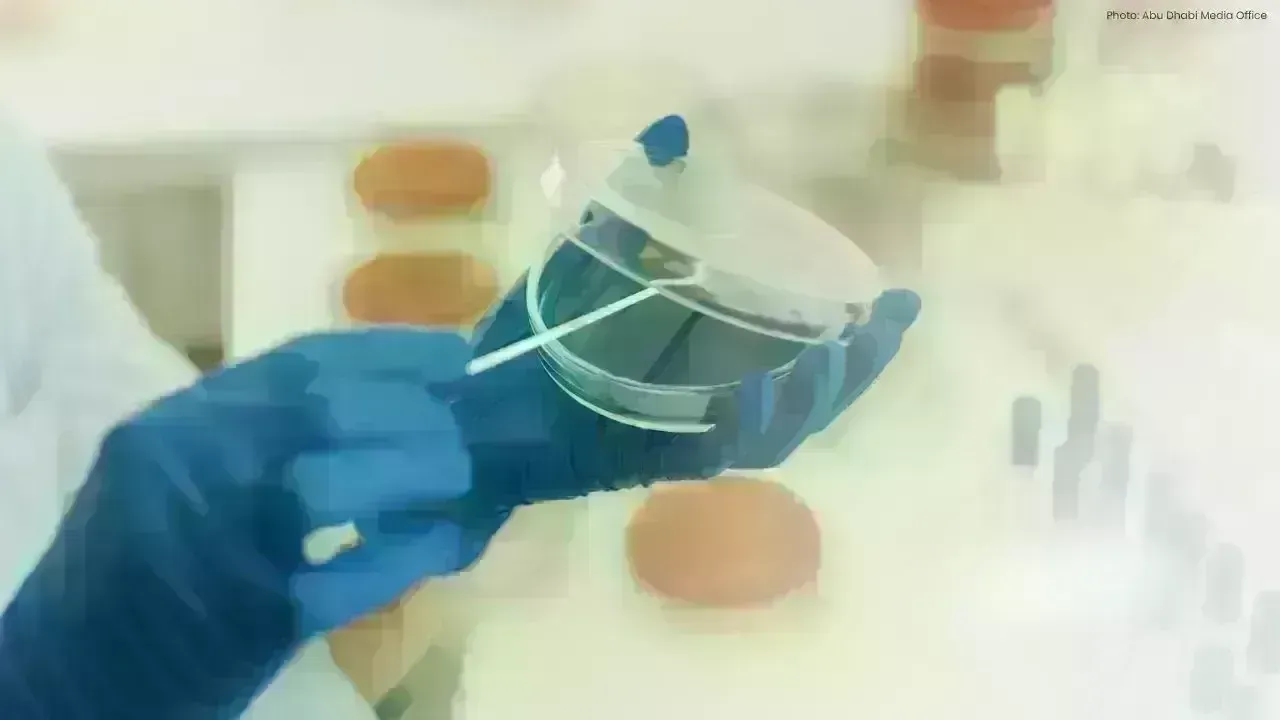
Additionally, Dr. Nemat Ullah Khan from Khalifa University is researching a promising neuroprotective compound known as Hi1a, derived from the venom of the Australian funnel-web spider. This compound is being tested on brain organoids to assess its potential in nerve protection and myelin repair.
Funding Overview and Future Opportunities
Since its initiation in June 2023, the NMSS Research Grants Programme has allocated nearly AED 11 million to initiatives related to MS research. This funding focuses on innovative treatments, understanding the disease, its prevalence within the UAE, and genetic investigations.
For the upcoming fourth cycle, researchers are expected to submit letters of intent from June 1 to July 5, 2026, followed by full proposals by August 23, 2026. Final funding decisions will be disclosed in December 2026.


 English