Post by : Bianca
Haleem
Eight of the world's biggest oil producers recorded a combined $93 billion in profits in the second quarter of 2026, almost twice their earnings during the same period in 2025.
The companies covered in the figures reported by OilPrice.com are Saudi Aramco, BP, Shell, Equinor, TotalEnergies, Eni, Chevron and ExxonMobil.
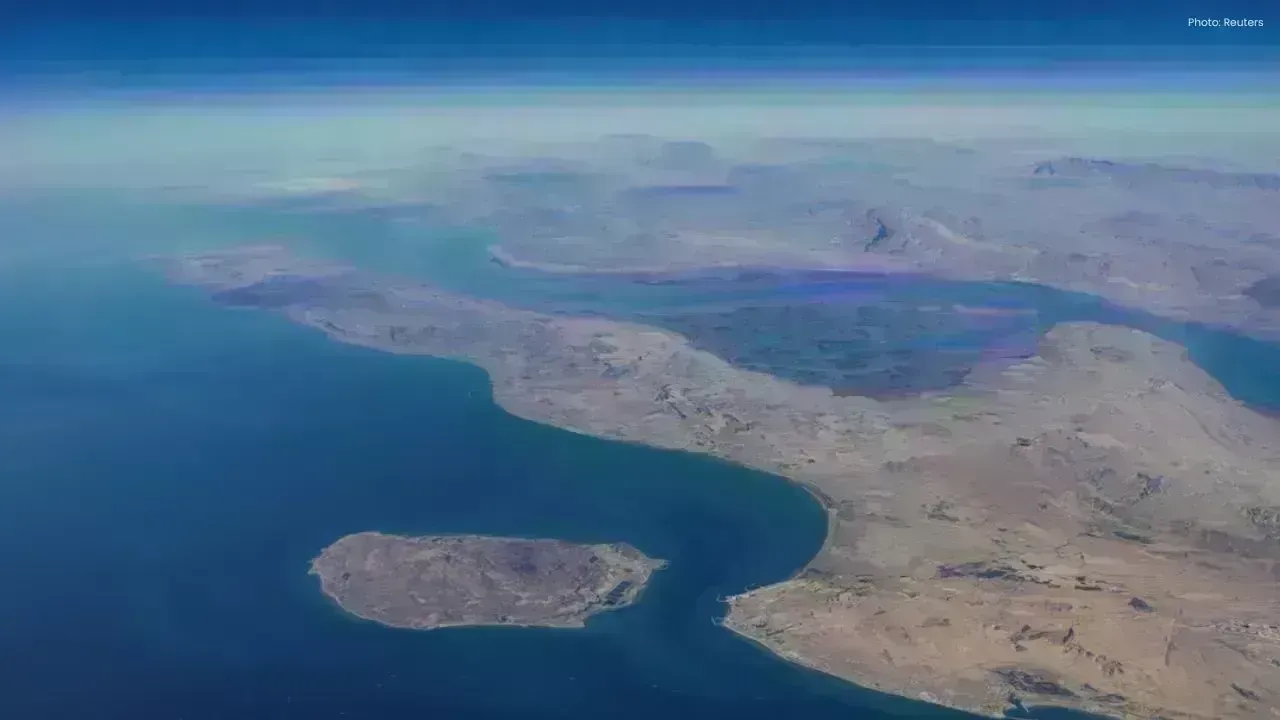
Together, the companies earned just under $50 billion in the second quarter of 2025. Their sharp increase in profits came as the Iran war disrupted energy supplies and shipping through the Strait of Hormuz, one of the world's most important oil transit routes.
The conflict, which began in late February, triggered a major disruption in energy markets and pushed crude prices higher.
Strait of Hormuz Disruption Hits Global Oil Supply
The International Energy Agency (IEA) has described the supply shock linked to the crisis as the largest disruption in the history of the global oil market.
Before the conflict, around 20 million barrels of crude oil and oil products moved through the Strait of Hormuz each day. During the disruption, those flows fell to a near standstill.
The sharp decline in shipments affected not only crude oil but also markets for diesel, jet fuel and LPG, increasing energy and shipping costs.
The IEA said oil flows through Hormuz averaged only about 2.7 million barrels a day between March and May, compared with roughly 20 million barrels a day before the conflict.
Aramco Leads the Profit Gains
Saudi Aramco recorded the largest increase among the companies highlighted in the report.
The Saudi oil giant's second-quarter net income increased 34% to more than $33 billion, supported by higher oil prices and increased sales volumes.
BP also recorded a substantial improvement. Its second-quarter profit reached $5.73 billion, almost twice its earnings a year earlier. According to the report, this was BP's highest quarterly net profit since the third quarter of 2022.
Chevron reported $12 billion in adjusted earnings, including $8.2 billion from upstream operations. Its quarterly profit reached its highest level in at least six years.
Oil Prices Rise Sharply Amid Market Disruption
The energy crisis sent crude prices significantly higher during the spring.
Brent crude was around $68 a barrel at the end of February before climbing to nearly $100 a barrel in May, according to OilPrice.com.
Prices later became highly volatile as expectations for a possible US-Iran settlement shifted alongside renewed concerns over shipping through the Strait of Hormuz.
On August 17, Brent was trading at about $89 a barrel, following a gain of roughly 6% the previous week. West Texas Intermediate was near $83 a barrel.
Oil prices were supported by stalled US-Iran talks and a sharp reduction in tanker movements through Hormuz.
Only five vessels crossed the strait on Saturday, while none crossed on Sunday. The previous weekend, 31 vessels had crossed, according to Reuters.
The UAE has also accused Iran of attacking a third tanker operated by Abu Dhabi National Oil Co., adding to concerns about further disruption to oil supplies.
Why the Oil Profit Surge Matters
The record earnings highlight the contrasting effects of the energy crisis.
Oil producers have benefited from higher crude prices, while consumers, airlines, manufacturers and transport companies have faced increased energy and shipping costs.
The IEA estimates that about 20 million barrels of crude and oil products normally pass through the Strait of Hormuz each day, representing around one-fifth of global oil consumption.
Alternative export routes, strategic reserves and additional production have helped reduce some of the impact. However, the IEA continues to identify the near-closure of Hormuz as a major risk to global energy security.
Windfall Tax Debate Gains Fresh Attention
The unusually high profits have renewed debate over windfall taxes on oil companies.
Critics argue that energy producers are benefiting financially from a geopolitical crisis that has increased costs for households and businesses.
The issue has also attracted criticism from US President Donald Trump, who said on August 3 that ExxonMobil and Chevron were making "too much money" from the shortage.
Oil companies have argued that their earnings reflect the need to supply energy during a period of severe market disruption. They also say higher profits help support investment, production and shareholder returns.
Energy Security Concerns Grow
The disruption has also highlighted the risks associated with continued dependence on oil and gas.
The IEA estimates that cumulative oil-supply losses from Middle Eastern producers have exceeded 1.3 billion barrels since the start of the war.
With oil flows through the Strait of Hormuz falling sharply, governments have faced broader energy-security concerns beyond the immediate impact on fuel prices.
The crisis has accelerated discussions around strategic oil reserves, alternative shipping routes, domestic production, renewable energy, electrification and diversification of energy supplies.


 English