Post by : Shweta
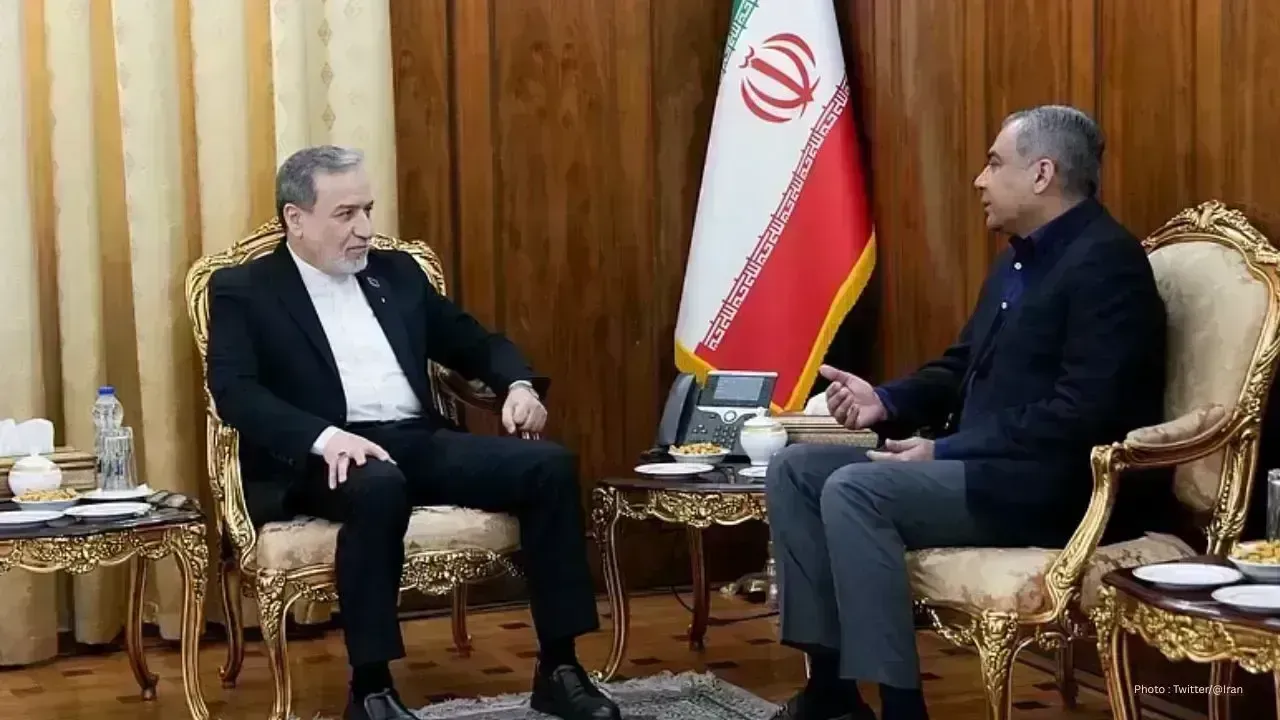
In Tehran, Pakistan's Interior Minister, Mohsin Naqvi, engaged in significant discussions with Iranian Foreign Minister Abbas Araghchi as part of Pakistan's renewed diplomatic efforts to facilitate stalled dialogues between the United States and Iran. This meeting occurs amidst escalating tensions in the Middle East, spurred by international apprehensions regarding Iran's nuclear ambitions and regional security challenges.
Naqvi's official two-day visit was tailored to promote peace in the region and encourage dialogue between Washington and Tehran. Reports from Iranian and Pakistani media suggest a range of topics were covered, from recent regional developments to sustained diplomatic efforts aimed at reviving peace talks, addressing the security situation in West Asia. Iranian officials recognized Pakistan's pivotal role in maintaining open lines of communication between the nations.
During their conversation, Foreign Minister Araghchi indicated that the United States' “contradictory and excessive” demands pose significant barriers to effective diplomacy. Iran has persistently accused Washington of exerting pressure while insisting upon major concessions related to its nuclear and defense strategies. Trust remains a critical issue in any prospective agreement with the United States, according to Tehran.
Pakistan has positioned itself as a crucial mediator, facilitating indirect communications between the US and Iran. Reports indicate that Pakistani officials have taken on the responsibility of relaying messages between both parties amid stalled direct negotiations, exacerbated by recent military tensions and ceasefire dialogues. Naqvi has actively engaged with officials from both nations over the last several weeks.
These discussions are pivotal given the sensitive state of regional security. Heightened tensions regarding Iran’s nuclear program, the strategic Strait of Hormuz, and ongoing conflicts involving Israel and US allies have intensified fears of a wider crisis. Moreover, Iran has tightened its security measures and shipping controls around the Strait of Hormuz, a critical artery for global oil trade, raising alarms in energy markets.
Pakistani officials advocate for diplomatic solutions while seeking to curb instability in the region. Experts speculate that Pakistan’s involvement underscores its strategic aim to enhance diplomatic influence while balancing relationships with Iran, Gulf nations, China, and the United States. A decrease in tensions between Tehran and Washington is expected to bolster regional economic and security conditions.
While no significant breakthroughs have been reported thus far, the meeting in Tehran indicates that diplomatic exchanges between Iran and the US are persisting through regional intermediaries. Analysts believe future progress hinges largely on the willingness of both parties to compromise on contentious issues, including nuclear enrichment, sanctions, and military engagements in the region. As such, Pakistan continues to emerge as a mediator in efforts to avert another major conflict in the Middle East.


 English