Post by : Shweta
Analysts are increasingly raising alarms about the “normalisation of scandal” affecting both the United States and Israel. In these nations, recurrent political controversies, corruption charges, legal battles, and wartime decisions are becoming commonplace. Experts believe that this continual cycle of scandals is diminishing public outrage and undermining accountability.
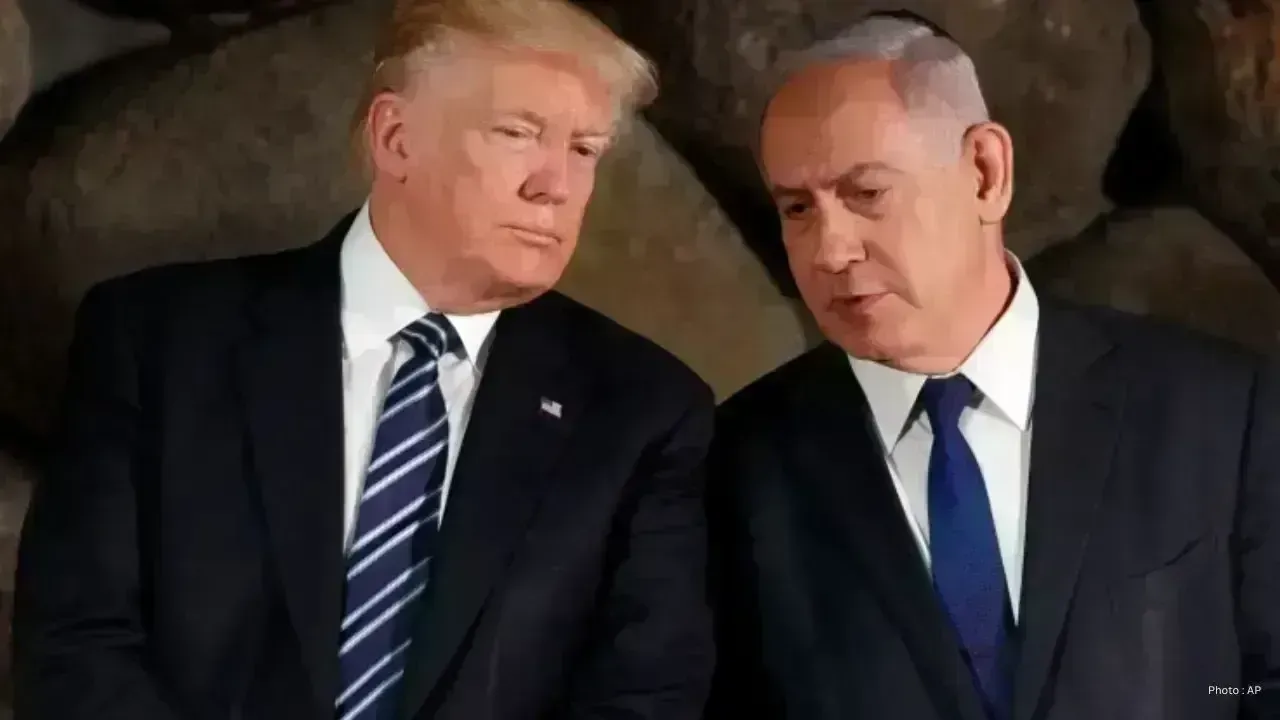
In the United States, particularly through and after Donald Trump’s presidency, polarization has intensified. The political landscape has been marked by legal investigations, impeachment proceedings, electoral disputes, and heated rhetoric, creating an environment where scandals which once ignited national crises are now often fleeting news items.
Meanwhile, Israel grapples with its set of political scandals tied to corruption cases, judicial reforms, military actions, and internal strife. Prime Minister Benjamin Netanyahu continues to defend his position amid various corruption accusations, emphasizing how these issues have become normalized within the fabric of Israeli politics.
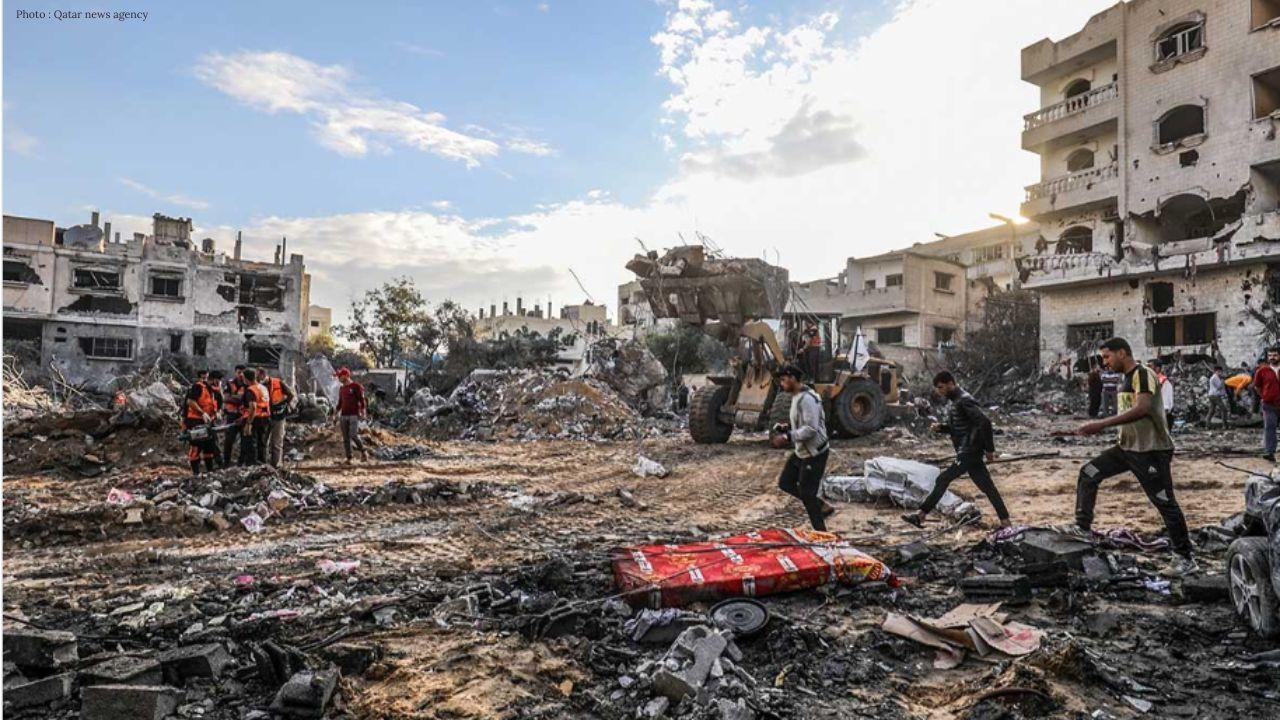
The ongoing conflict in Gaza adds further complexity to the discussion about political accountability. Human rights organizations and global observers have voiced concerns over civilian casualties and humanitarian crises raised by military decisions. Despite this, experts caution that constant exposure to controversies related to conflict can shield political leaders from significant consequences.
The role of modern media — particularly social media — plays a crucial part in this trend. With relentless news cycles and politicized online engagements, many controversies rapidly morph into a broader wave of outrage, distraction, and denial. This constant information flow can lead serious allegations to become perceived as routine.
Political scientists highlight that the ongoing normalisation of scandals may weaken democratic structures over time. They assert that as controversies fail to evoke strong accountability, public trust in political, judicial, media, and governmental entities may gradually erode.
In both nations, supporters of leaders often dismiss criticisms as partisan attacks rather than legitimate calls for accountability, resulting in a politicized public landscape where perceptions of scandals hinge more on political affiliation than facts.
This issue gains heightened visibility, particularly during wartime and security crises. In Israel, proponents argue that strong leadership is essential amidst security threats, whereas critics contend that urgent circumstances shouldn’t exempt leaders from scrutiny regarding political choices or humanitarian issues. A similar conversation occurs in the US around foreign policy and military actions.
There’s also a notable convergence between politics, media strategies, and public relations today. Political figures gauge their scandal responses not only through traditional channels but also directly engage supporters via social media, televised appearances, and rallies, helping them maintain support even amid criticism.
The US-Israel relationship further amplifies these concerns globally. Washington continues to stand as Israel’s closest ally, providing critical military and political support amid ongoing conflicts. Critics assert that such alliances might diminish external pressures regarding contentious decisions, while advocates argue that the partnership is vital for ensuring regional stability.
Public sentiment remains polarized in both regions. Some argue that extensive media coverage distorts issues for political gain, while others worry about the gradual erosion of democratic values and trust fostered by frequent scandals.
Critics emphasize that the real issue isn’t merely the scandals themselves but societal responses over time. When scandals become commonplace, experts warn that enforcing political accountability becomes increasingly challenging, leading to heightened skepticism towards public institutions.
As divisions intensify in the US and Israel, the dialogue regarding leadership, accountability, media influence, and democratic values is expected to remain pivotal in both domestic and global politics.


 English