Post by : Saif
Al-Najjar
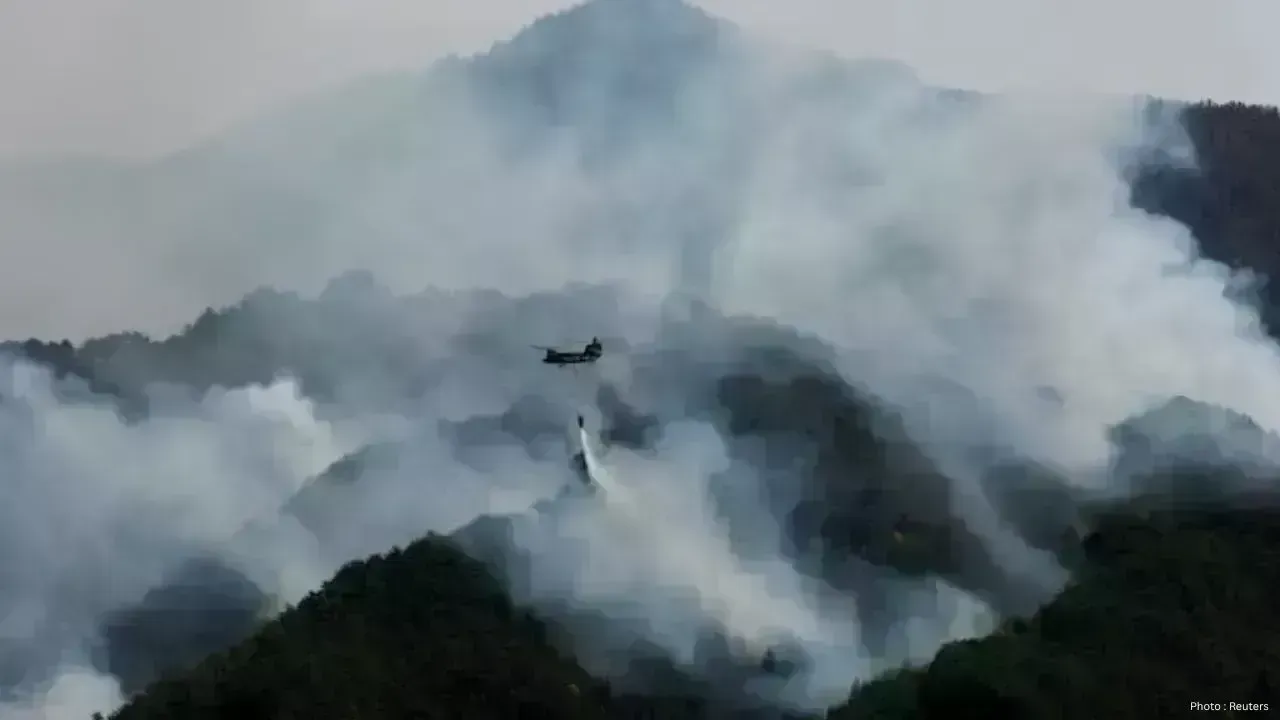
Wildfires are now occurring worldwide at unprecedented levels, raising alarm among scientists, governments, and environmental advocates. Recent data shows that global fire incidents are at some of the highest ever recorded, driven by escalating heatwaves and severe weather due to climate change.
Experts warn that as temperatures continue to climb this summer, many countries might encounter even worse wildfire conditions. The rising number of wildfires is impacting ecosystems, air quality, agriculture, and public health in numerous areas.
The surge in fire activity is largely attributed to a volatile mix of extreme heat, drought, and strong winds, which create optimal conditions for ignition and rapid fire spread.
Countries across Europe, North America, South America, Asia, and Australia have reported significant wildfire outbreaks this year. These fires have damaged homes, necessitated evacuations, and caused extensive environmental harm.
Climate researchers assert that global warming is intensifying the frequency and severity of these wildfires. Increased temperatures lead to drier soil, vegetation, and forests, making them more susceptible to fires. Prolonged heatwaves and diminished rainfall further elevate risks in certain areas.
The current situation starkly illustrates the overt impacts of climate change. Wildfires that previously occurred only in specific seasons are now emerging earlier, lasting longer, and affecting wider territories.
In terms of public health, the smoke produced by wildfires poses serious risks. Harmful particulate matter can impair lung function and trigger respiratory issues, particularly in children, the elderly, and individuals with pre-existing conditions. Many regions have already seen schools shuttered and residents advised to remain indoors due to poor air quality.
Wildlife is similarly under threat. Forest fires obliterate habitats, kill animals, and devastate ecosystems that could take years to mend. Some endangered species are facing heightened risks as their living environments are repeatedly destroyed.
Experts express particular concern regarding forests that are crucial for regulating global climate. Vast wildfires in significant locations like the Amazon rainforest, Canadian woodlands, and parts of Southeast Asia release substantial carbon dioxide into the atmosphere, thereby aggravating global warming and perpetuating a harmful cycle.
The economic ramifications of wildfires are also escalating. Authorities are pouring billions into firefighting efforts, disaster recovery, rebuilding, and infrastructure repair. Farmers are suffering losses in crops and livestock due to fire devastation and drought.
The wildfire situation is becoming a pressing political concern ahead of upcoming international climate conferences. Environmental advocates are urging world leaders to take stronger measures to cut greenhouse gas emissions and enhance funding for climate protection initiatives.
Simultaneously, firefighters worldwide are under mounting stress. Many nations struggle to control numerous large-scale fires concurrently, especially during scorching heat periods when resources are stretched thin.
Experts assert that focusing on prevention is as crucial as emergency response. Governments should enhance forest management, establish early warning systems, bolster evacuation protocols, and promote fire safety education among communities.
This crisis underscores how climate challenges in one area can have far-reaching consequences globally. Smoke from significant wildfires can traverse borders, while rising temperatures affect weather systems worldwide.
Scientists caution that if global warming continues unabated, future wildfire seasons may pose unprecedented dangers. Certain regions could experience temperatures and fire conditions previously unseen in modern history.
Despite these dire warnings, experts believe that collaborative international efforts and swift climate initiatives can mitigate long-term hazards. Investments in renewable resources, forest safeguarding, clean industries, and sustainable environmental frameworks could help alleviate the escalating climate crisis.


 English