Post by : Anis
Al-Rashid
Redefining Work-Life Balance for Today
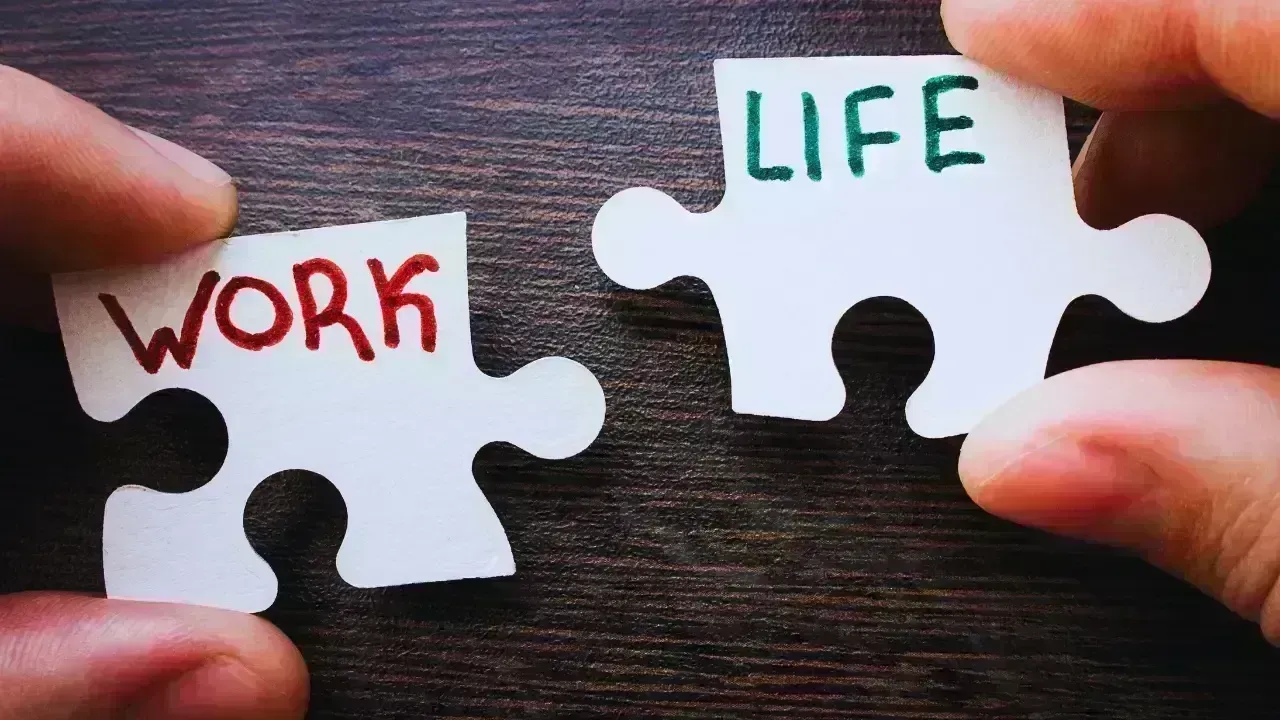
Traditionally, work-life balance meant a clear break between job responsibilities and personal time. However, as we head into 2026, this traditional view seems increasingly outdated.
Advances in technology have blurred these boundaries, allowing work to occur anytime, anywhere. People are now reevaluating fundamental beliefs surrounding productivity and personal satisfaction. This shift has led to a new definition of balance, where control, rather than separation, becomes paramount.
In modern terms, achieving work-life balance signifies how work integrates into our lives, rather than compartmentalizing the two.
Transitioning from Fixed Hours to Flexible Working
Beyond the Clock: New Metrics of Productivity
In previous workplaces, the amount of time spent at desks defined productivity. By 2026, effectiveness is measured more by the quality and impact of work than by the hours logged.
Workers now prioritize their schedules according to personal energy levels instead of adhering to rigid work hours, with alternatives like early starts or shorter focused periods replacing the traditional nine-to-five structure.
Such flexibility empowers individuals to better align their professional duties with their personal needs.
Embracing Asynchronous Communication
In an era where teams operate across diverse time zones, immediate availability is no longer a standard expectation. Asynchronous interactions have lessened the need for constant online presence.
This evolution allows employees to manage personal tasks without guilt or anxiety, thereby redefining balance through autonomy.
The Emergence of Hybrid and Remote Work Models
Redefining the Workplace
As we approach 2026, hybrid work structures are established across various sectors. Offices now serve as collaborative spaces rather than daily workplaces. Homes, co-working hubs, and even temporary locations have become valid environments for work.
This transformation has allowed individuals to regain valuable time lost to commuting, contributing to a personalized balance between work and life.
The Responsibility of Flexibility
While remote options provide newfound freedom, they demand self-discipline. The modern balance relies on individuals setting personal boundaries and managing workloads proactively to avoid burnout, a challenge without the physical constraints provided by a traditional office.
Balance is now a self-directed effort.
Focusing on Mental Well-Being
Emotional Health and Balance
By 2026, the concept of work-life balance intertwines significantly with mental health. Persistent stress, burnout, and digital exhaustion are compelling both organizations and individuals to rethink their priorities.
Taking time off is increasingly recognized as essential rather than just a reward, with emotional recovery and psychological safety now critical for ongoing performance.
Reframing Rest as Productive
Rest is gaining recognition as a key to productivity. Mental health days and flexible leave options are becoming standardized in workplace culture.
This definitely illustrates the understanding that creativity, decision-making, and resilience thrive on rest, not just on relentless work.
Recognizing Boundaries
Mastering Disconnection
With constant access to work via technology, knowing when to disconnect is emerging as a vital life competency. For many in 2026, balance means confidently logging off without concern about being seen as disengaged.
People are increasingly setting clear expectations about communication, including when to respond and offline availability, to protect personal time.
Quality Over Quantity of Work
Long hours are losing their value as a badge of honour. More emphasis is now placed on efficiency, focus, and clarity rather than mere availability.
This cultural change is gradually diminishing the stigma around prioritizing tasks and safeguarding personal limits.
Career Paths Aligned with Personal Values
Flexibility and Purpose Prevail
Professionals now often choose positions that reflect their lifestyle and values over mere salary or prestige.
Work-life balance today encompasses:
-
Control of work schedules
-
Meaningful contributions
-
Opportunities for personal development
-
Time available for health and family
This evolution is reshaping definitions of career fulfillment.
Diversifying Roles and Interests
In 2026, many individuals embrace multiple roles, freelance opportunities, or creative endeavors alongside their main jobs. Balance is increasingly about varied engagement rather than a single defining role.
This approach fosters both financial security and personal gratification.
Adaptation by Organizations
Focus on Outcomes Over Activities
Employers are moving away from monitoring mere activity and shifting their focus to results. Trust-based performance models prioritize outputs rather than mere presence.
This strategy supports a healthier work-life balance by minimizing micromanagement and fostering self-guided work.
Culture as a Retention Strategy
In a competitive job landscape, organizations that prioritize work-life balance are more likely to retain talent. Companies that value personal time, mental health, and flexibility find themselves in a stronger position to attract skilled individuals.
Balance is transitioning from a benefit to a fundamental expectation.
Technological Impacts on Balance
Enhancing Efficiency with Digital Tools
Automation and advanced collaborative platforms have minimized manual workloads, allowing more time for value-adding efforts.
When harnessed properly, technology aids in achieving balance by enhancing efficiency.
Continuous Connectivity: A Double-Edged Sword
However, without careful management, technology risks blurring the lines between work and personal realms. Notifications and video calls can seep into personal time.
In 2026, maintaining balance hinges on deliberate and prudent use of technology.
A Personalized Approach to Balance
Defining Balance on Individual Terms
No singular definition of balance prevails today. Some may thrive under flexible hours while others prefer structured routines. The definition varies significantly across different life stages and roles.
This new understanding embraces diversity in how balance can be achieved.
Remaining Challenges in Achieving Balance
Imbalances in Flexibility Access
Not every sector can offer flexible or remote work setups, particularly in front-line roles. Closing this gap is essential for fostering an inclusive definition of work-life balance.
Avoiding Self-Inflicted Burnout
As individuals take charge of their boundaries, there's a risk of overworking under the guise of flexibility. Finding balance necessitates vigilance and awareness, not just the opportunity for it.
Looking Beyond 2026: The Future of Balance
Integration Over Division
The future envisions work-life balance transforming into work-life integration, where professional responsibilities evolve to fit within life’s context rather than clash with it.
Striving for success will center on crafting careers that promote long-term wellness rather than short-term achievements.
Conclusion: Redefining Balance
As we glance toward 2026, it is evident that work-life balance is less about equitable time distribution and more about control and sustainable choices. The ability to determine when and how to engage in work is becoming a critical measure of balance.
As new expectations arise, those who value well-being, personal boundaries, and meaningful work will shape the future landscape of careers. Balance is no longer a trade-off; it is essential for achieving both ambition and a fulfilling personal life.
Disclaimer:
This article serves informational purposes and reflects changing trends in the workplace and society.


 English