Post by : Anis
Al-Rashid
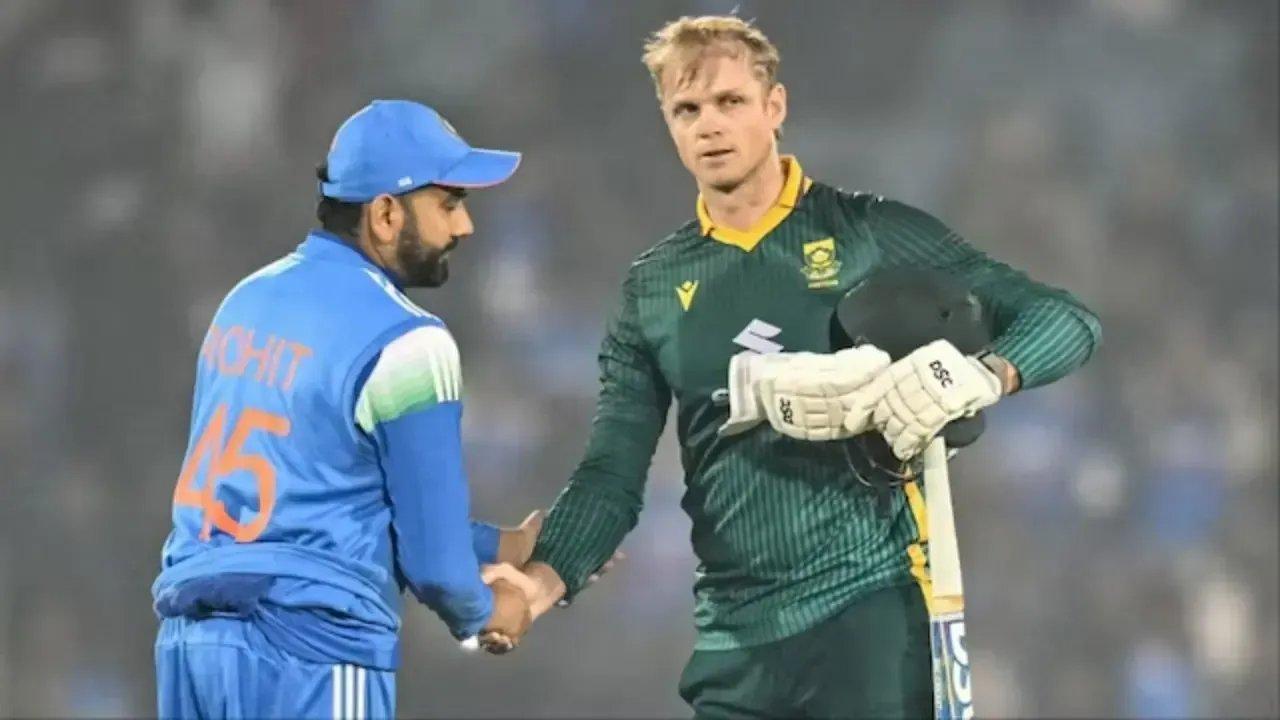
Photo: Screengrab@JioHotstar
A Match That Altered the Series Outlook
Anticipation soared as cricketers from India and South Africa faced off in the second One Day International, delivering not only a thrilling match but also redefining the series’ trajectory. India arrived brimming with confidence based on prior success, while South Africa was propelled by the determination to remain competitive. The encounter revealed more than just statistics; it was a battle of wits, strategy, and bold gameplay.
This contest illustrated why limited-overs cricket continues to captivate audiences worldwide. The intensity never waned, driven by moments of brilliance and intense pressure that even the most seasoned players couldn't ignore. For fans and commentators, the second ODI proved to be rich with insights on preparation, momentum, and the essence of teamwork.
This pivotal result not only rekindled South Africa's hopes but ignited discussions about team strategies, player forms, and the adaptability of both squads in evolving circumstances. The series, which many anticipated would heavily favour India, now seems wide open.
The Build-Up: Anticipation and Stakes for Both Teams
Leading up to the match, eyes were firmly on India, whose past performances suggested dominance and stability across the board. Each position appeared fortified with seasoned players or emerging talent, leaving minimal space for vulnerabilities. In contrast, South Africa was under the microscope, facing calls for fresh strategies and rejuvenation.
The challenge for India wasn't merely technical but psychological. High expectations can be both a boon and a burden. For this ODI, anything less than a convincing performance would likely fuel critical discourse. For South Africa, the stakes were stark: win or face a daunting path ahead in the series.
The atmosphere was electric. Stadium lights, media focus, and enthusiastic crowds turned what could have been a regular match into a high-stakes showdown. Players understood the importance of not merely participating but commanding their presence.
South Africa’s Strategy: Composed and Methodical
One of the standout characteristics of South Africa's performance was their calm aptitude. From the very first overs, they exuded preparation and composure. Effective bowling changes, mindful field placements, and calculated shots were hallmarks of their approach.
Disciplined Bowling Tactics
South Africa’s bowlers managed to maintain their own momentum without yielding any gifts. They opted for tight lines, strategic variations, and a relentless approach, leading to a rising tide of pressure on Indian batters, who struggled to find their footing.
Each bowler played their part in a grand scheme, balancing aggression and containment. This cohesive strategy systematically dismantled India's dependable batting lineup.
Fielding That Shifted the Game
Fielding can often be the deciding factor in nail-biting matches, and South Africa treated it as an offensive weapon. Quick reflexes, agility, and precision ensured that India was always feeling the pressure. Boundaries were limited, singles became frantic dashes, and every run gained was a hard-won battle.
The dynamic energy on the field translated into positivity in their dugout. Each success fueled their confidence as it became unmistakable that South Africa wasn’t just competing; they were seeking dominance.
India's Day of Challenges: An Uncharacteristic Performance
For a team typically in command, the second ODI served as a stern reminder that a name does not secure victories. India's downfall stemmed not from a lack of talent but from critical moments where decisions wavered and execution faltered.
Batting Struggles and Lost Chances
India's star-studded lineup failed to ignite cohesively. Promising starts didn't translate into significant innings, with partnerships unable to endure. Each wicket fell at inconvenient times, thwarting attempts at stabilization.
The shot selection drew scrutiny. Multiple dismissals seemed avoidable, symptoms of impatience or miscalculations rather than brilliance from the other side. In a match that rewarded discipline, India's lapses proved costly.
Bowling Without Precision
The challenge for India’s bowlers revolved around breaking partnerships during periods of pressure. Despite attempts to hold the line, South Africa's batters displayed prowess and cleverness, smoothly rotating strikes and capitalizing on any lax deliveries.
Adjustments appeared too late; by the time field placements were altered or new tactics were employed, the momentum had already shifted. This reactive approach took a toll on India’s prospects.
The Crucial Moment: When Momentum Shifted
Every match presents a tipping point, and in this case, it materialized through a crucial partnership coupled with a field mistake. A missed catch, a boundary, and a subsequent error unfolded a chain of events that India would rue.
Seizing the moment mercilessly, South Africa transformed potential disaster into consolidation. What could have resulted in a late-game panic transitioned instead into a commanding performance.
This segment underscored the distinction between surviving and seizing control. South Africa aimed for the latter and, crucially, accomplished it during pivotal passages of play.
Leadership Insights From the Match
Cricket often serves as a stage for leadership lessons, and this match upheld that notion. Captains from both sides encountered challenging scenarios that necessitated composure and courage.
South Africa’s leadership shone with decisiveness—actions were swift, communication clear, and trust in players unwavering even as plans needed alterations. Conversely, India’s leadership, while seasoned, faced challenges due to a more reactive stance.
In high-level sports, leadership isn't assessed on a single outing, yet matches like these reflect patterns that can inform future engagements.
Fan Reaction: A Surge of Responses on Social Media
Almost instantly after the final whistle, social media swarmed with reactions. Indian supporters voiced their displeasure while acknowledging South Africa’s commendable effort. Conversely, South African fans jubilantly celebrated a performance that reignited their national pride.
Former players shared analyses, fans debated player selections, and commentators broke down strategies. This match transformed into a cultural phenomenon—played out not only on the field but also across digital platforms.
What resonated universally was the respect commanded by both teams. Regardless of emotional tones, the acknowledgment of quality play remained a constant.
Implications for the Series Ahead
With the series balanced, anticipation has surged. India, stung by their loss, will approach the next game with fierce determination, while South Africa, riding high from success, must guard against complacency.
Selection decisions will be subjected to keen scrutiny. Forms will be analyzed in depth. Strategies will adapt. Both teams recognize that a misstep could redefine the entire series outlook.
From a neutral standpoint, this evolving narrative makes for an enthralling contest. What once seemed predictable is now a gripping rivalry.
Looking Beyond the Match: The Broader Significance
Beyond the final score, the second ODI provided extensive insights into the current landscape of cricket. It underscored that preparation triumphs over prediction, collective strength eclipses individual stardom, and flexibility distinguishes outstanding teams from merely good ones.
For South Africa, this victory reestablished their narrative. It served as a powerful reminder of their capability to rise, regroup, and challenge. For India, it became a critical reflection point, identifying areas meriting focus despite their overarching excellence.
Ultimately, this match will be remembered for its dramatic unfolding, transforming cricket into a wonderfully unpredictable spectacle.
In Conclusion: The Series Revitalized
The second ODI concluded not only with a result but reignited the entire series narrative. South Africa's triumph infused it with emotion, rivalry, and a sense of occasion. India's setback incited deep reflection and renewed resolve.
As both teams gear up for upcoming challenges, one truth stands firm: this series is very much alive. And for fans across both nations, that may well be the most significant victory of all.
Disclaimer:
This article is derived from publicly observed match developments and general analysis intended for informational purposes only. The views expressed do not reflect official statements from any team, player, or governing agency.


 English