Post by : Saif
Al-Najjar
The ceasefire agreed upon earlier this month between Iran and the United States is now under threat as peace talks show signs of stagnation. Renewed tensions in the Strait of Hormuz and the failure of diplomatic initiatives have sparked concerns about the ceasefire's viability. Both nations are sending conflicting messages regarding their willingness to negotiate.
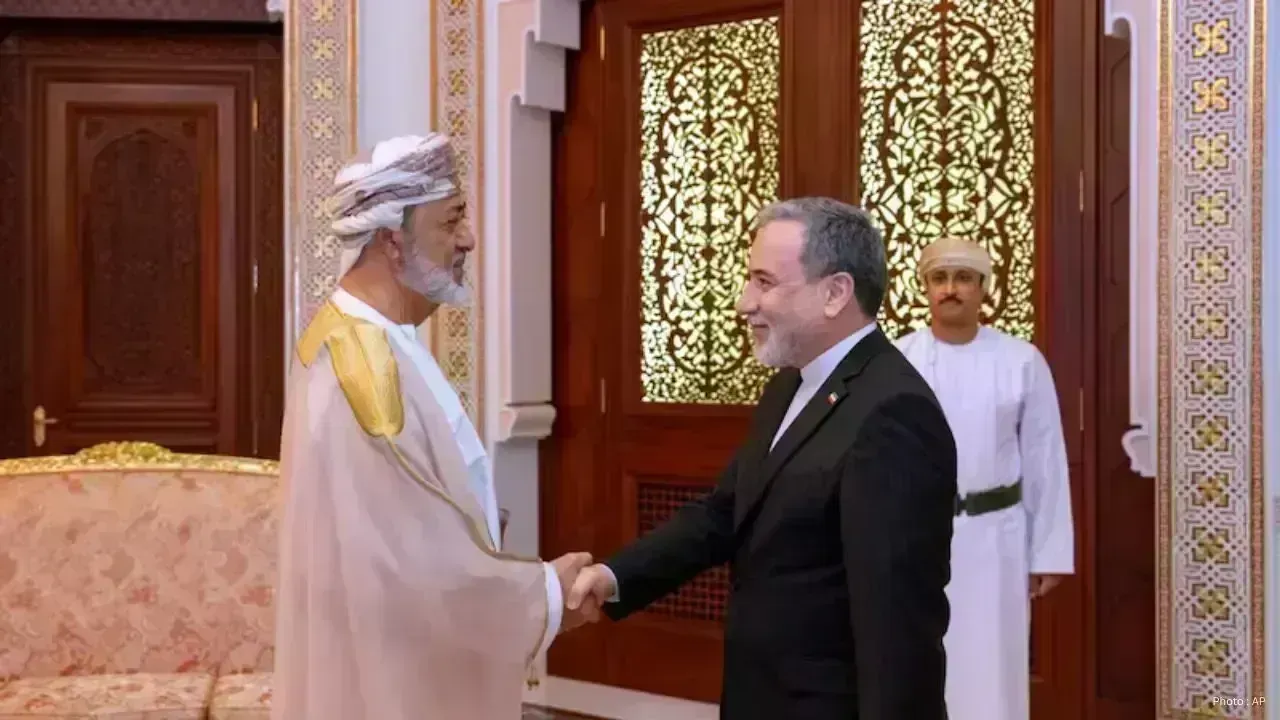
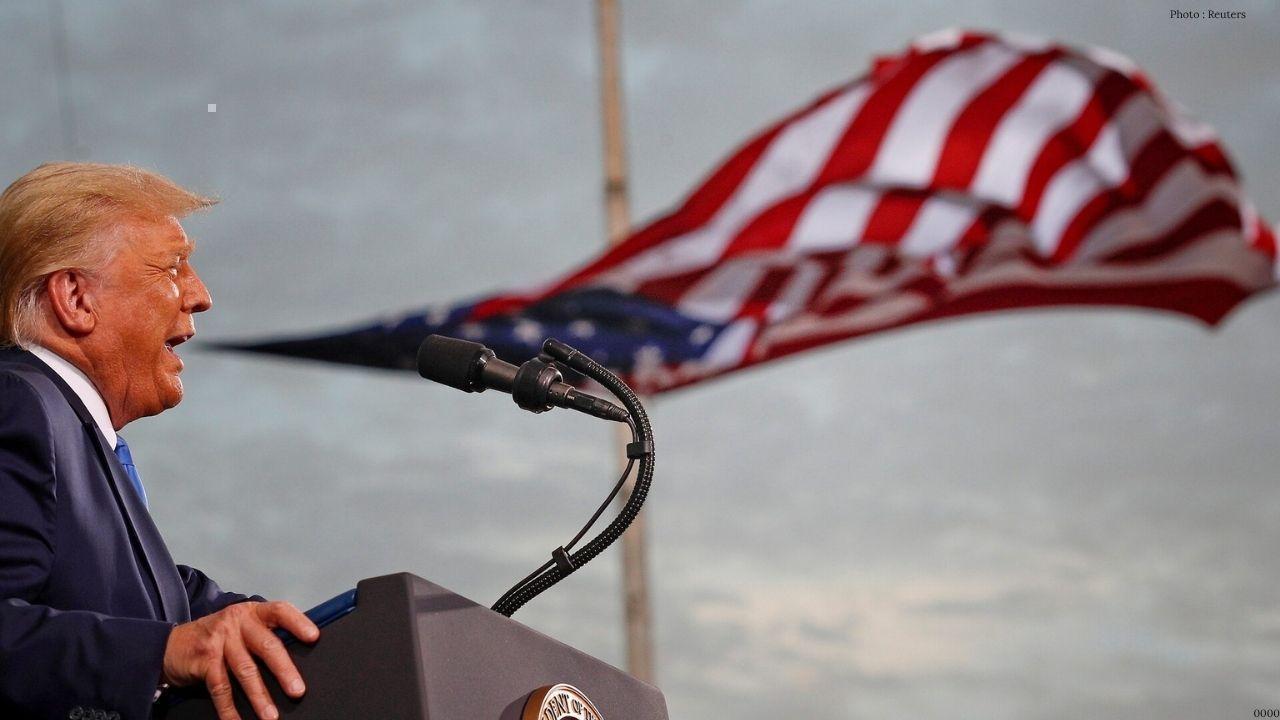
Diplomatic efforts in Pakistan aimed at reigniting dialogue proved unsuccessful. Iranian Foreign Minister Abbas Araqchi made a trip to Islamabad to advocate for discussions, but the U.S. opted not to send representatives. This decision came after President Donald Trump hinted he prefers to see a stronger commitment from Iran before engaging in any meetings. Consequently, direct negotiations remain postponed.
Pakistan is striving to mediate between the two parties, transmitting messages and advocating for dialogue to defuse rising tensions. Although indirect communication persists, the lack of in-person discussions illustrates the challenge of restoring trust between Iran and the U.S.
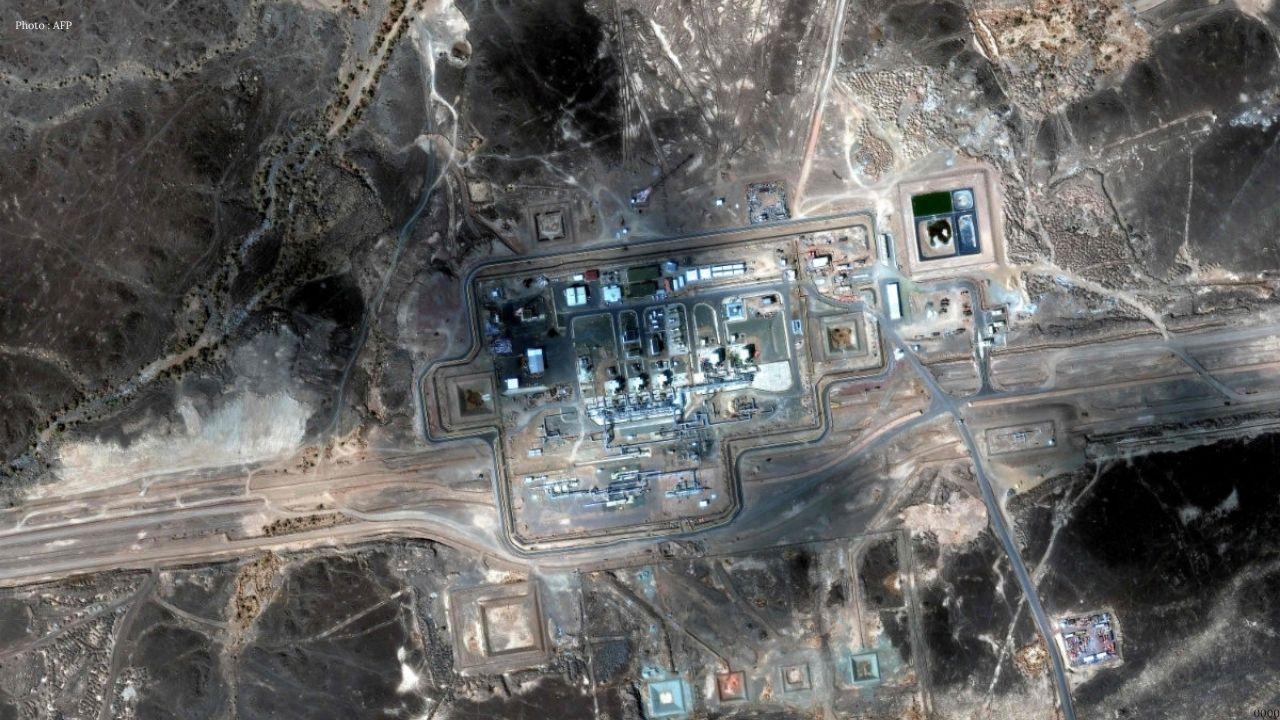
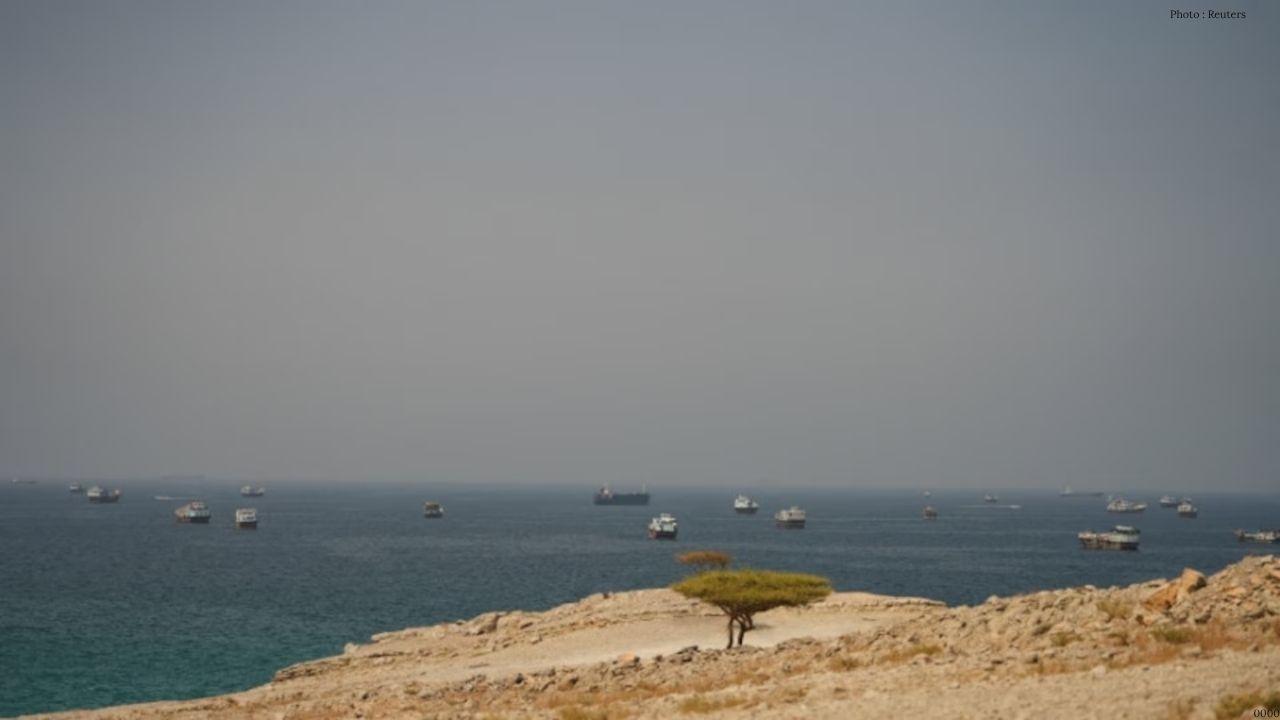
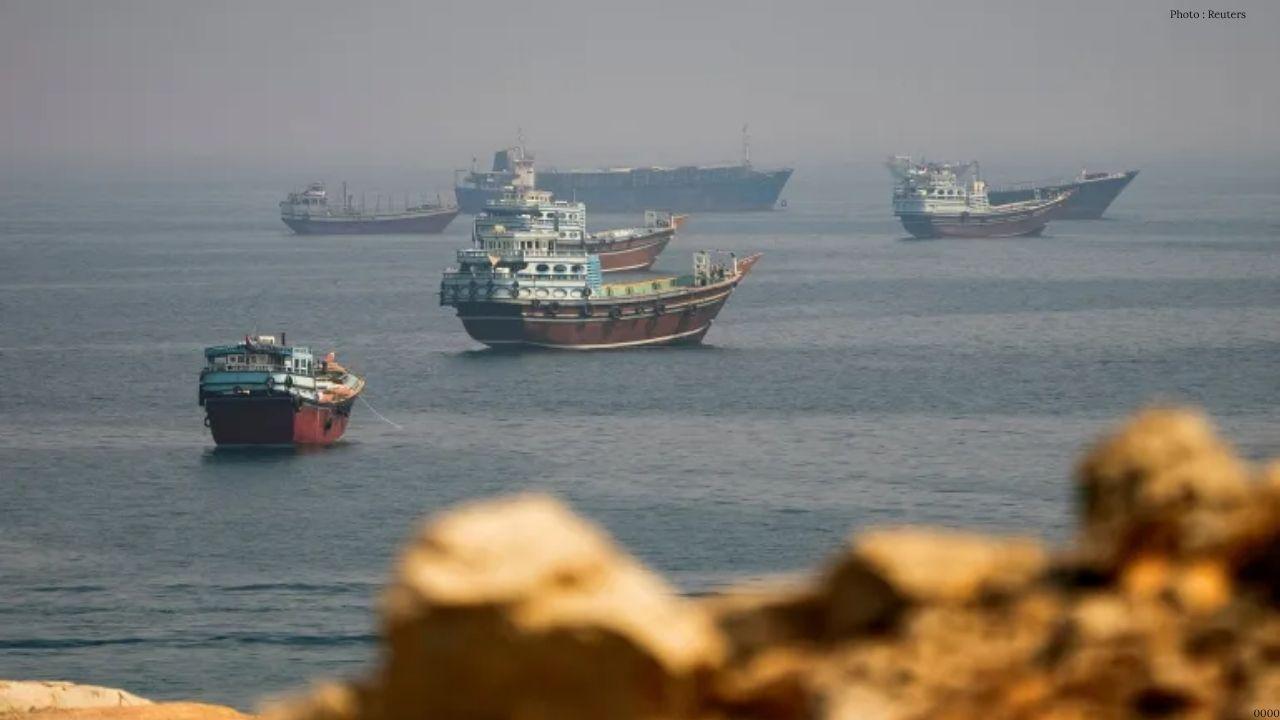
The Strait of Hormuz remains a focal point of concern in this rising conflict. This vital shipping channel is essential for the global oil market, and any disruptions there could swiftly impact energy prices globally. Recent moves such as enhanced military presence and shipping restrictions have escalated the situation. Consequently, countries worldwide are monitoring developments closely, as any increases in tensions could have broader implications.
Although a ceasefire is formally in effect, the situation has not fully stabilized. Both sides engage in actions that exacerbate tensions, including assertive public statements and military deployments. This indicates that the ceasefire remains delicate and may collapse if talks do not resume promptly.
The core of the issue lies in fundamental differences between the two nations. The U.S. aims to prevent Iran from advancing its nuclear capabilities, while Iran seeks relief from economic sanctions and acknowledgment of its rights. This clash of objectives has historically been an impediment to progress in negotiations and continues to obstruct the path toward a new agreement.
Regional dynamics only amplify the pressure. Ongoing conflicts involving Israel and other Middle Eastern states complicate the landscape further. The implications of this conflict have extended well beyond the two involved nations.
A significant hurdle remains the disconnect between rhetoric and reality. While leaders advocate for peace, actions such as canceling meetings and imposing stringent conditions hinder genuine progress. This persistent distrust continues to impede meaningful movement toward resolution.
Looking forward, the likelihood of swift advancements appears slim. Both parties stand their ground, unwilling to make significant concessions. Nevertheless, ongoing mediation efforts, especially by Pakistan, provide a glimmer of hope that dialogue might eventually resume.
At present, the ceasefire teeters on a precarious edge. The absence of sincere dialogue and mutual confidence heightens the prospects of renewed conflict. The international community's focus will remain on this critical region, given its importance to global stability and peace.


 English