Post by : Shweta
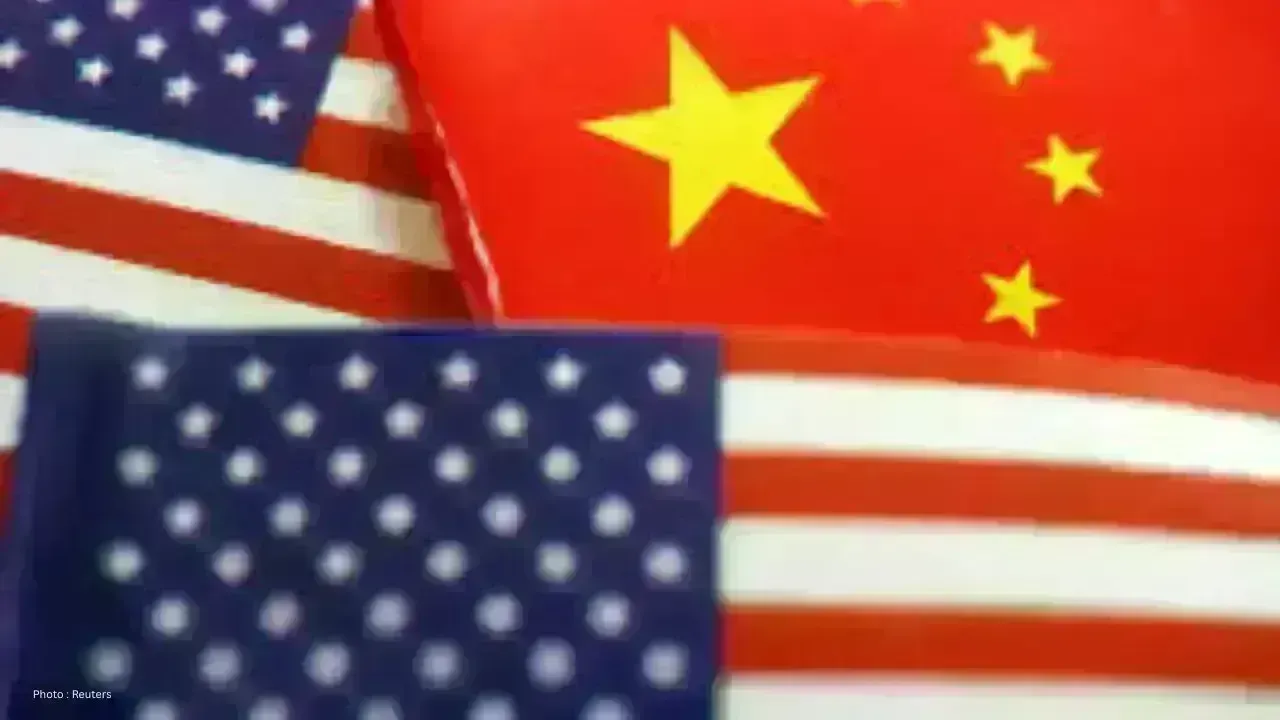
Tensions between Taiwan and the U.S. have escalated after President Donald Trump referred to potential U.S. arms sales to Taiwan as a possible “bargaining chip” in upcoming discussions with China. This statement triggered a strong response from Taipei, which underscored the importance of American military support for Taiwan's defense and overall regional stability.
In his comments, Trump indicated that future arms transactions could be integrated into broader negotiations between Washington and Beijing, a perspective that raised alarms among Taiwanese officials and analysts. They expressed concern over how Taiwan’s defense requirements might be entangled with larger geopolitical negotiations between the two powers.
In reaction to these developments, the Taiwanese government reiterated that U.S. defense supplies are critical for countering military pressures from China. Officials highlighted that sustaining strong defense capabilities is essential to ensure peace and stability across the Taiwan Strait, particularly given the uptick in Chinese military maneuvers near the island.
Taiwanese authorities emphasized that arms acquisitions from the U.S. are rooted in a long-term security partnership and aimed strictly at self-defense. They contended that a robust deterrent framework minimizes conflict risks and bolsters regional stability in East Asia.
China has vocally opposed U.S. arms deals with Taiwan, reasserting its claim over the island under the “One China” directive. Beijing has consistently cautioned international entities against military engagement with Taiwan.
Taiwan remains a contentious aspect of U.S.-China relations. While Washington acknowledges Beijing as China’s government, it maintains unofficial connections with Taiwan and supplies defensive resources under U.S. law, often leading to diplomatic tensions.
Security analysts assert that Taiwan's military strategy significantly relies on U.S. assistance due to the stark disparity in combat capabilities with China. Experts believe that sophisticated American defense systems enhance Taiwan’s ability to address military threats and can impede or delay possible aggressive actions.
Trump’s remarks have ignited domestic political discussions, with some critics arguing that Taiwan’s security should not be treated as a leverage point in diplomatic dealings with China. Others maintain that strategic flexibility is integral to international diplomacy.
As China intensifies military drills near Taiwan, regional allies and Western nations are increasingly concerned about potential escalations in the Indo-Pacific. In response, Taiwan has ramped up its defense expenditures and strengthened collaborations with international partners.
Despite the ongoing tensions, Taiwanese officials reaffirmed their strong ties with Washington, committing to continued collaboration on defense issues. Analysts anticipate that tensions relating to Taiwan will remain a pivotal element in global politics amid the rising competition between the U.S. and China.


 English