Post by : Anis
Al-Rashid
Education Beyond Traditional Boundaries
Historically, education has been structured with students attending schools, guided by teachers, in a system dominated by educational institutions. However, this paradigm is shifting dramatically. Around the world, countless individuals are turning away from conventional classrooms in favor of self-directed, DIY education.
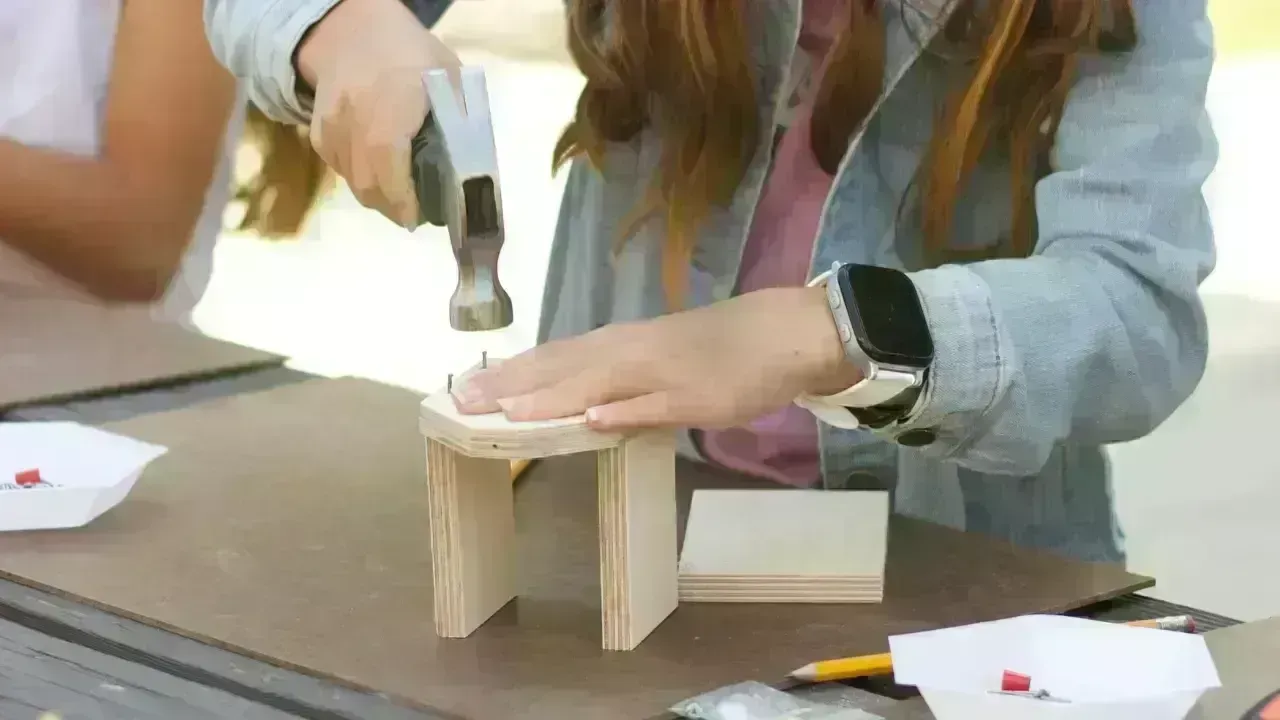
DIY education encompasses self-initiated, flexible, and often informal learning methods. This includes online courses, video tutorials, peer collaboration, and independent study paths. Once considered supplementary, it is now often prioritized, particularly by adults, professionals, and young learners.
This transformation isn’t merely a reaction against schools; it's driven by technological access, labor market evolution, increasing educational expenses, and the belief in personalized, ongoing, practical learning.
Factors Fueling the DIY Education Movement
The growth of DIY education stems from profound structural changes rather than mere trends. At its essence is accessibility; with the rise of smartphones, affordable internet, and digital platforms, knowledge that was once confined to institutional settings is now accessible worldwide.
Economic elements significantly influence this shift. In numerous regions, formal education costs have soared while its assurances have diminished. As degrees no longer guarantee stable job prospects, learners now pursue skills with direct applicability in the job market. DIY education presents a cost-effective, expedient alternative.
Culturally, the shift towards self-guided learning is gaining traction. Learners are increasingly valuing autonomy and desire control over their educational journeys, which traditional systems often fail to provide.
Internet's Role in Universalizing Education
The internet has removed many traditional barriers to learning. Individuals can now access tutorials and learning communities swiftly, bridging geographical gaps.
This democratization empowers learners to tailor their educational paths. By assembling knowledge from various sources, they can adapt their learning to fit evolving goals.
Importantly, DIY education fosters lifelong learning. With the transient nature of modern careers, individuals must continually reskill. Traditional educational modalities, designed for early education, fail to address these needs, and DIY can fill that void.
Changing Motivations and Expectations Among Learners
Contemporary learners focus on outcomes, seeking education that leads to tangible results like skill mastery and employability. DIY education meets these aims by emphasizing practical knowledge rather than conventional credentials.
Additionally, learning preferences have evolved. Many learners favor concise, modular content over prolonged academic courses and desire immediate feedback and relevance. DIY platforms cater to these needs while traditional schools often lag behind.
This doesn’t imply a rejection of structure; rather, learners seek adaptable frameworks that support individual pacing and interests instead of inflexible timelines.
Redefining Skill Acquisition Through DIY Education
A major driving force behind DIY education is the demands of the skills economy. Employers are increasingly favoring demonstrable skills over formal qualifications. Practical experience and portfolios now hold substantial weight in hiring decisions.
DIY learners concentrate on rapidly evolving fields such as coding, design, data analysis, and entrepreneurship. This allows for continuous skill updates, making traditional curricula feel obsolete.
By contrast, DIY education enables quick adjustments to align with market shifts, providing learners with an edge in dynamic industries.
Effects on Post-secondary Institutions
As DIY education continues to gain ground, universities face increasing pressure. Changing enrollment patterns, particularly among adult students, indicate a waning interest in traditional degrees.
In response, some institutions are developing hybrid models that combine online and in-person learning, while others are introducing shorter credentials. However, these adaptations often lag behind student expectations.
Consequently, the role of institutions as singular sources of knowledge is diminishing. Their strength lies more in community engagement, mentorship, and accreditation than solely in content delivery.
Implications for Primary and Secondary Education
The influence of DIY education extends to younger learners exploring alternative pathways, like homeschooling or unschooling. Parents are increasingly complementing or even substituting traditional education with online resources tailored to individual needs.
This trend poses challenges regarding equity and guidance. Although DIY offers flexibility, it necessitates self-discipline, support, and digital literacy. Traditional schools continue to play a vital role in offering structure, social engagement, and foundational skills.
Challenges Facing DIY Education
Despite its benefits, DIY education presents challenges. Self-directed learners require motivation, critical thinking, and the ability to assess information quality, and not every learner is equipped for this responsibility.
Another obstacle is the recognition of credentials. While skills are essential, many sectors still demand formal qualifications. DIY education can supplement but should not entirely replace traditional routes.
Access disparities remain a concern. Although digital learning options are widespread, reliable internet and suitable devices are not universally available. Without thoughtful policy support, DIY education may exacerbate existing inequalities.
Shifting Roles for Educators in a DIY World
As DIY education expands, teacher roles are changing. Educators are moving from simply imparting knowledge to becoming facilitators, mentors, and guides.
Teachers now focus on assisting learners in navigating information, developing critical analysis, and ethically applying knowledge. The emphasis shifts to context, feedback, and personal connection rather than standardized content delivery.
Schools that adapt to this evolving role can remain pertinent, while those that resist risk alienating learners.
Rethinking Assessment in the Age of DIY Learning
One major challenge for traditional schools lies in assessment, as DIY education prioritizes learning outcomes over standardized testing, which is heavily relied upon in many institutions.
Emerging alternatives like project-based evaluations and peer assessments are reshaping how learning is measured, pushing schools to reconsider their assessment strategies to accurately reflect real-world competencies.
Cultural Transformations in Education
Education isn’t just a phase anymore; it's viewed as an enduring journey. The DIY education model reinforces this perspective by fostering ongoing learning throughout life.
This cultural transformation affects societal valuations of credentials and success. Learning becomes a personal venture rather than a strictly defined trajectory.
Traditional educational institutions must align with this mindset, encouraging curiosity and adaptability rather than merely focusing on completion metrics.
Workforce and Economic Considerations
The labor market is undergoing rapid changes due to automation and remote working trends. DIY education enables individuals to adapt more swiftly than institutional frameworks.
There is growing recognition from governments and employers regarding informal learning, with some even integrating DIY qualifications into hiring processes and reducing reliance on traditional degree metrics.
This evolution compels educational institutions to adapt curricula to align with actual economic demands while prioritizing depth, ethics, and analytical thinking.
Embracing Hybrid Education Models
The rise of DIY education signifies not an end for traditional schools but a clarion call for transformation. Educational institutions that welcome flexibility and collaboration can thrive alongside DIY initiatives.
Partnerships with digital platforms can broaden educational outreach and relevance. By updating curricula and emphasizing experiential learning, schools can rebuild trust in formal education.
Ultimately, schools must remain attuned to learner needs and reasons behind the shift toward DIY education, paving the way for meaningful reforms.
The Future of Education: Hybrid Pathways
The future of education isn’t a binary choice between DIY and traditional methods; it’s a blend of the two. A dynamic ecosystem of formal institutions, self-directed learning, and digital platforms will coexist.
As DIY education continues to flourish, it meets essential demands in our evolving landscape, while traditional institutions remain crucial for structure and community.
The challenge moving forward is achieving integration—developing systems that support autonomy while ensuring quality, guidance, and inclusiveness.
Disclaimer:
This article serves solely for informational purposes. Perspectives on educational systems may differ based on region and cultural context.


 English