Post by : Mikhael
Al-Saeed
Explore the World’s Cleanest Cities: A Must-Visit List
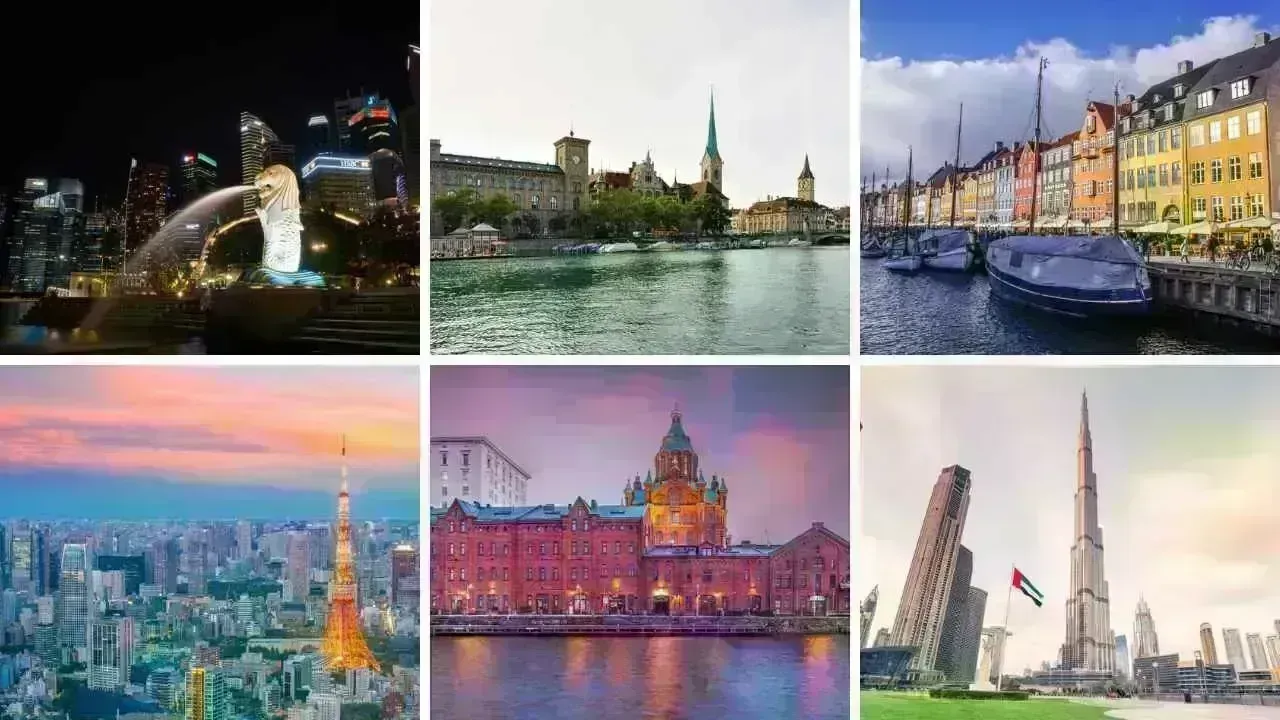
In an era where traffic congestion, pollution, and overcrowding plague many urban centers, the allure of clean cities is undeniable. Noteworthy examples like Singapore, Zurich, Copenhagen, Tokyo, Helsinki, and Dubai boast immaculate streets, fresh air, and well-organized public spaces, demonstrating that modern living can coexist with environmental cleanliness.
These cities not only impress tourists but also provide a superior quality of life for residents. Upon arrival, visitors often perceive an immediate difference—streets are quieter, public areas feel safer, and navigation becomes effortless. This article delves into the world's cleanest urban environments, highlighting their uniqueness, the impact of cleanliness on daily life, and the reasons they should be on every traveler's bucket list.
A Culture of Cleanliness
In destinations such as Singapore and Tokyo, cleanliness is ingrained in everyday actions. Locals uphold a strong belief in respecting public spaces by refraining from littering. Here, adherence to cleanliness stems not solely from regulations but reflects a collective mindset.
Residents utilize waste bins effectively, public transit remains tidy, and sidewalks are unobstructed. This commitment is nurtured through education, community engagement, and civic responsibility, ensuring that cities remain pristine.
Effective Urban Planning
Cities like Zurich and Copenhagen are renowned for their outstanding urban planning initiatives. Thoughtfully designed roadways, residential neighborhoods, markets, and parks aid in maintaining organization. Properly situated waste disposal units and well-functioning drainage systems contribute to adept traffic management.
These strategic measures proactively address issues, significantly reducing flooding, waste accumulation, and pollution, thus safeguarding public health and conserving resources.
Sustainable Public Transport
In places like Helsinki and Tokyo, public transportation is crucial for reducing emissions. Efficient buses, metros, and trains promote reduced car usage, resulting in diminished traffic congestion, lower noise levels, and improved air quality.
Transportation hubs are routinely maintained to enhance safety, cleanliness, and comfort for all users, reinforcing the importance of reliable public transport systems.
The Role of Green Spaces
Green fields and parks play a vital role in enhancing urban environments. In cities like Copenhagen and Helsinki, tree-lined streets and ample parks are integral to neighborhood layouts. These areas serve not only to beautify but also to improve air quality and provide relaxation.
Such green spaces make cities more appealing, especially for families and children, creating inviting atmospheres for all.
Leveraging Technology for Cleanliness
Innovative technology is increasingly utilized in cities to maintain cleanliness. In Singapore and Zurich, intelligent waste bins signal when they need emptying. Street-cleaning vehicles function during off-peak hours, and sensors monitor air quality.
Some urban centers even recycle water for street cleansing and irrigation, effectively preserving natural resources while enhancing living conditions.
Dubai’s Commitment to Cleanliness
Dubai is acknowledged as one of the cleanest cities in the Middle East, with roads, beaches, parks, and public locations undergoing frequent cleaning and scrutiny. The commitment to cleanliness is evident across both tourist attractions and residential areas.
Through innovative waste management systems, community initiatives, and stringent anti-littering regulations, Dubai upholds high cleanliness standards, showcasing how rapid urban development can align with environmental responsibility.
The Allure of Clean Cities
For travelers, the impression a city leaves is often dictated by its cleanliness. Locations such as Singapore, Zurich, and Dubai exude safety, tranquility, and hospitality. Strolling through these cities offers a pleasant experience, with appealing public areas inviting exploration.
Tourists can immerse themselves in local cuisine, culture, shopping, and sightseeing, all while feeling secure regarding hygiene and air quality. Such environments foster repeat visits.
Lessons from Clean Cities
The primary takeaway from these exemplary cities is that cleanliness isn’t merely a financial consideration. It results from thoughtful planning, effective leadership, and community collaboration. Even minor initiatives—like routine cleaning efforts, public education, and mutual respect for shared areas—can drive significant improvements.
When public agencies and citizens unite, urban spaces evolve into enhanced living environments.
Here are the world’s cleanest cities—Singapore, Zurich, Copenhagen, Tokyo, Helsinki, and Dubai—each deserving a visit at least once. These urban centers offer not just tidy streets, but a better quality of life.
They exemplify that a clean environment is essential, not a luxury. For future urban life, cleanliness remains a fundamental requisite.
Disclaimer
This article serves solely as a means of general information and public awareness. The cities mentioned are cited as examples based on observable cleanliness standards, public behaviors, and widely reported conditions. Cleanliness levels may fluctuate over time due to development, population dynamics, environmental changes, or policy updates. The perspectives articulated herein do not officially rank, score, or assess cities, nor are they intended to endorse or criticize any location. Readers should refer to local agencies, official city websites, or government sources for the most current and accurate information.


 English